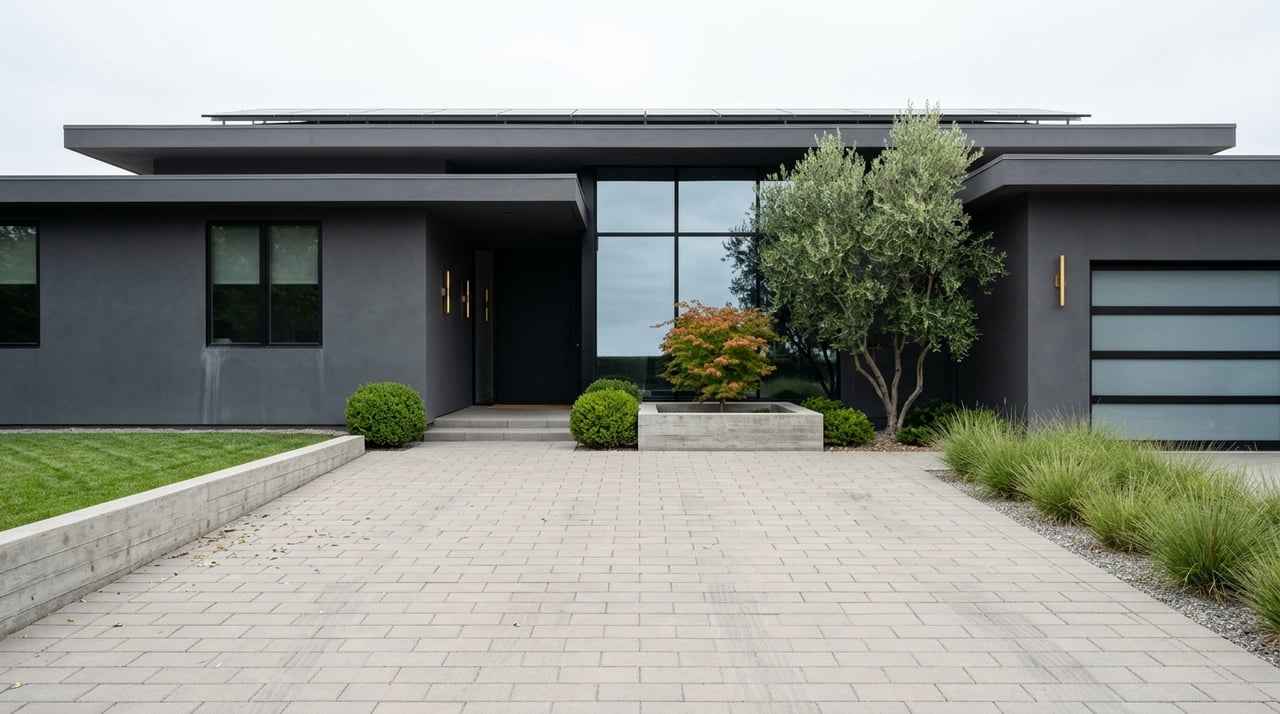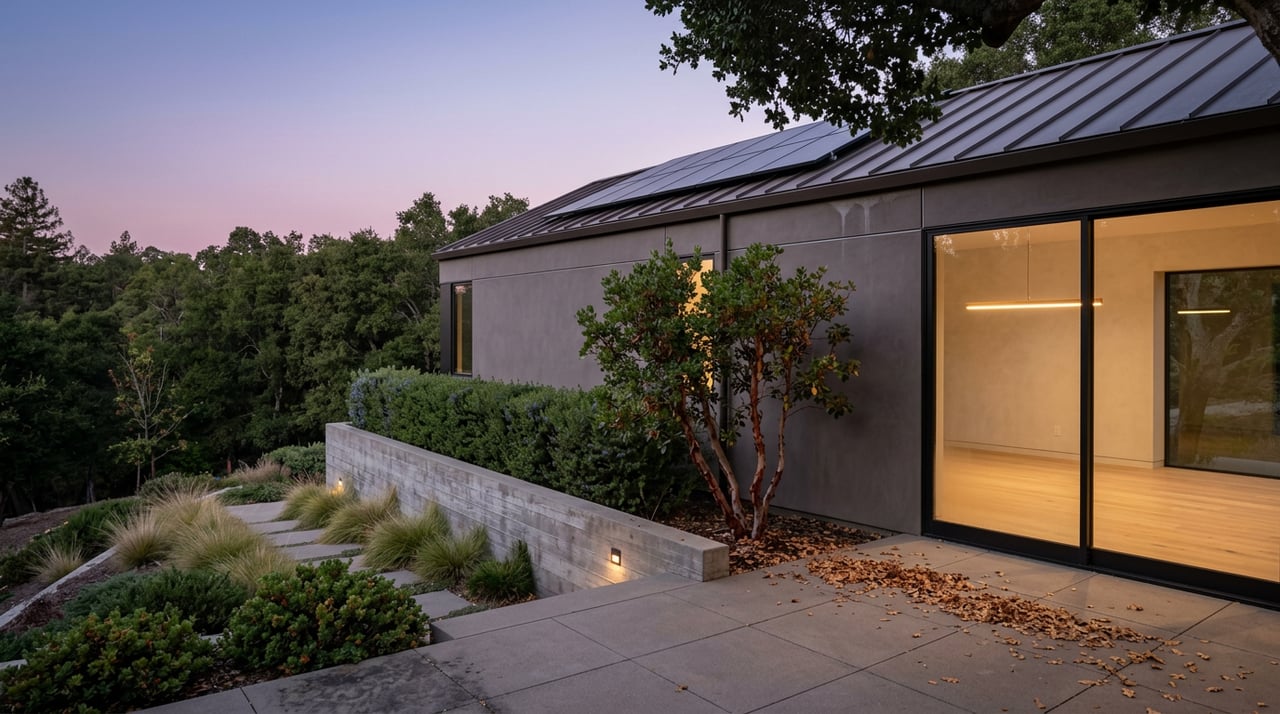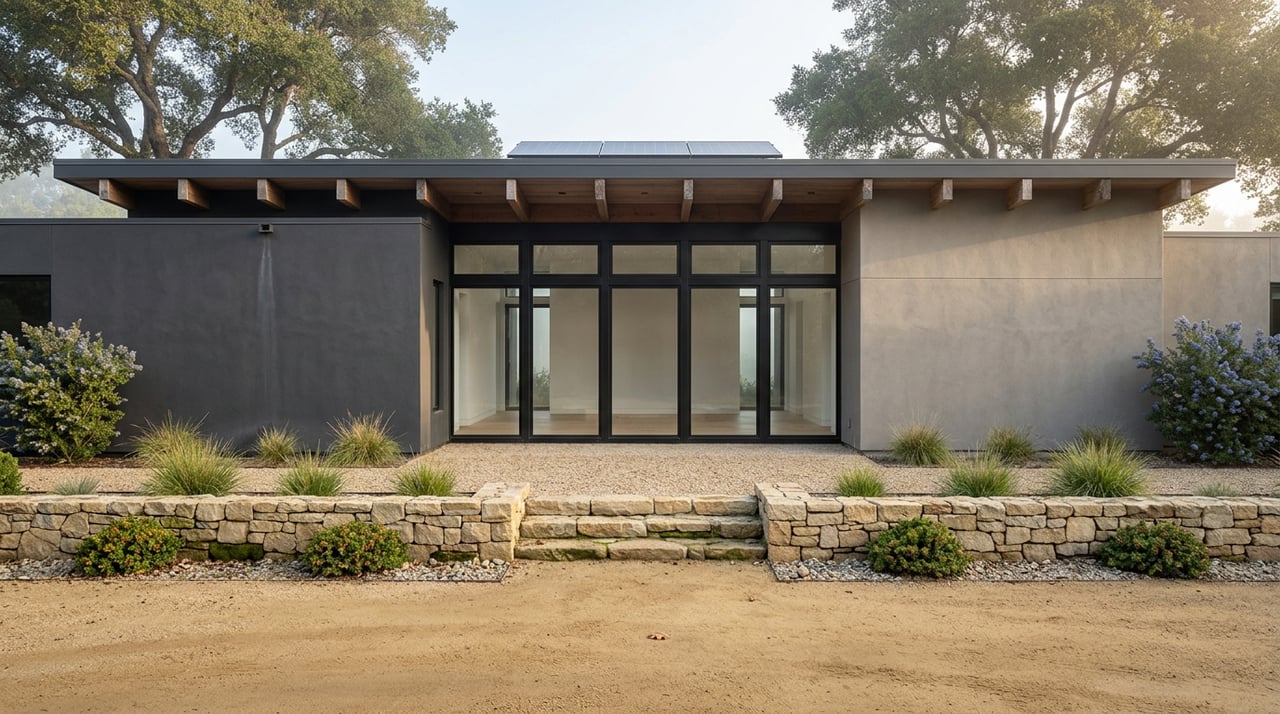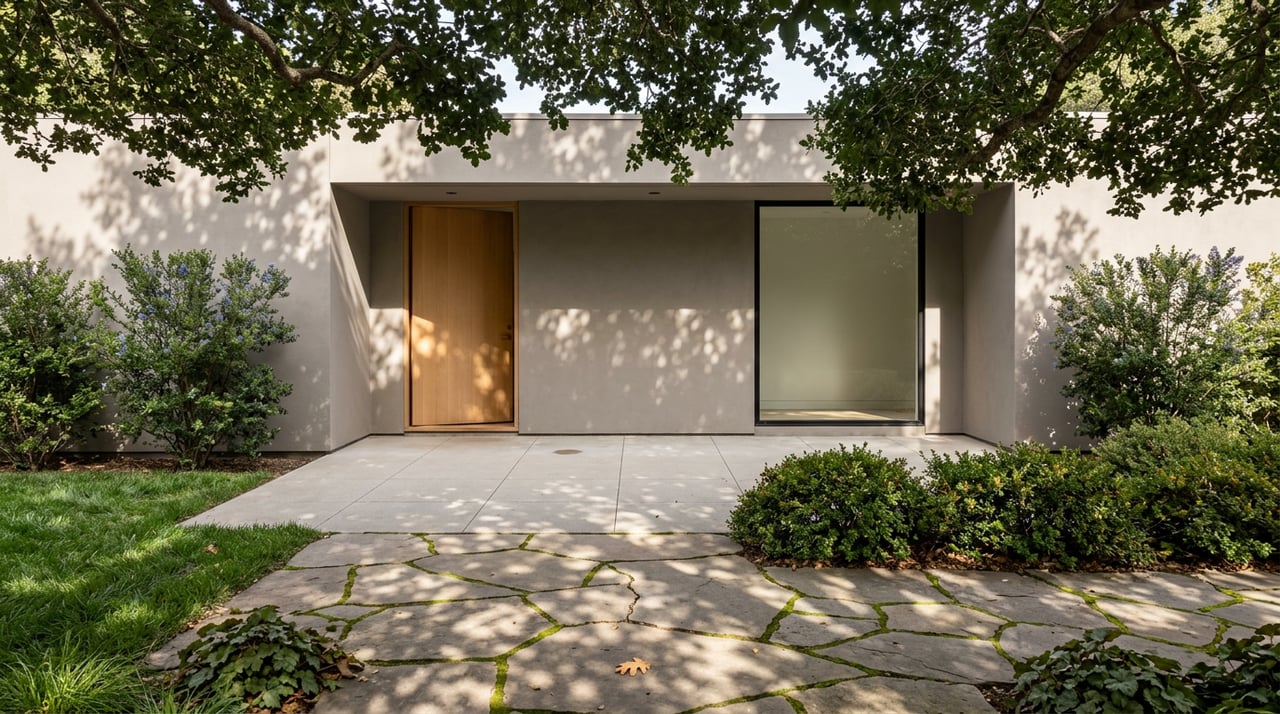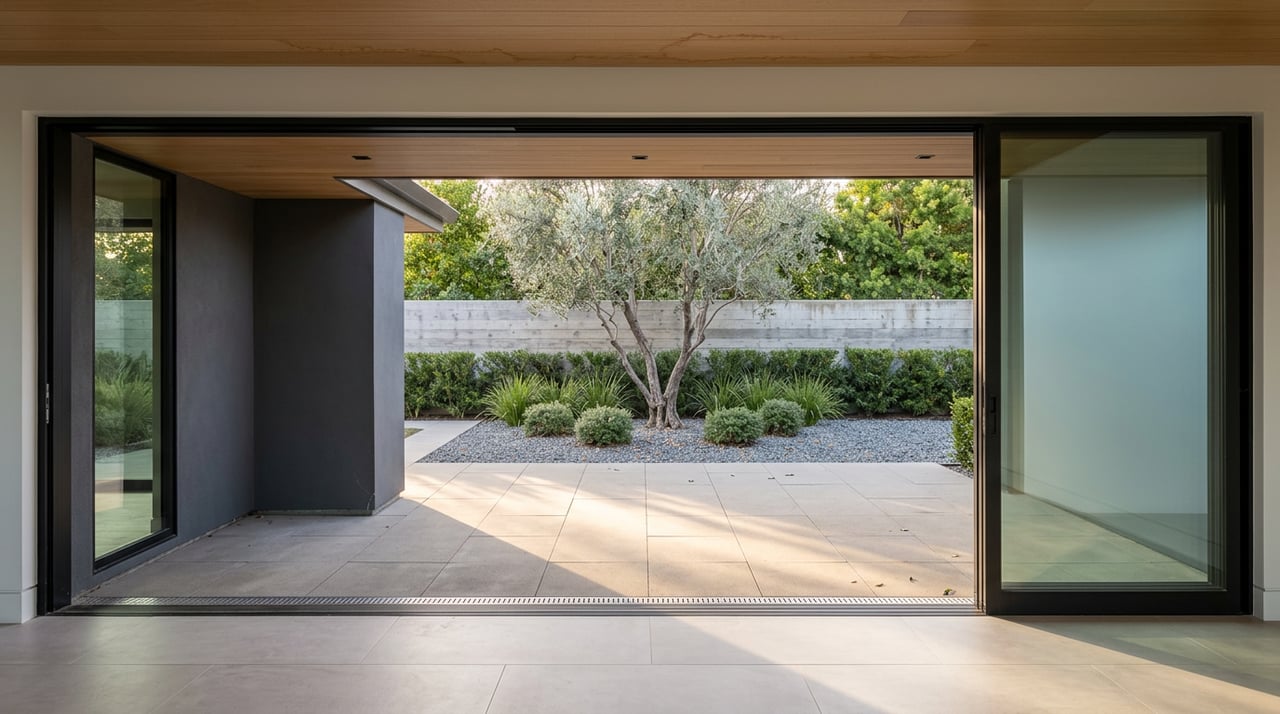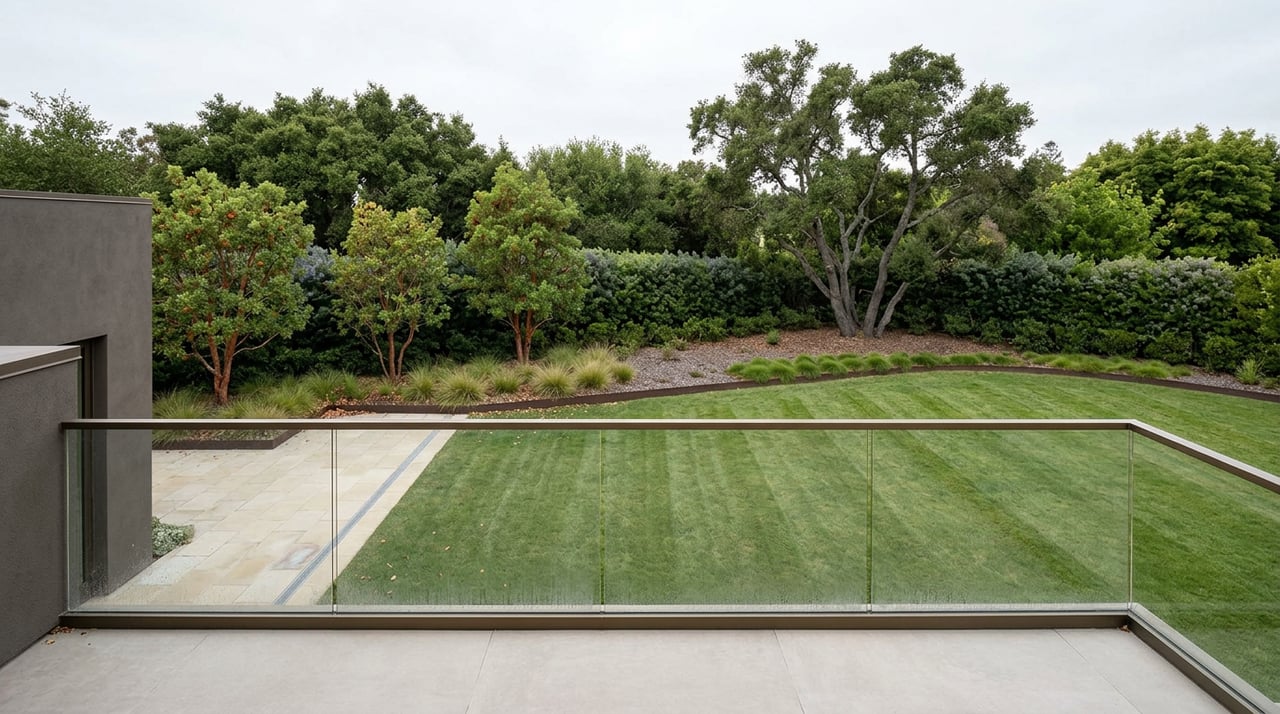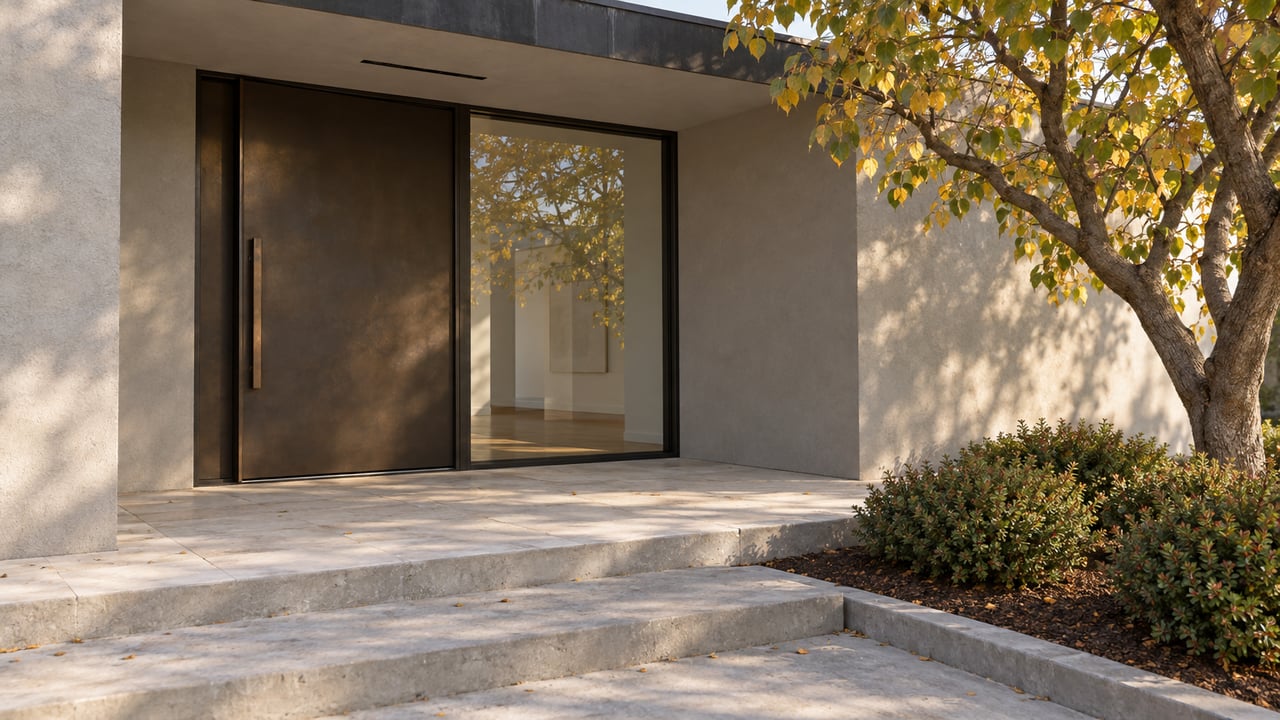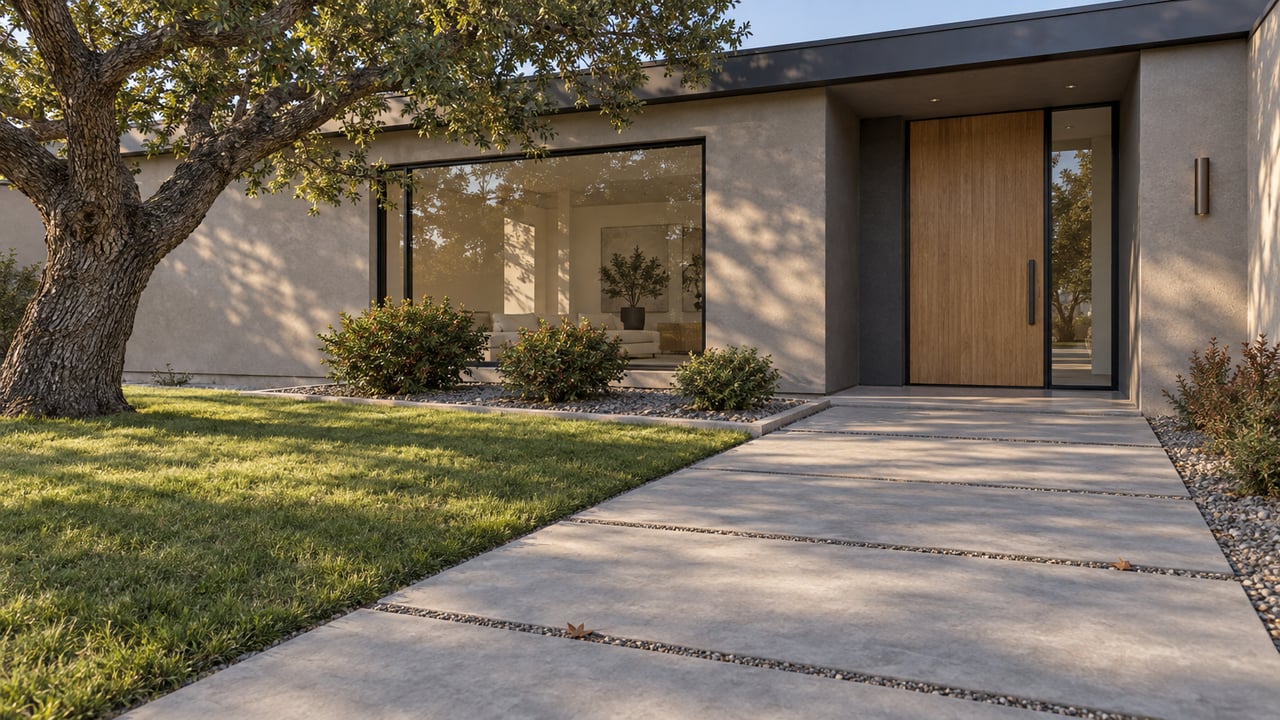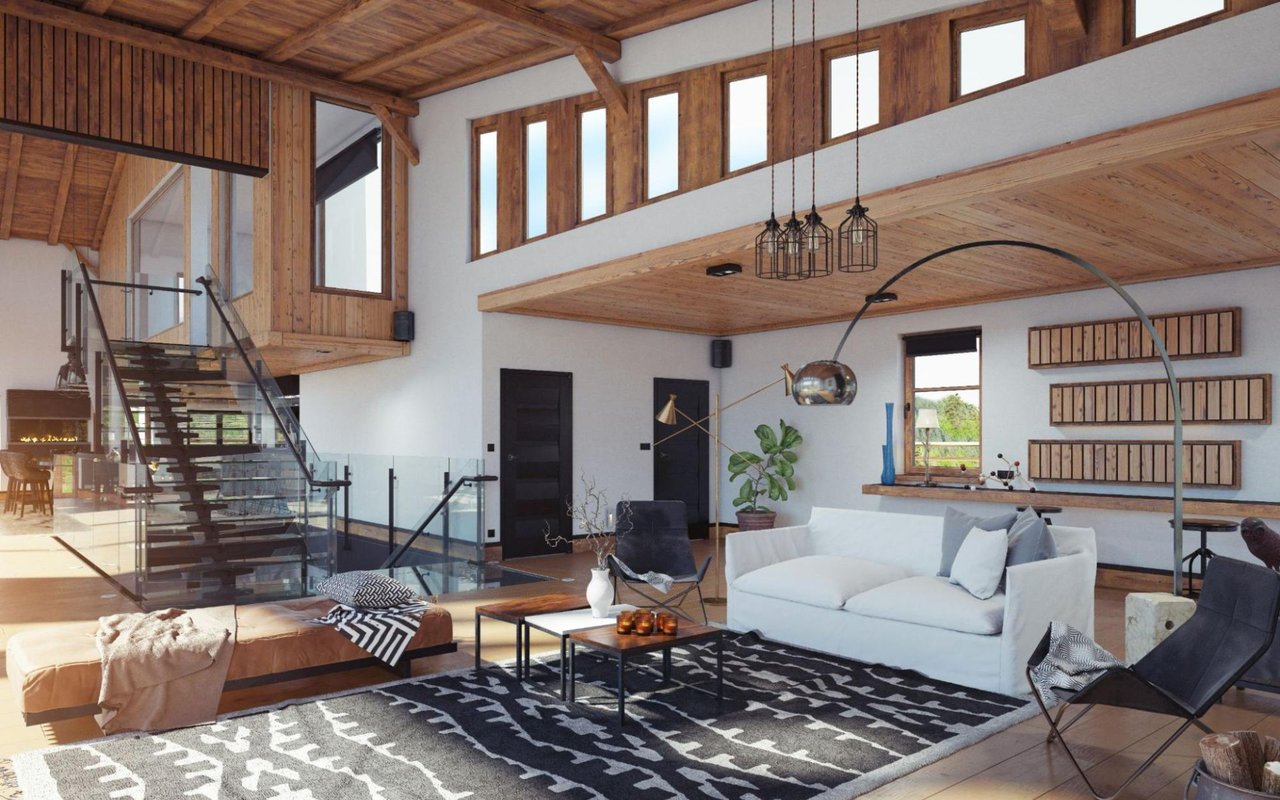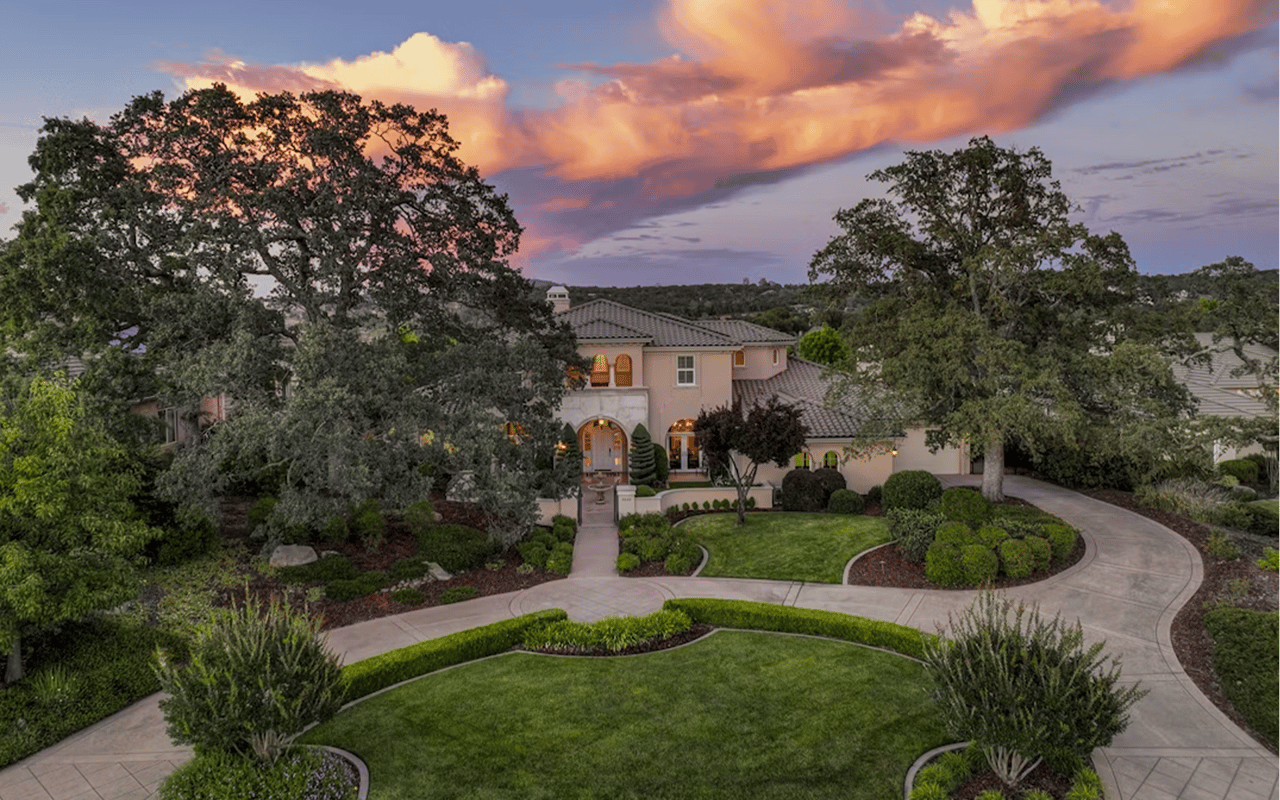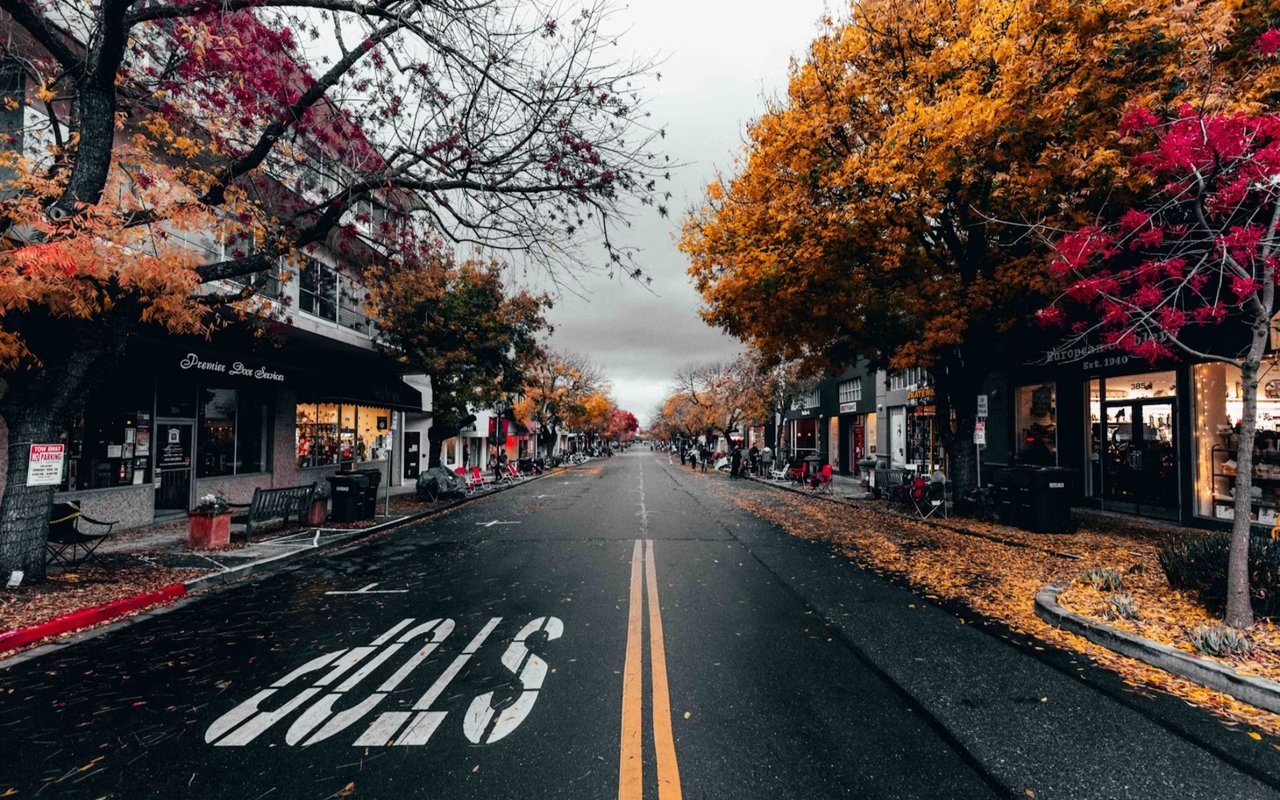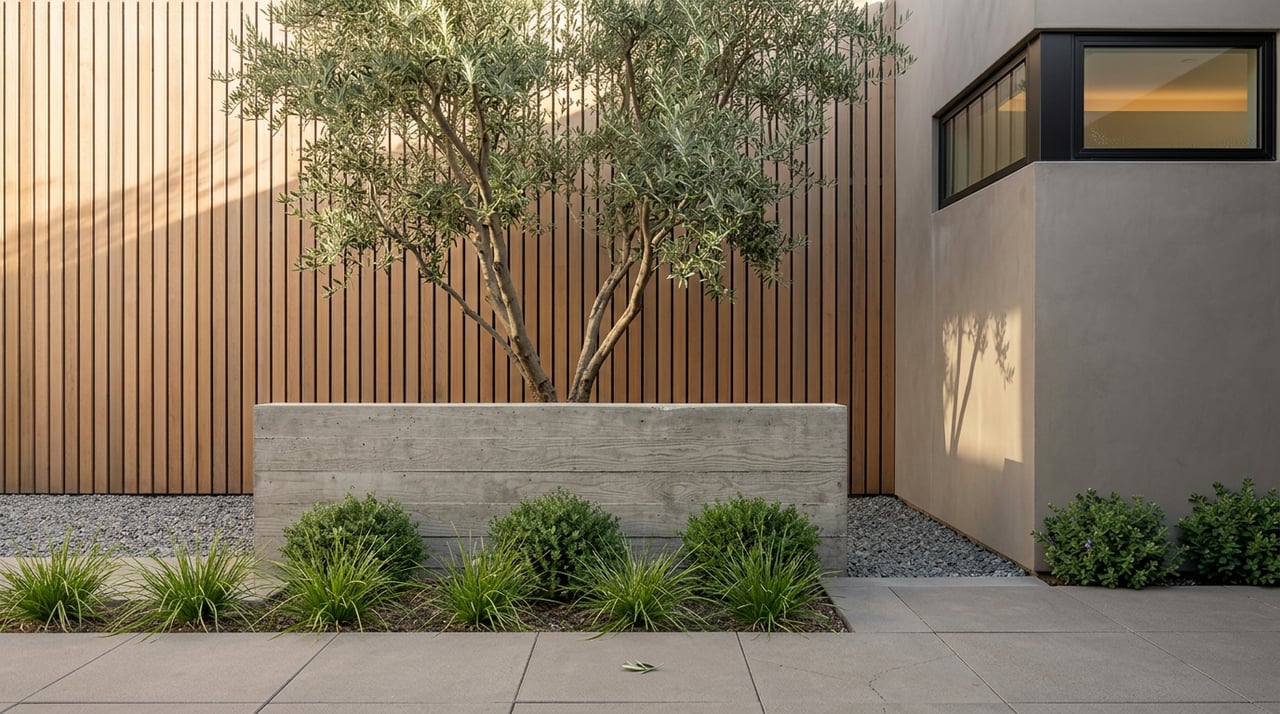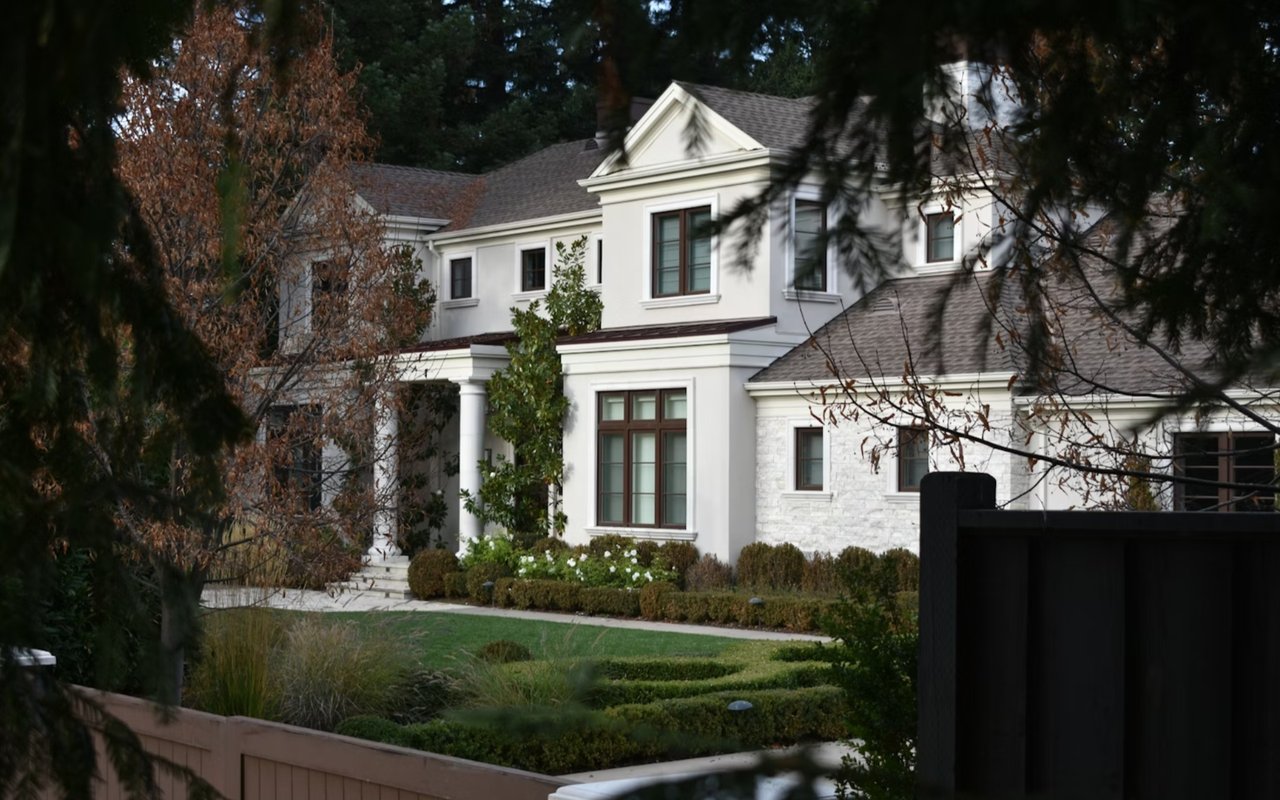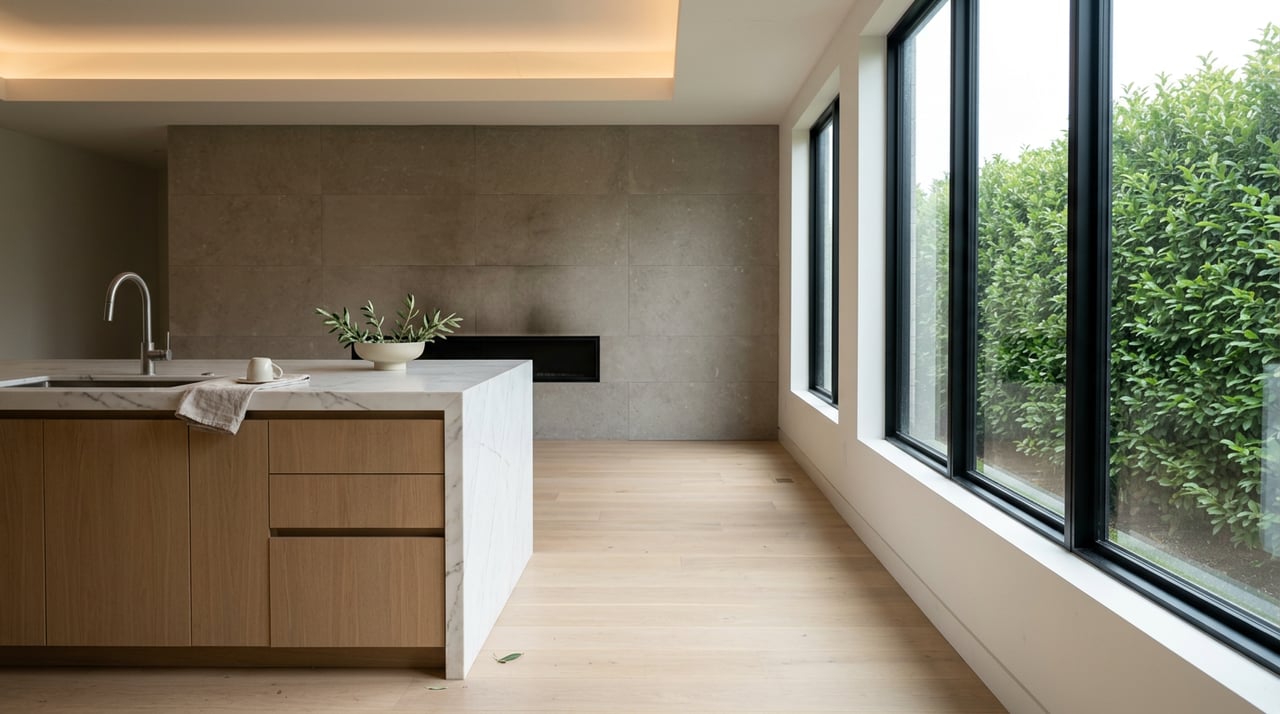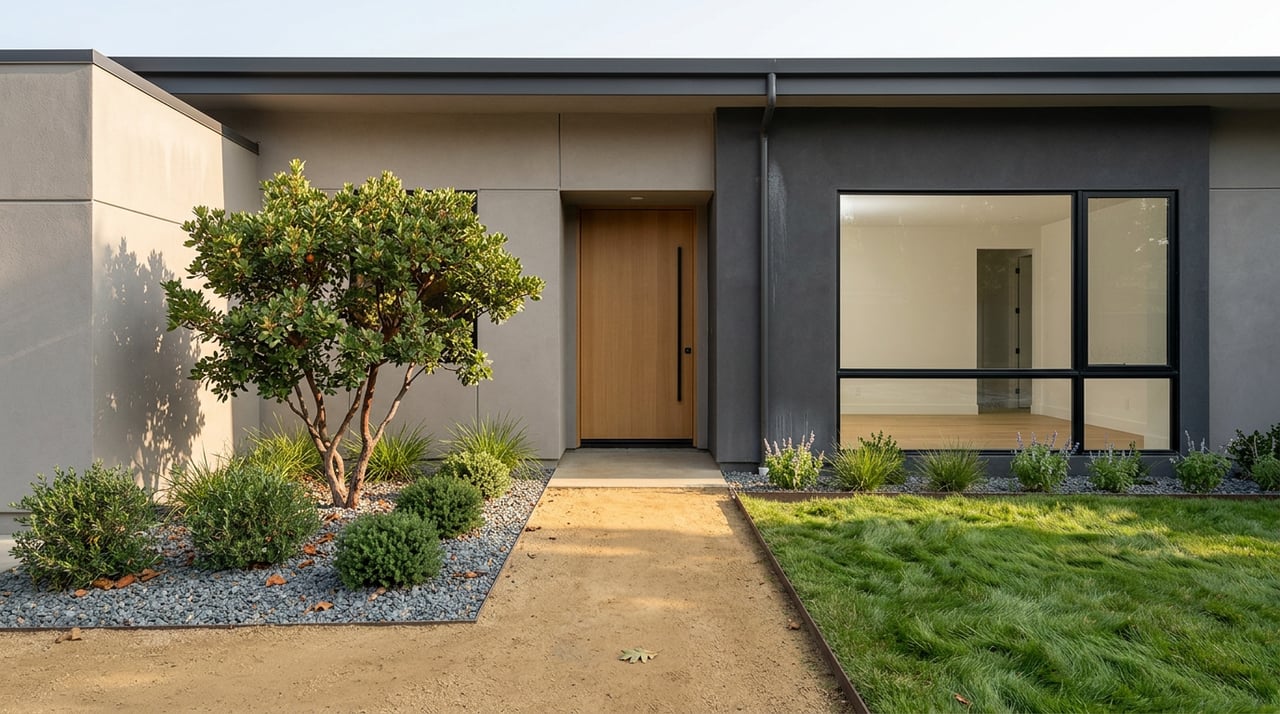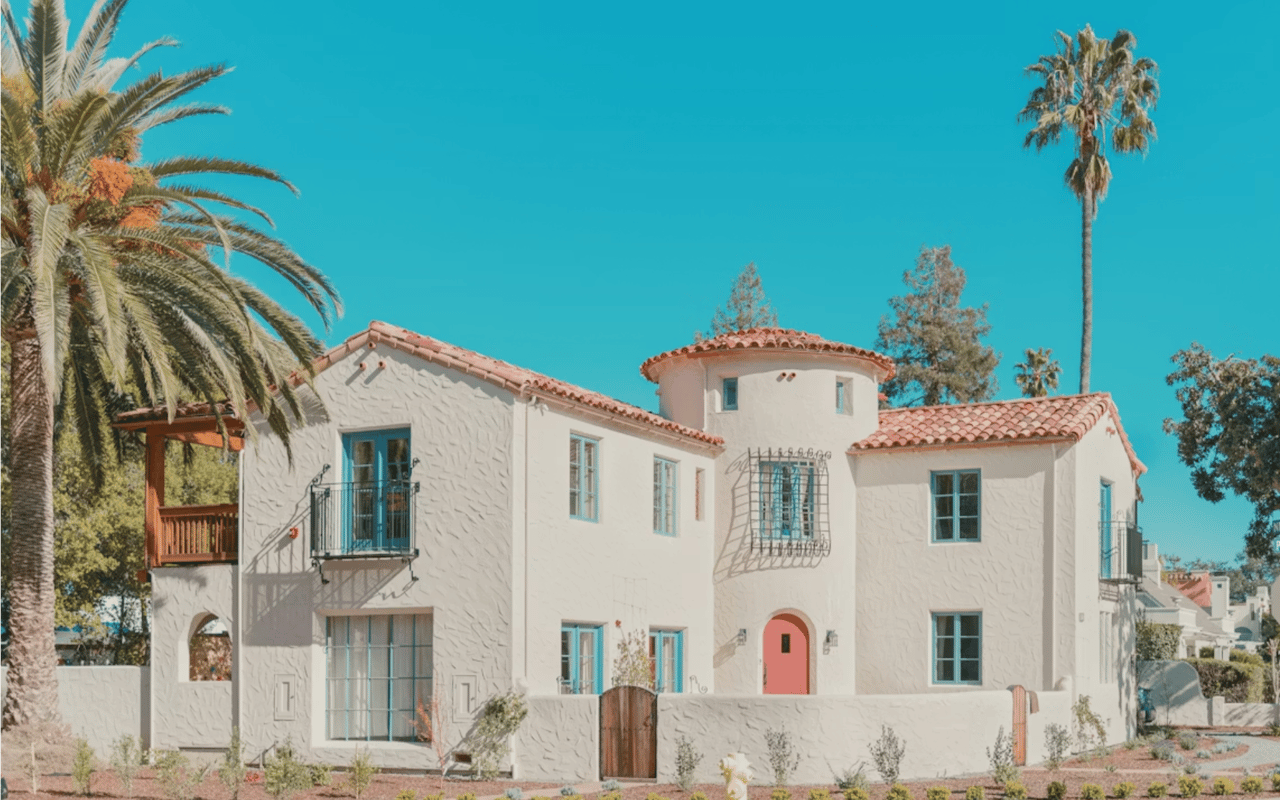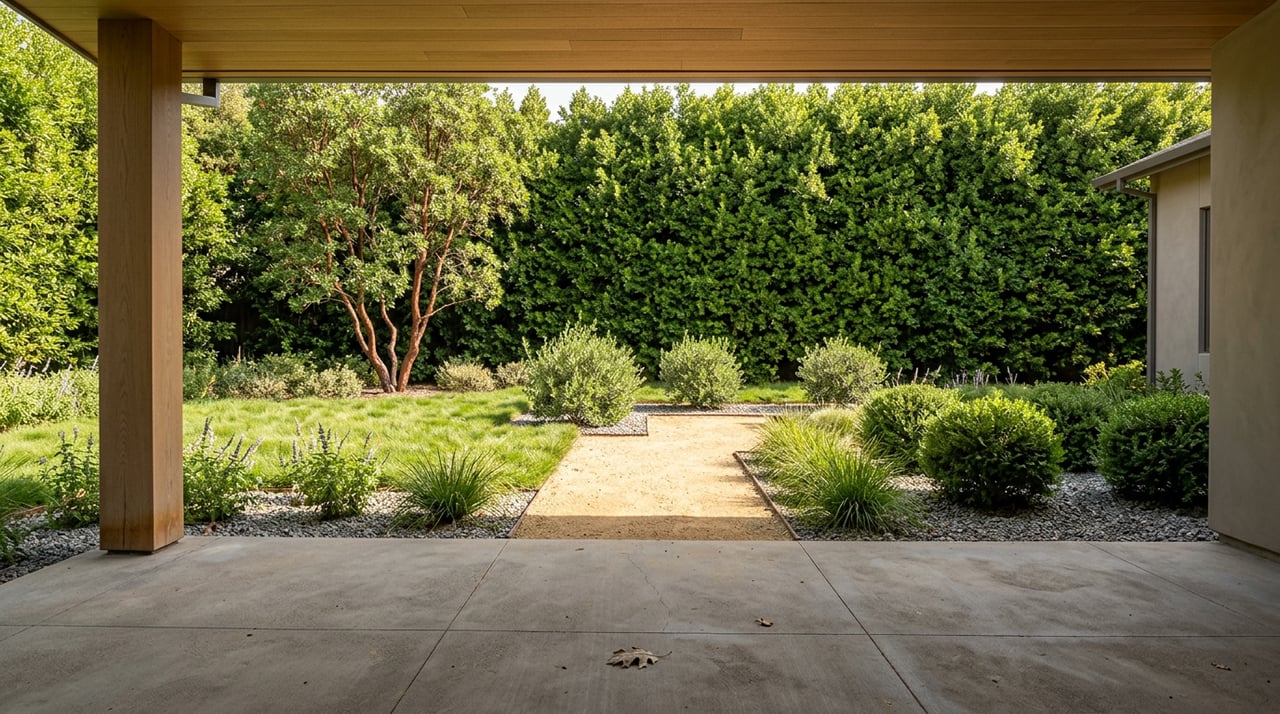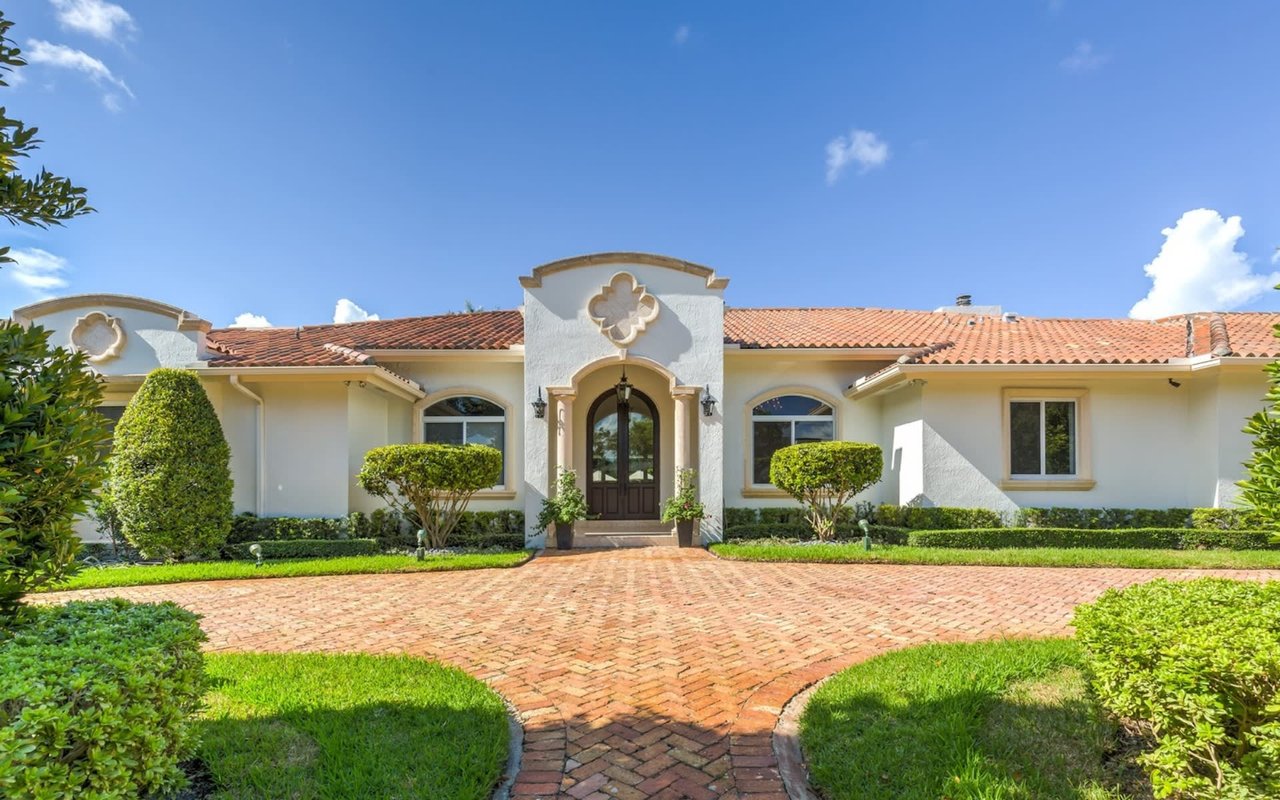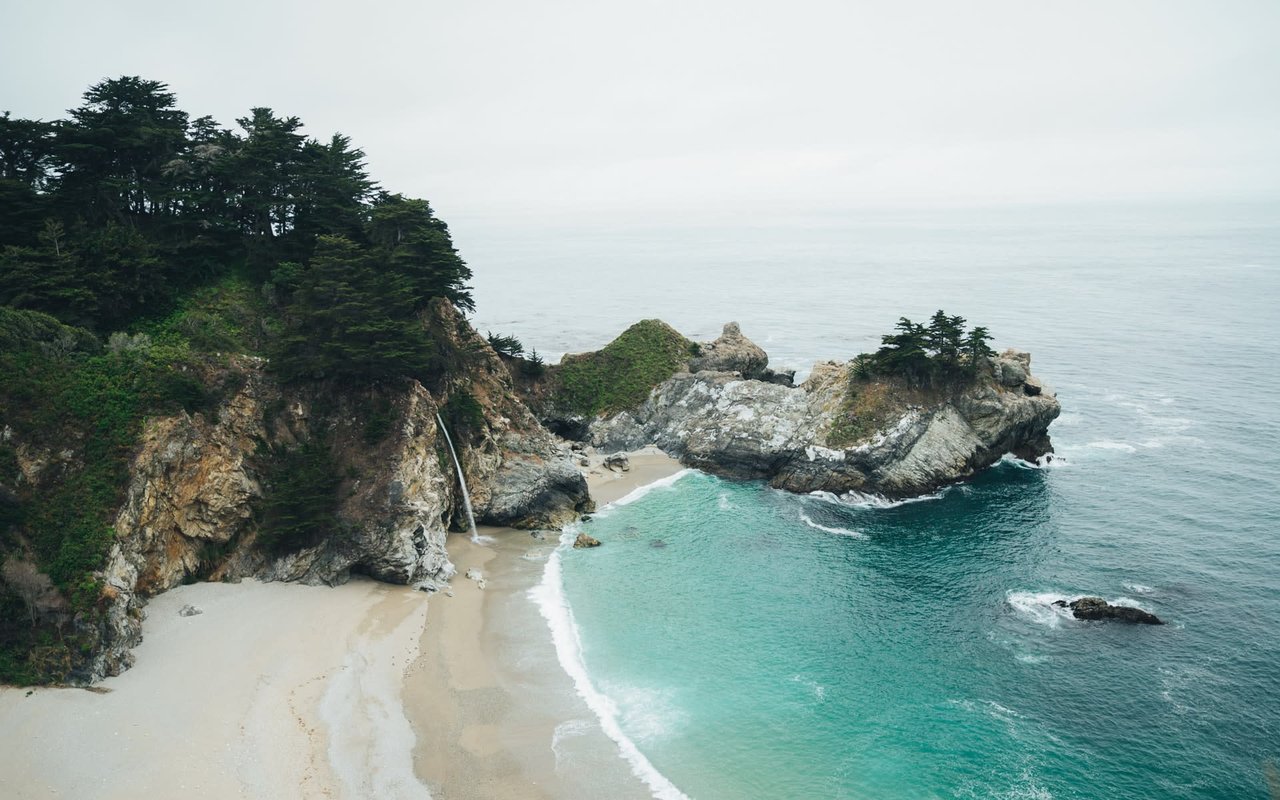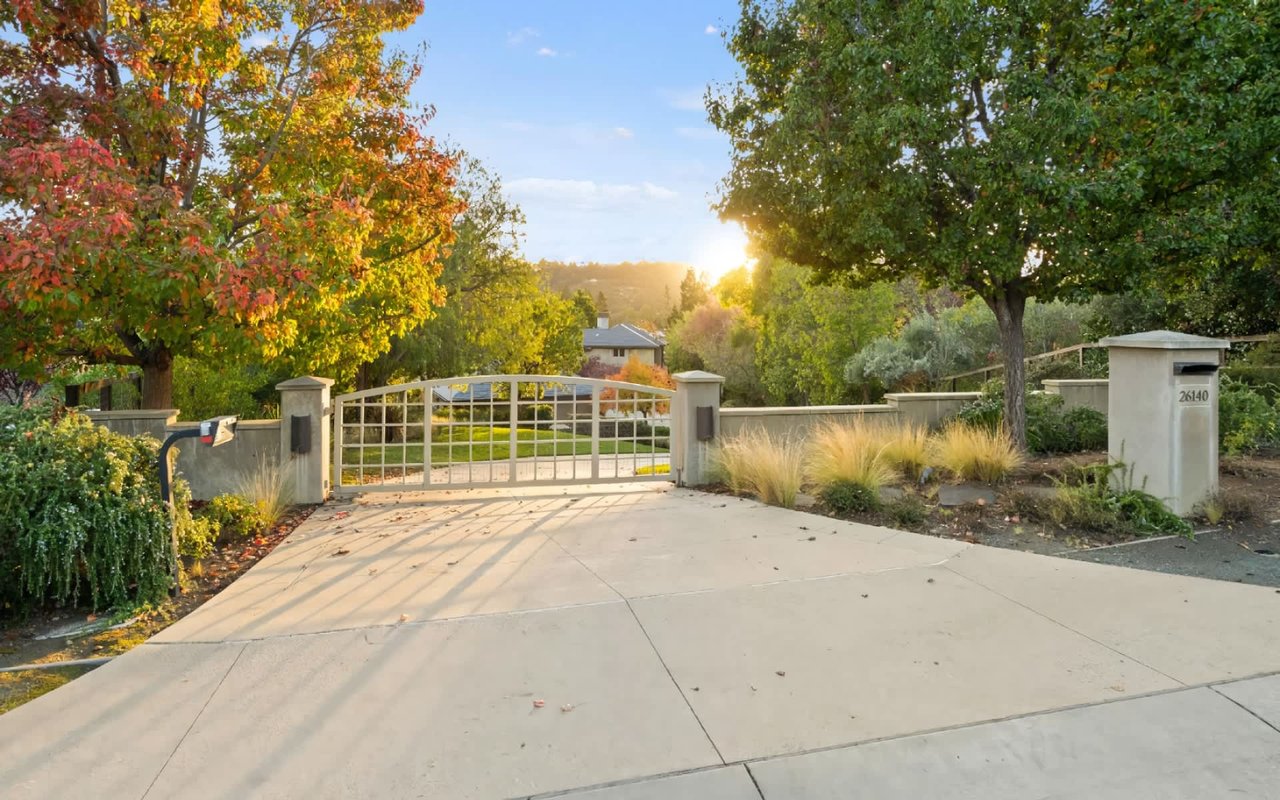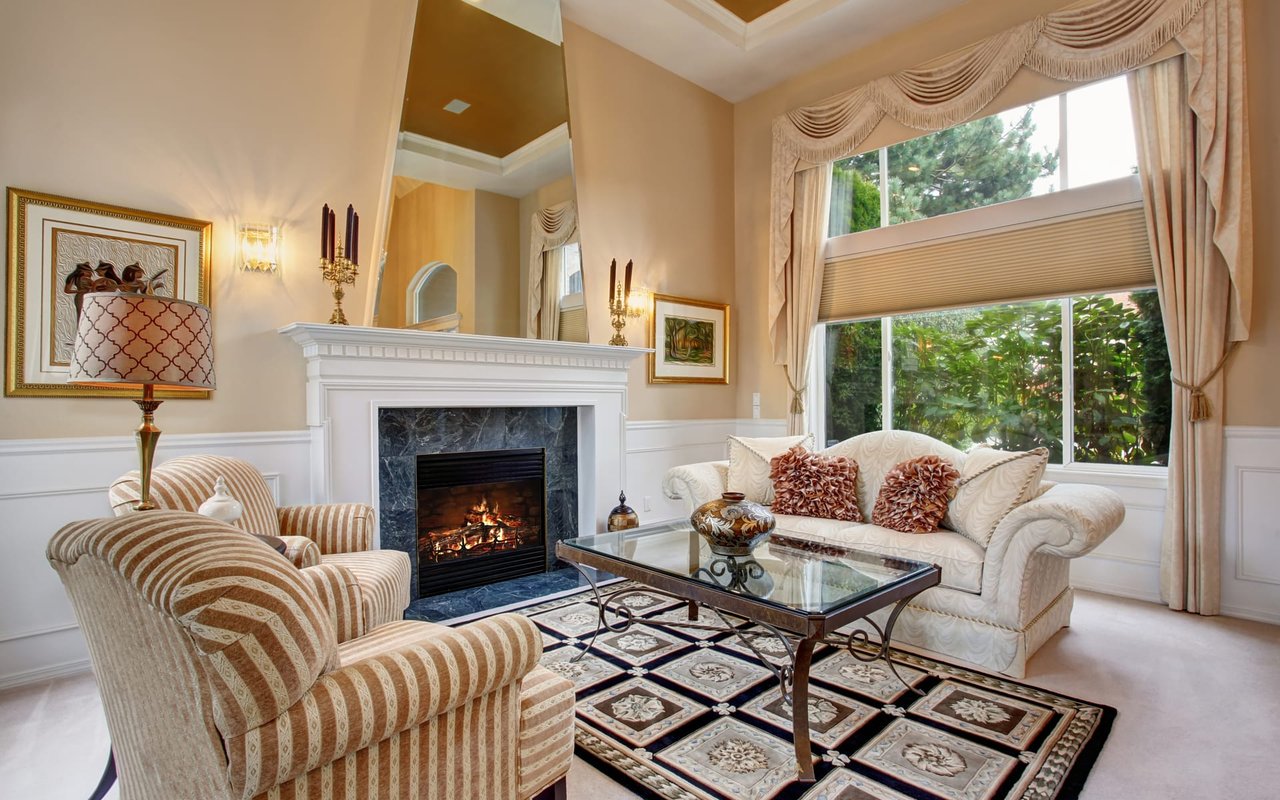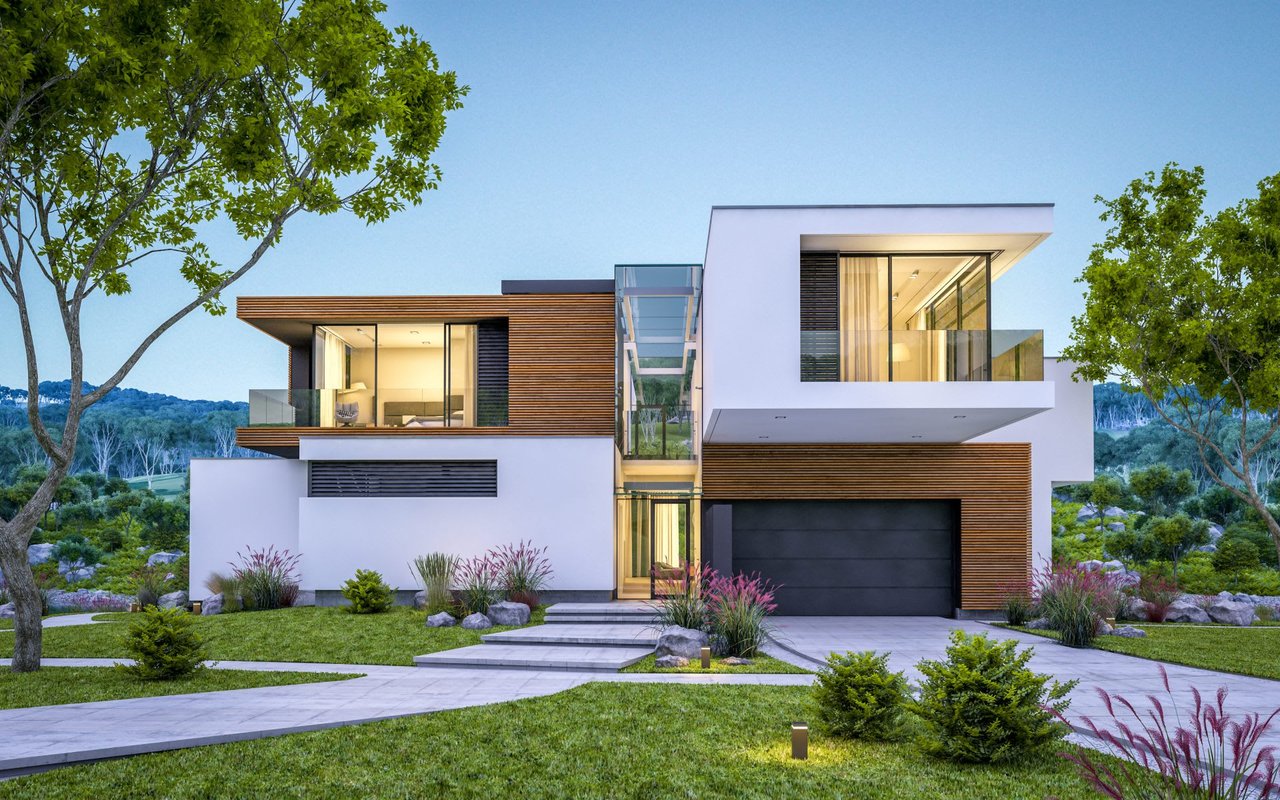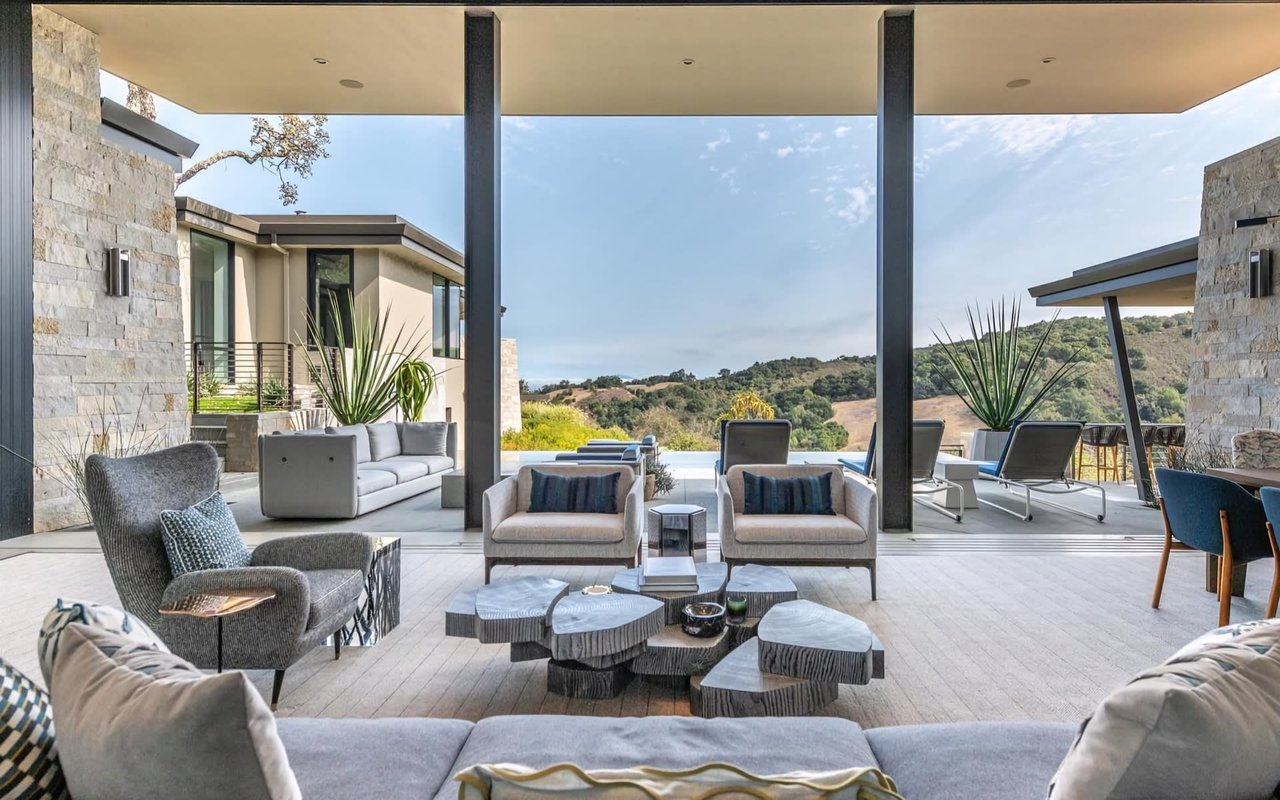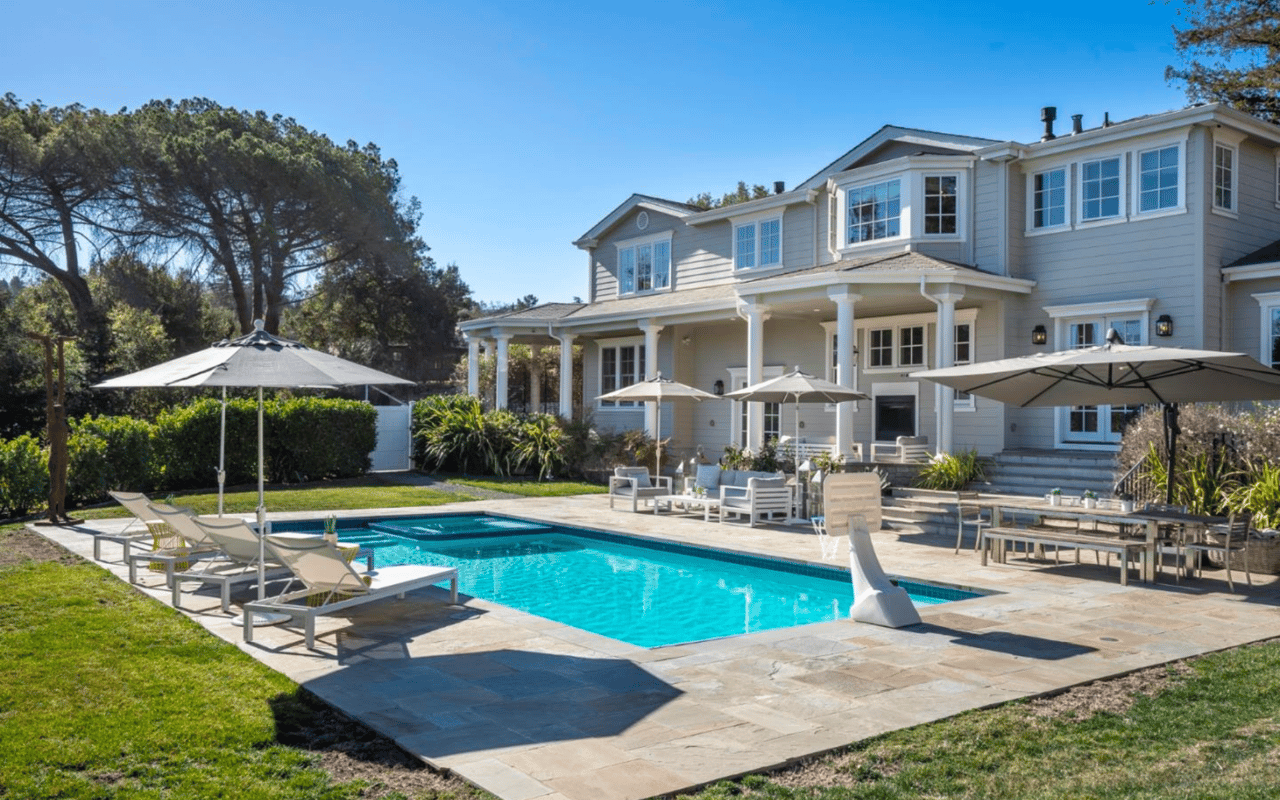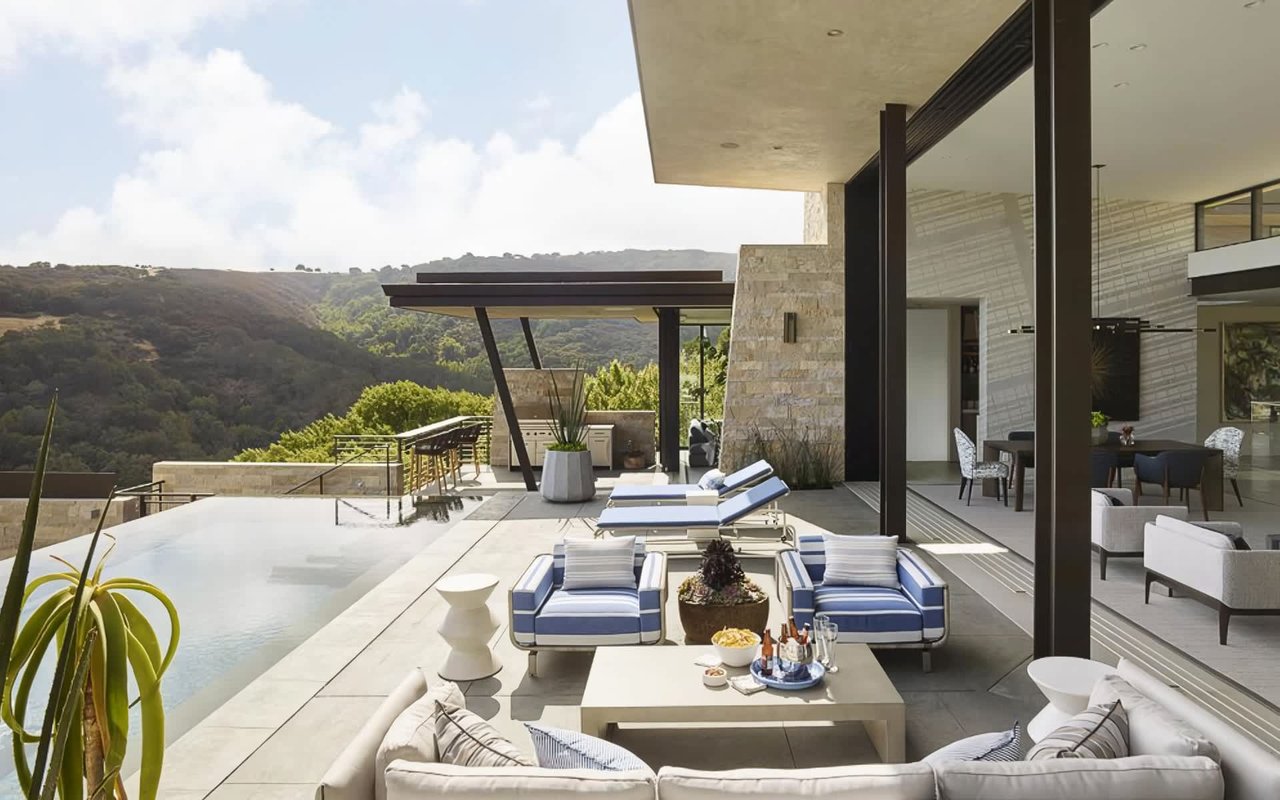
If you are drawn to the idea of room to breathe, places to ride, and a home that feels more like a private landscape than a standard residential lot, Woodside stands apart. This is a town where open space, low-density planning, and equestrian traditions are part of daily life, not just part of the marketing language. If you are exploring estate property, horse-friendly land, or a long-term lifestyle move on the Peninsula, Woodside offers a very specific kind of setting. Let’s take a closer look.
Why Woodside Feels Different
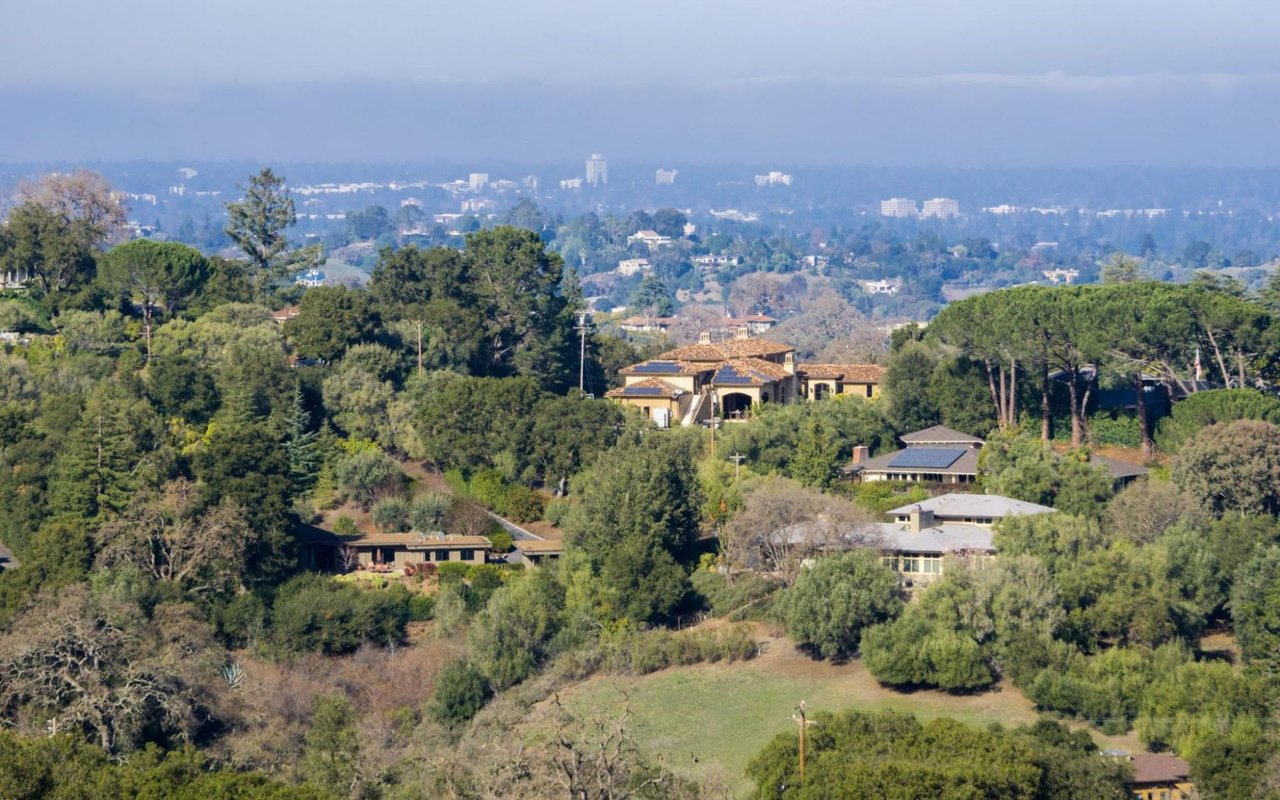
Woodside’s identity is rooted in land. The Town’s planning documents describe a place shaped by large open-space tracts, large institutional holdings, and primarily low-density residential development. That framework helps explain why Woodside feels distinct from the more urban communities to the east.
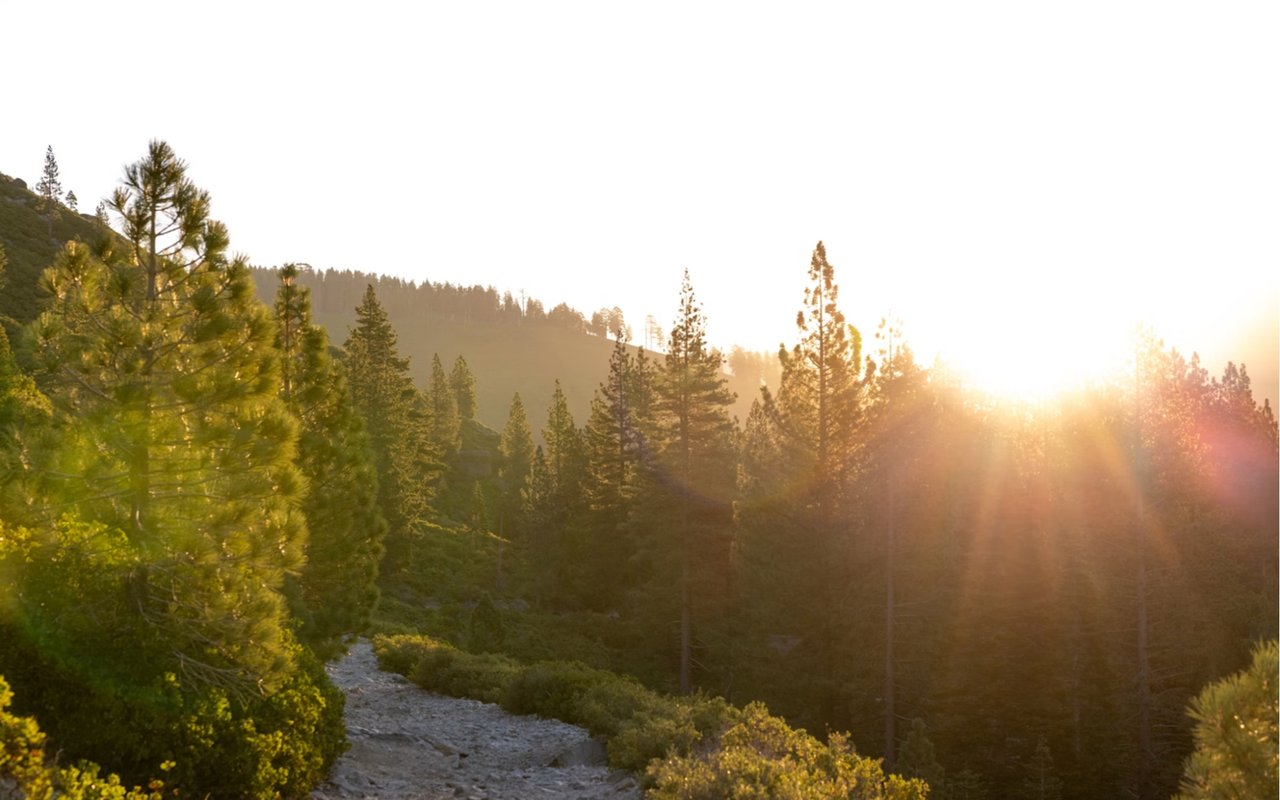
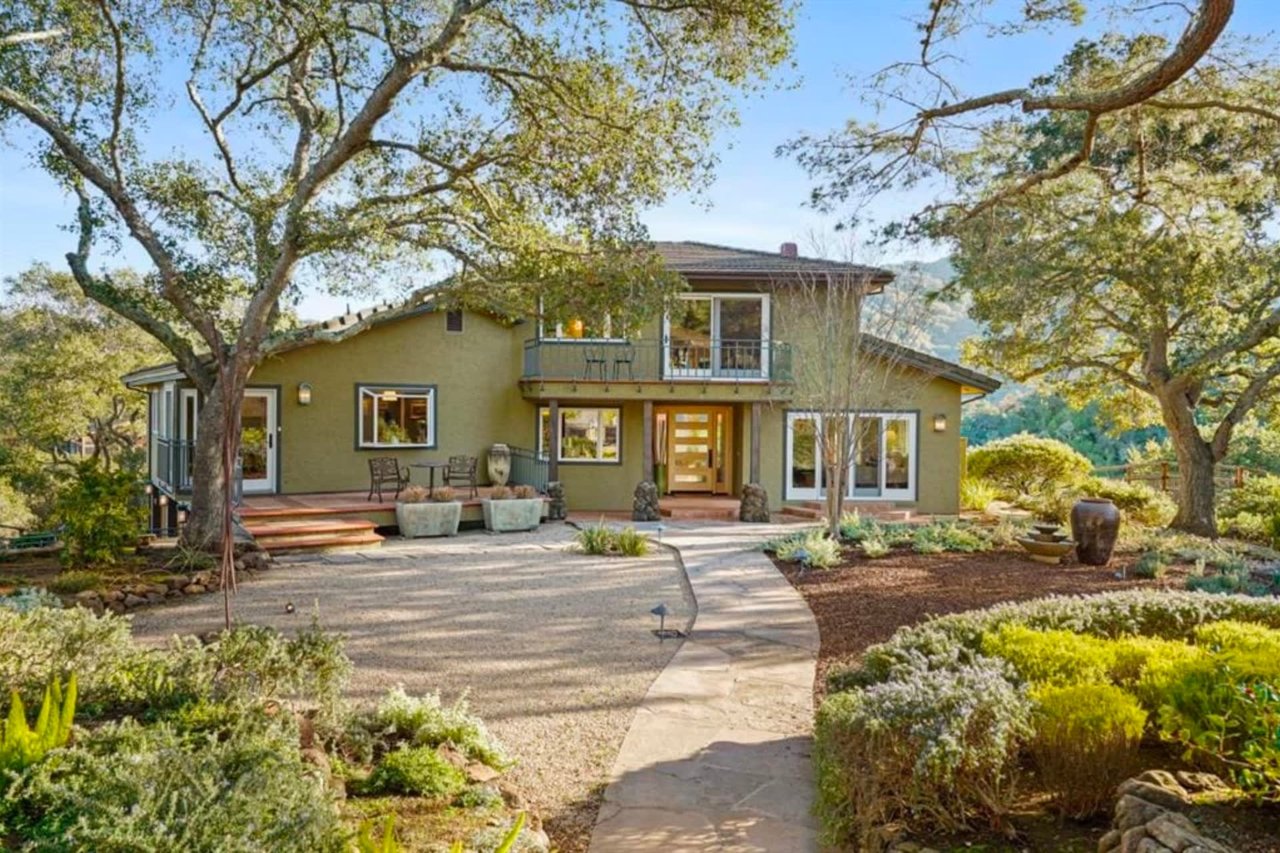
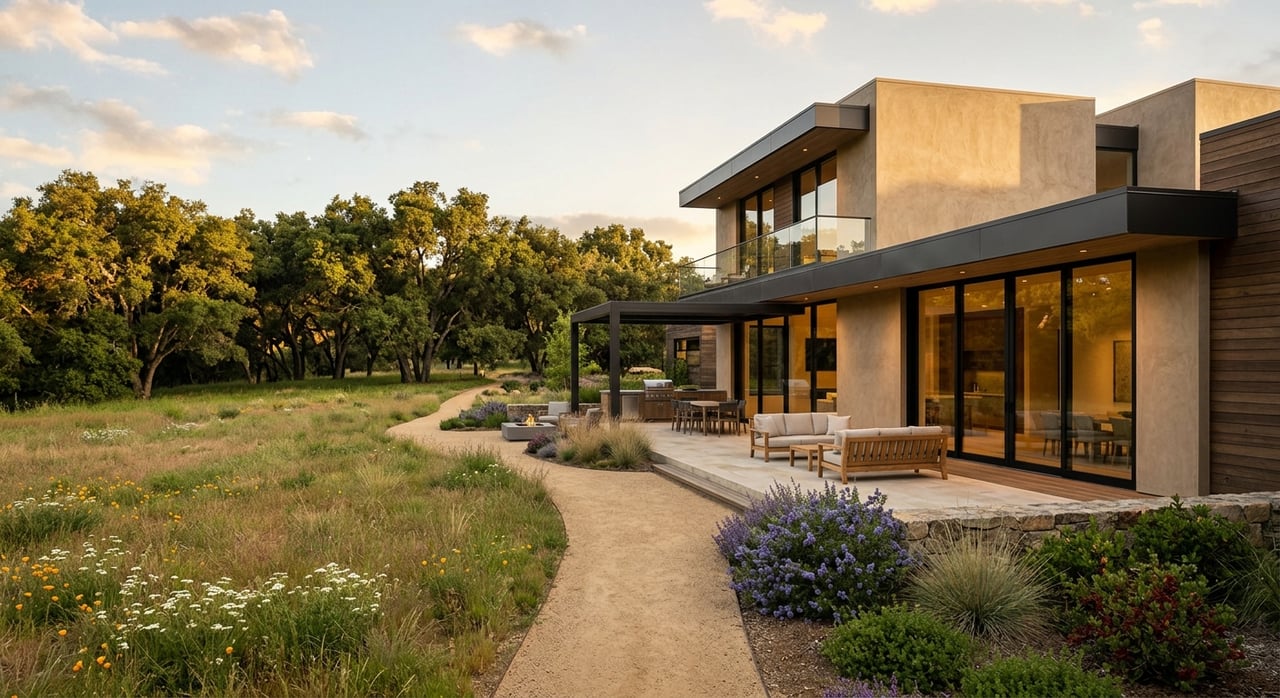
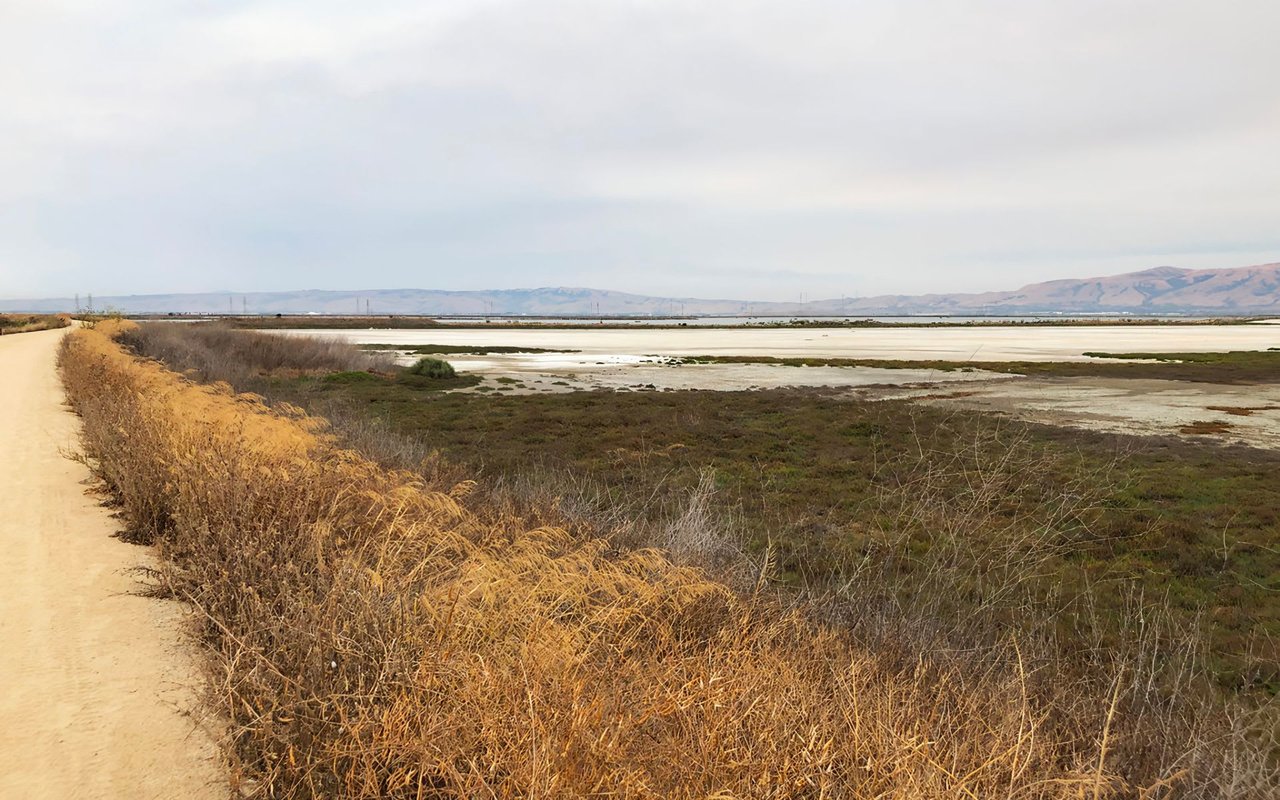
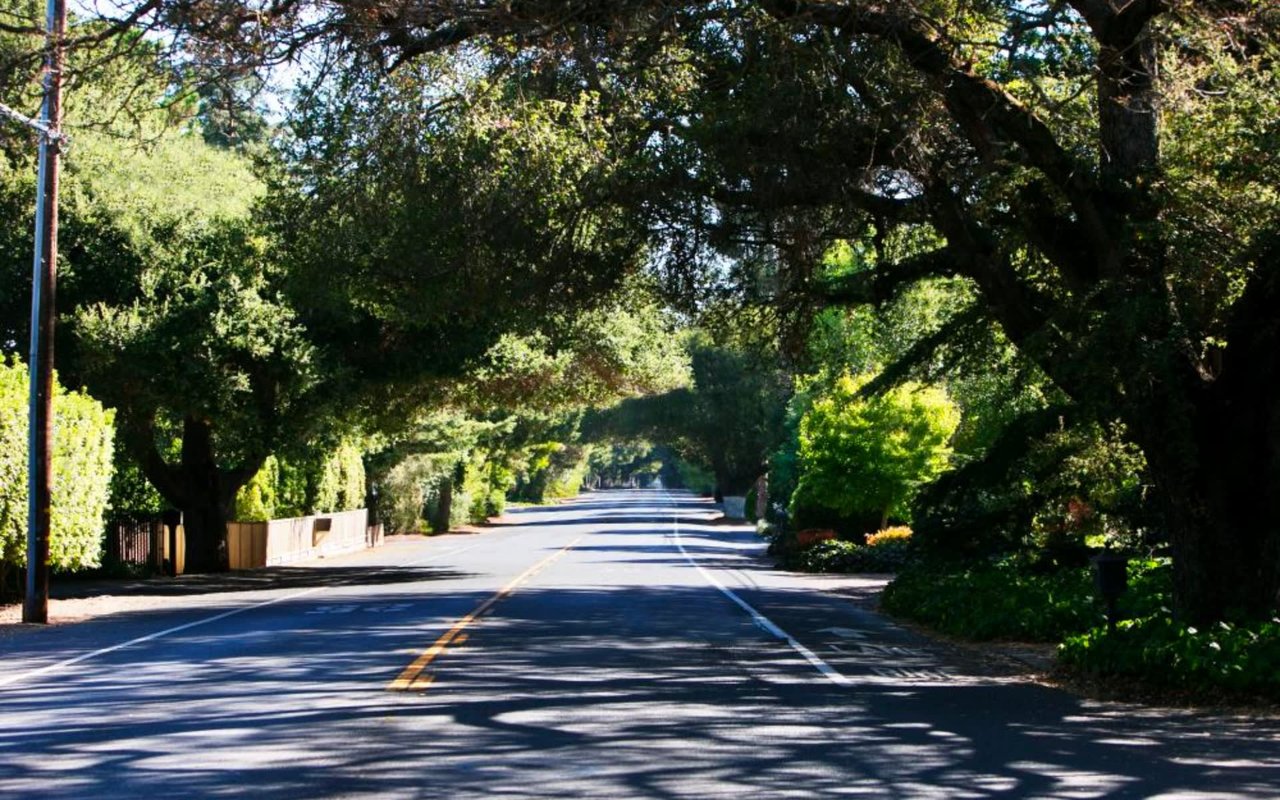
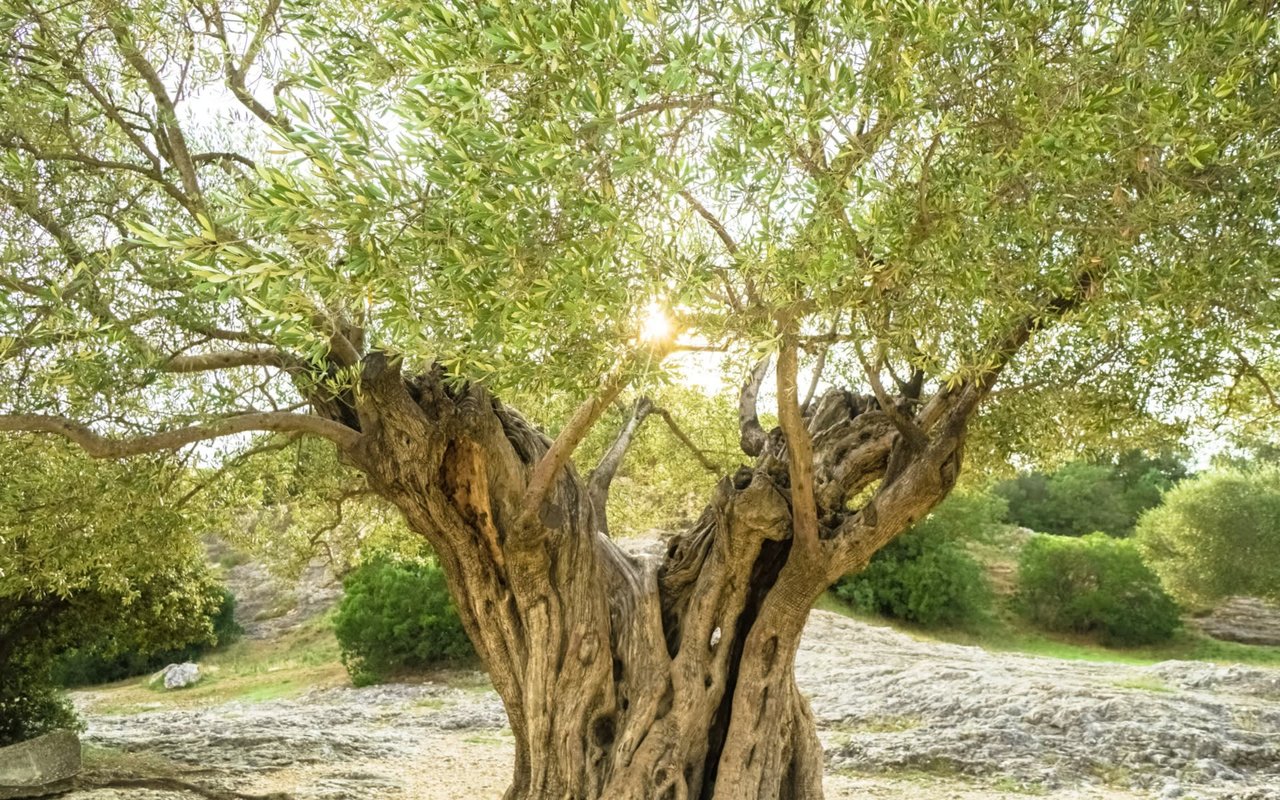
The setting is also deeply natural. Town materials reference forests, meadows, hillsides, ravines, wooded mountainsides, oak-studded hills, streamside areas, and private backyard habitats. In practical terms, that means many properties are experienced as part of a broader landscape, not just as houses on lots.
Woodside’s rural character is also reinforced by preserved land. The planning area includes 867 acres of Midpeninsula Regional Open Space District land, along with 1,916 acres across Huddart and Wunderlich Park. For buyers, that creates a rare balance of privacy, scenery, and long-term preservation.
Equestrian Living Is Built In
In Woodside, equestrian living is not a niche feature. The Town’s Circulation Element says its equestrian trail system is unique within the Bay Area and supports both local circulation and recreation while contributing to the town’s rural character. That matters if you want more than a barn on paper and are looking for a place where horse use is part of the local framework.
The trail system includes several trail types, including roadside trails, dedicated trails, permissive trails, and limited-use trails. The Town also states that equestrian trails should provide reasonable access to riding trails from lots where horses could be kept. This creates a stronger connection between private property use and the broader equestrian network.
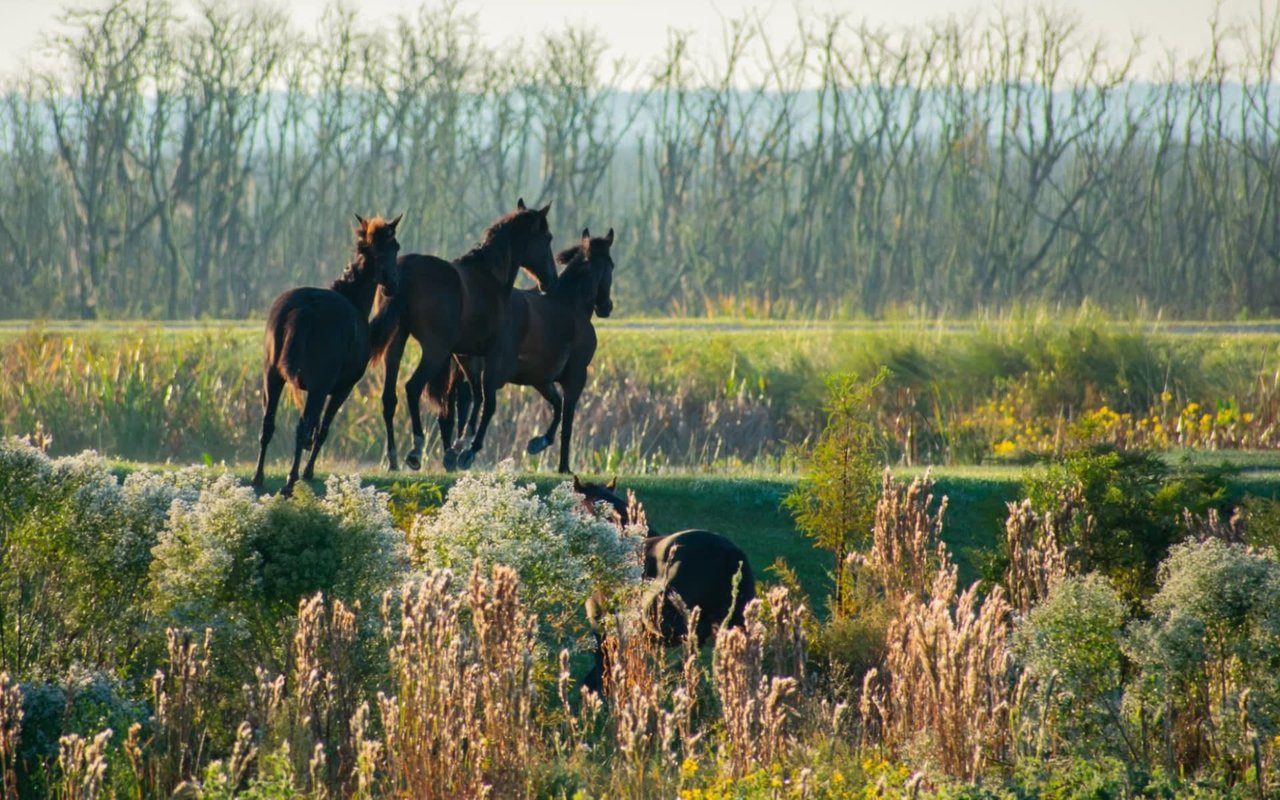
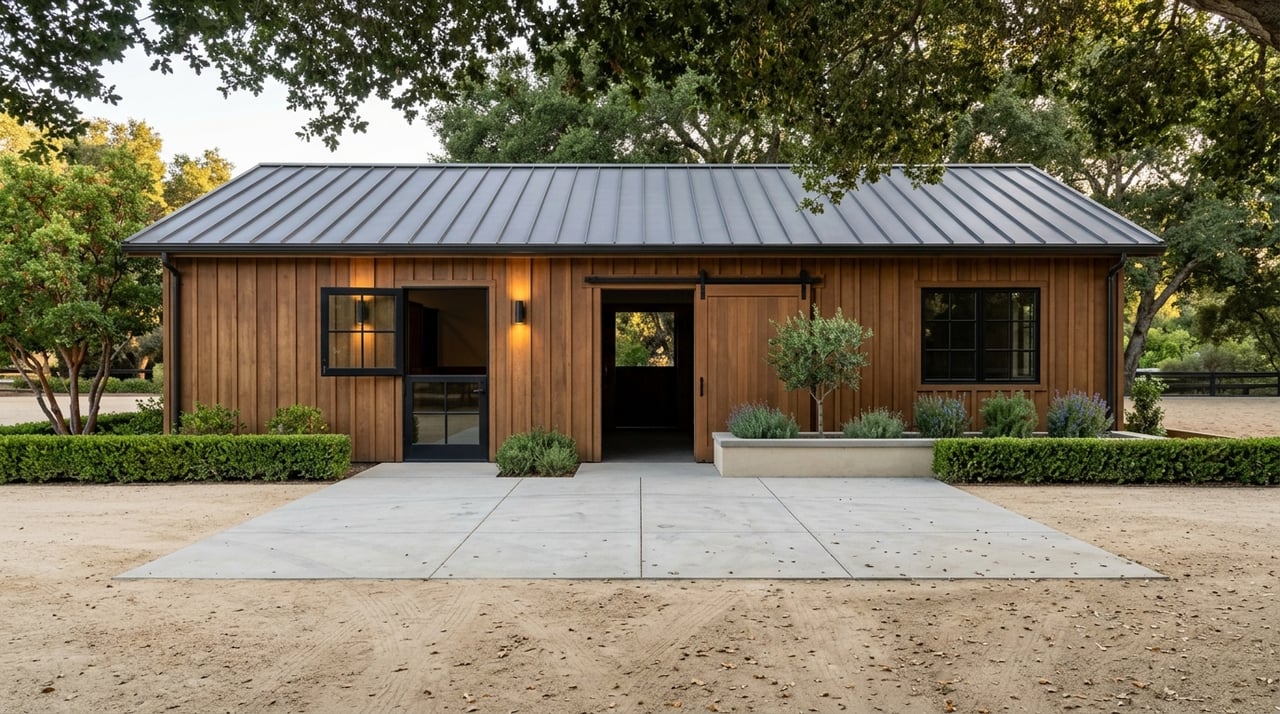
Woodside also actively supports horse culture through facilities, events, and organizations. Town planning documents reference barns, hitching posts, equestrian events, and local groups such as Day of the Horse and WHOA! The Horse Park at Woodside further adds to that ecosystem with educational, recreational, and competitive equestrian opportunities.
What Horse Owners Should Know
Many Woodside residents keep horses or own property that may be suitable for horses. Still, horse keeping is regulated, and that is an important part of buying wisely here. If you are considering an equestrian property, it helps to understand the local process early.
The Town requires a Stable Permit for both commercial and private use. No horse may be kept for more than 30 consecutive days without that permit, and the process includes an inspection by the Livestock and Equine Heritage Committee. The Town also promotes permit incentives for keeping horses, including streamlined permits for barns and corrals.
That combination tells you something important about Woodside. The town supports equestrian use, but it also manages it carefully. For buyers, that means the right property is not just about acreage, but also about how the parcel, structures, and permits fit together.
Large Lots Shape The Luxury Market
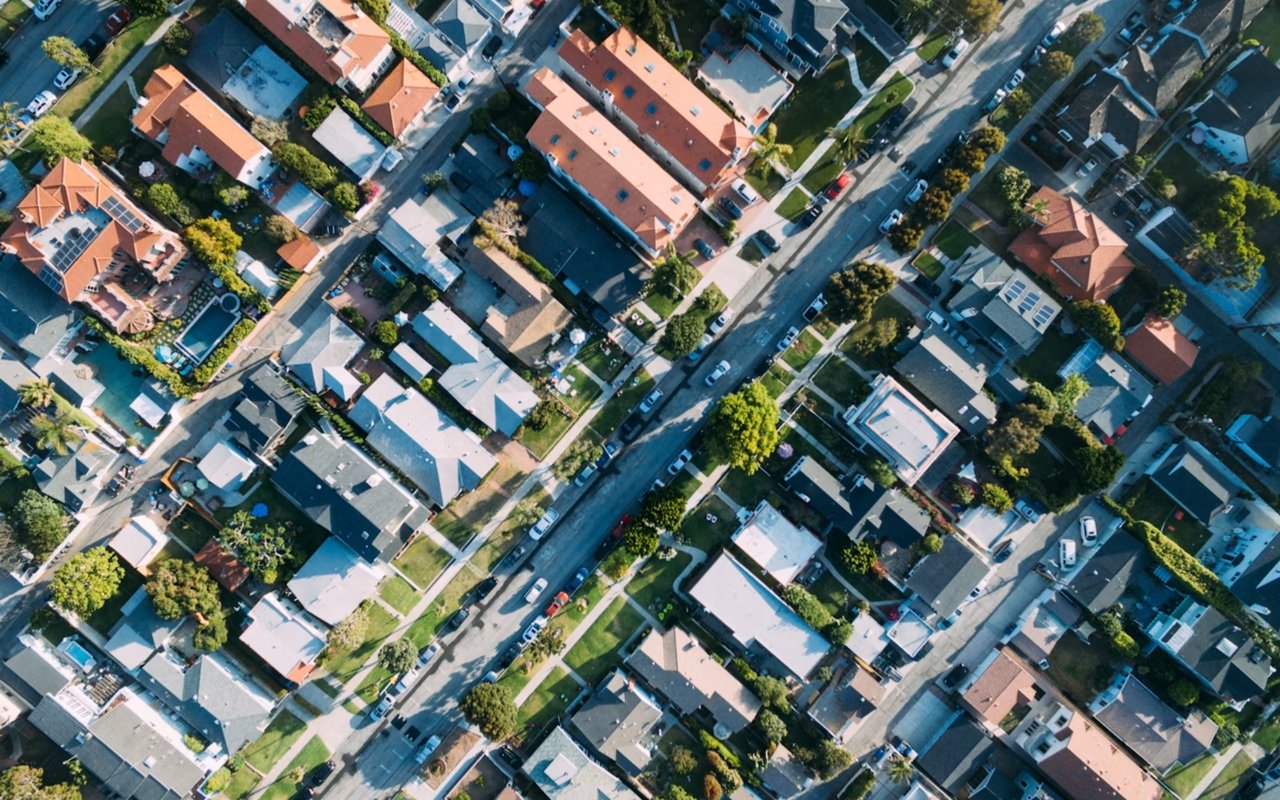
One reason Woodside feels so estate-like is its zoning. The Town’s Housing Appendix notes six single-family residential zones with minimum lot sizes ranging from 20,000 square feet to 10 acres. Density is generally higher in the eastern part of town and lowest in the western areas near the Santa Cruz Mountains.
Here is a simple view of the minimum lot sizes mentioned in Town materials:
| Zone | Minimum Lot Size |
|---|---|
| R-1 | 20,000 square feet |
| SR | 1 acre |
| RR | 3 acres |
| SCP-5 | 5 acres |
| SCP-7.5 | 7.5 acres |
| SCP-10 | 10 acres |
For buyers, this zoning structure helps explain why Woodside offers a very different experience from nearby communities. You are often evaluating not just square footage and finishes, but the relationship between the home, the land, and the potential uses of that land over time.
What Large-Lot Buyers Should Evaluate
Large parcels can create extraordinary privacy, flexibility, and visual impact. They can also bring more moving parts than a typical suburban property. In Woodside, due diligence often goes beyond the home itself.
Zoning standards contemplate barns, stables, covered equestrian arenas, and other accessory structures, but size and height limits vary by zone. That means horse-friendly improvements may be allowed, though they are not automatic or unlimited. If a property already has equestrian infrastructure, you will want to confirm how it aligns with current standards.
The Town also regulates site features that matter on estate properties. Permits may be required for fences, walls, gates, pylons, and berms. Automatic gates are reviewed by the Woodside Fire Protection District, tree removal requires a Tree Destruction Permit, and septic work requires both Town review and review by the San Mateo County Office of Environmental Health.
Some parcels may also carry scenic, conservation, or open-space easements. These recorded limitations can help preserve views, habitat, and riparian areas, but they may also affect where and how future improvements can occur. That is especially important if you are buying with a long-term vision for expansion or land enhancement.
Terrain Matters In Woodside
Not all acreage functions the same way. In Woodside, slope and site conditions can have a meaningful effect on what is practical or permitted. A large parcel may look expansive on paper while still having important development constraints.
The Town’s Housing Appendix notes that parcels above certain slope thresholds must retain natural-state areas, and subdivision approvals may depend on slope and density formulas. This is one of the tools Woodside uses to preserve its low-impact, wooded character.
For buyers, the takeaway is simple. Usable land, access, existing improvements, and topography all deserve close attention. A thoughtful property review should look at how the site lives day to day, not just how large it appears in a listing description.
Utilities, Access, And Property Systems
On larger or more rural-feeling parcels, infrastructure questions become more important. In Woodside, those answers can vary by area. Sewer issues east of Interstate 280 and in the Glens neighborhood are routed to the Fair Oaks Sewer Maintenance District, while septic failures are handled by the San Mateo County Health Department.
Private roads may also be handled by the relevant homeowners association. That mix of public and private responsibility is a reminder that two estate properties can operate very differently, even within the same town. Access, maintenance obligations, and utility systems should all be part of your review.
Woodside’s zoning and planning materials also note that accessory dwelling units are often feasible on larger parcels. In the R-1 zone, detached ADUs are allowed only on properties with at least 20,000 square feet. If flexibility for guests, staff, or extended use matters to you, zoning details are worth evaluating from the start.
Risk Planning Is Part Of Rural Ownership
Woodside’s natural beauty is one of its biggest draws, but it also comes with practical planning needs. The Town’s hazard mitigation plan identifies wildfires, flooding, earthquakes, severe weather, and other hazards. Buyers should approach these properties with a clear understanding of preparedness and maintenance.
For equestrian owners, emergency planning carries another layer of importance. The Town’s Trails Committee connects horse owners to a Horse Evacuation Emergency Preparedness Guide and real-time wildfire alert resources. That reflects the same pattern seen across Woodside’s planning approach: lifestyle and land stewardship go hand in hand.
This does not mean rural ownership is a burden. It means ownership here is more hands-on and more intentional. For many buyers, that is exactly part of the appeal.
Why Woodside Appeals To Luxury Buyers
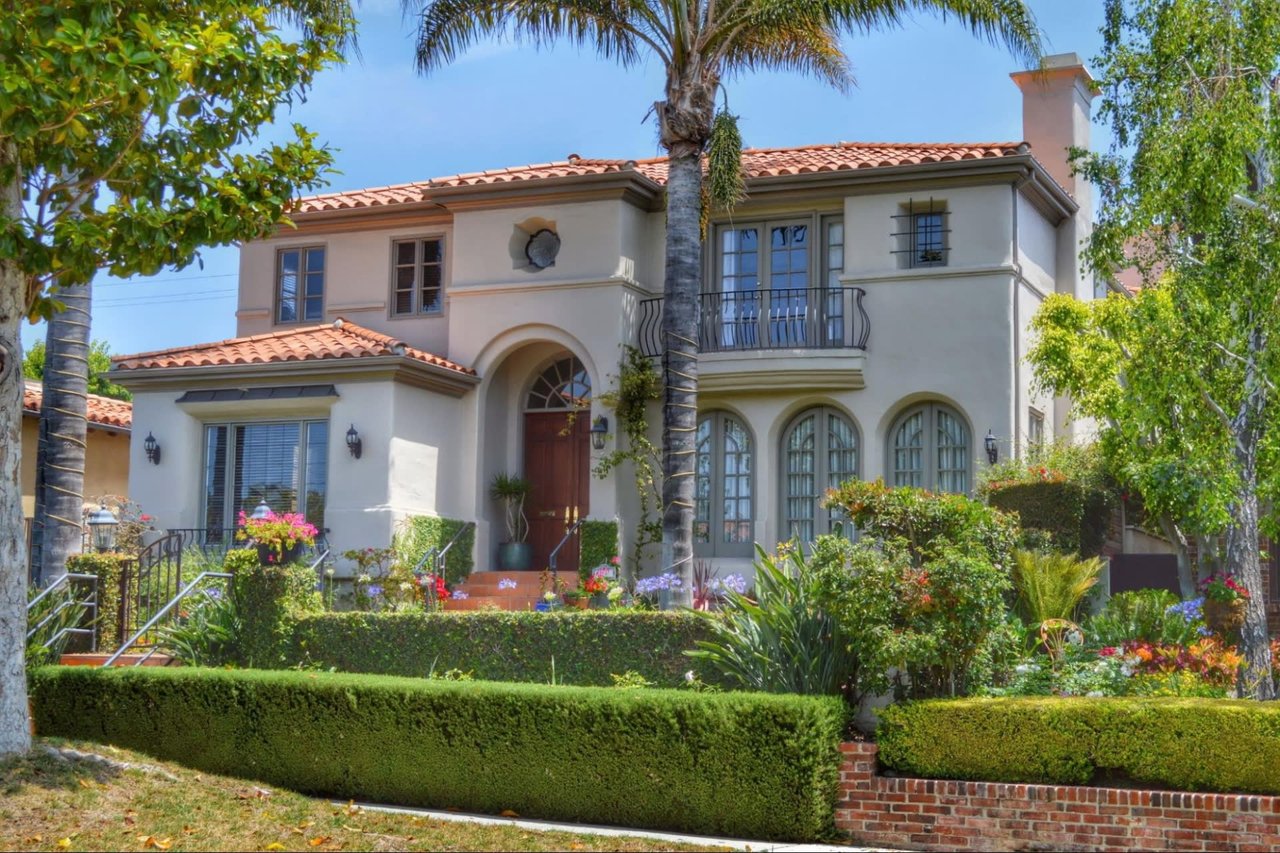
Woodside offers something increasingly hard to find on the Peninsula. You can live in a preservation-minded town with a long history of country estates, substantial open space, and a local framework that supports low-density living. That combination creates a sense of scale and calm that is difficult to replicate.
For some buyers, the appeal is equestrian access and horse-keeping potential. For others, it is the chance to own a large-lot home with privacy, natural surroundings, and a stronger connection to the land. In either case, Woodside is best understood as a place where luxury is shaped as much by landscape and local policy as by architecture.
That is why buying here often benefits from a more detailed, property-specific approach. The right estate is not only beautiful. It should also align with your intended use, your tolerance for site complexity, and your long-term goals.
If you are considering a Woodside estate, equestrian property, or large-lot luxury home, working with a team that understands how lifestyle, land, and presentation come together can make the process far more effective. Connect with Campi Group for thoughtful guidance on the Peninsula’s most distinctive residential properties.
FAQs
What makes Woodside equestrian living different from other Peninsula towns?
- Woodside has a Town-recognized equestrian trail system, local support for horse-related facilities and events, and a permit structure that directly addresses horse keeping.
What lot sizes are common for Woodside luxury homes?
- Town zoning includes minimum lot sizes from 20,000 square feet in R-1 areas up to 10 acres in SCP-10 zones, which is a major reason many properties feel estate-like.
What should buyers check before purchasing a large-lot home in Woodside?
- You should review zoning, permits for existing structures, easements, slope constraints, utility systems, road access, and any rules affecting barns, gates, fencing, trees, septic, or future site improvements.
What permits are required for keeping horses in Woodside?
- The Town requires a Stable Permit for private and commercial horse keeping, and no horse may be kept for more than 30 consecutive days without one.
What should buyers know about building or expanding on a Woodside estate parcel?
- Development potential can be affected by zoning, slope rules, easements, tree regulations, septic review, and permit requirements for accessory structures and site improvements.
Are accessory dwelling units possible on Woodside properties?
- Town materials say ADUs are often feasible on larger parcels, and detached ADUs in the R-1 zone are allowed only on properties with at least 20,000 square feet.