By The Campi Group, Los Altos Real Estate Family Team
Energy efficiency has become one of the most important considerations for today’s homeowners and buyers alike. Whether you’re looking to lower monthly utility bills, improve everyday comfort, or position your home more competitively in the market, making your house more energy efficient does not have to mean a full-scale renovation.
As a Los Altos real estate family team working with homeowners across Silicon Valley, we regularly advise clients on cost-effective improvements that deliver meaningful returns. Buyers are paying close attention to operating costs, sustainability, and energy-conscious features—especially in higher-value markets where long-term ownership costs matter.
Below, we break down the most practical, budget-conscious ways to make your home more energy efficient, focusing on upgrades that provide real value without unnecessary expense.
Start With an Energy Audit
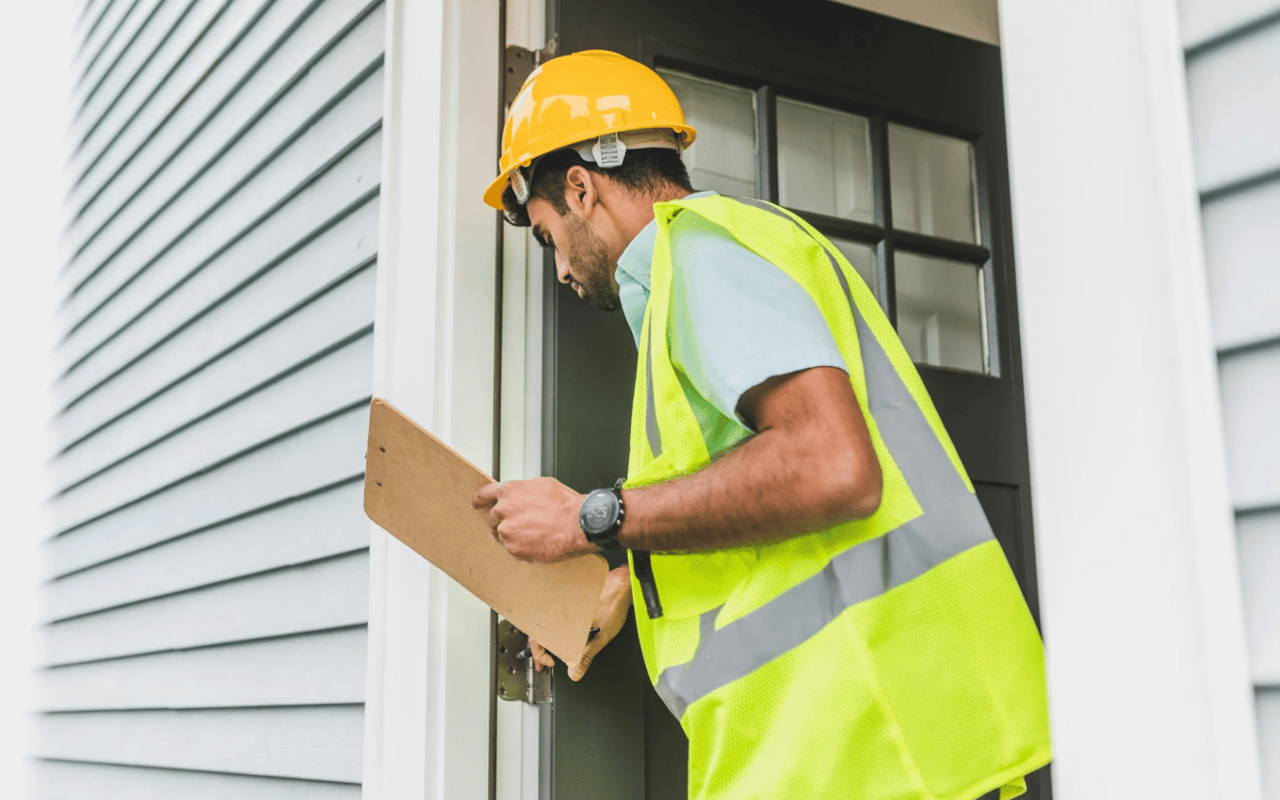
Before making any changes, understanding where your home is losing energy is essential. A professional energy audit evaluates insulation, air leakage, ductwork, appliances, and overall efficiency. Many utility companies offer audits at a reduced cost or even free of charge.
An audit helps prioritize improvements so you’re not spending money blindly. In older homes common throughout Los Altos, Los Altos Hills, and surrounding Peninsula communities, small inefficiencies can add up quickly.
An audit helps prioritize improvements so you’re not spending money blindly. In older homes common throughout Los Altos, Los Altos Hills, and surrounding Peninsula communities, small inefficiencies can add up quickly.
Seal Air Leaks for Immediate Savings
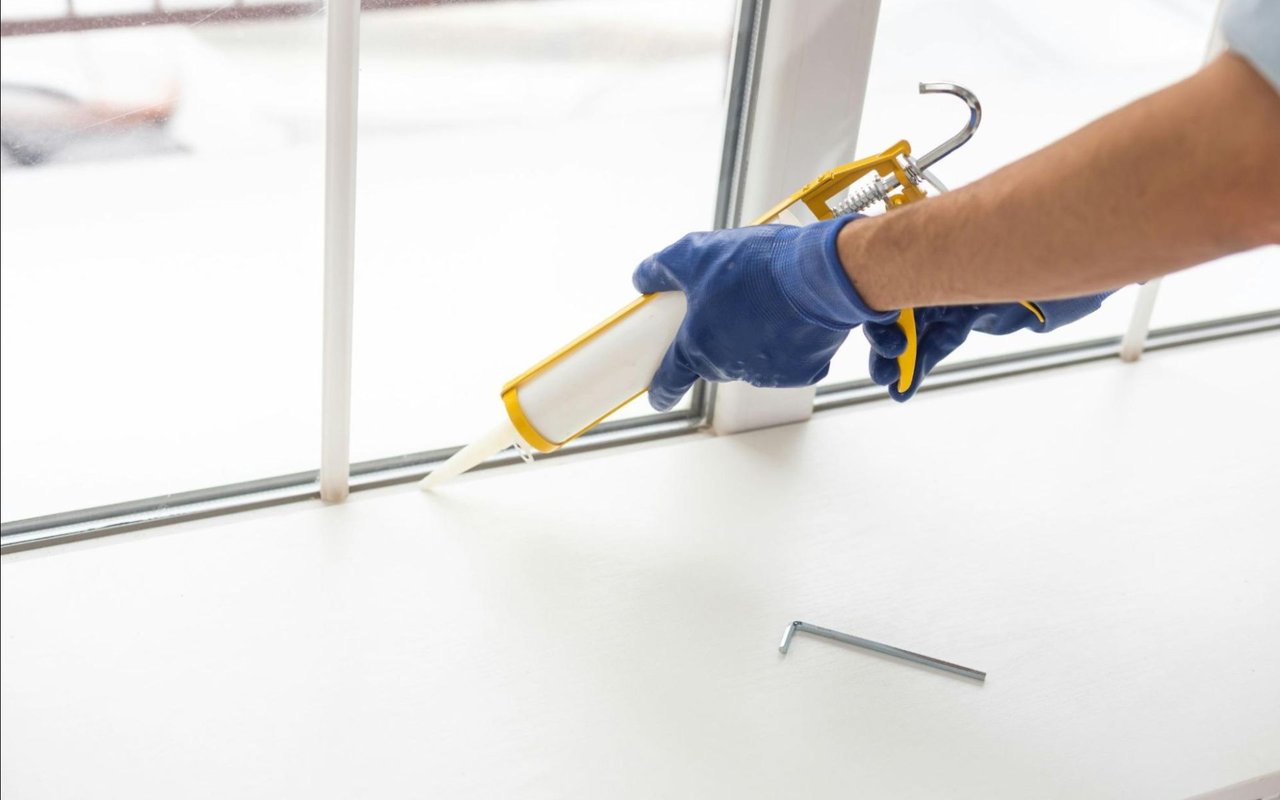
One of the most cost-effective energy upgrades is sealing air leaks. Gaps around doors, windows, vents, and electrical outlets allow conditioned air to escape, forcing heating and cooling systems to work harder.
Simple fixes such as weatherstripping, caulking, and foam sealant can significantly reduce energy loss. These materials are inexpensive, and the improvement in indoor comfort is immediate.
Buyers often underestimate how impactful this step can be, yet it consistently delivers one of the highest returns on investment.
Simple fixes such as weatherstripping, caulking, and foam sealant can significantly reduce energy loss. These materials are inexpensive, and the improvement in indoor comfort is immediate.
Buyers often underestimate how impactful this step can be, yet it consistently delivers one of the highest returns on investment.
Upgrade to LED Lighting
Switching to LED lighting is one of the easiest and most affordable ways to improve energy efficiency. LEDs use up to 75 percent less energy than traditional incandescent bulbs and last significantly longer.
Replacing frequently used bulbs throughout the home—kitchens, hallways, exterior lighting—can noticeably reduce electricity costs. For sellers, updated lighting also enhances how a home shows, creating brighter, more inviting spaces without added heat output.
Replacing frequently used bulbs throughout the home—kitchens, hallways, exterior lighting—can noticeably reduce electricity costs. For sellers, updated lighting also enhances how a home shows, creating brighter, more inviting spaces without added heat output.
Improve Insulation Where It Matters Most
Insulation plays a major role in regulating indoor temperatures. While fully reinsulating a home can be costly, targeted insulation upgrades are often very cost-effective.
Attics are a common area of heat loss, especially in older homes. Adding or upgrading attic insulation can reduce heating and cooling expenses year-round. In some cases, insulating crawl spaces or garage ceilings also improves comfort in adjacent living areas.
These improvements are rarely visible but are increasingly valued by informed buyers who look beyond finishes to understand how a home performs.
Attics are a common area of heat loss, especially in older homes. Adding or upgrading attic insulation can reduce heating and cooling expenses year-round. In some cases, insulating crawl spaces or garage ceilings also improves comfort in adjacent living areas.
These improvements are rarely visible but are increasingly valued by informed buyers who look beyond finishes to understand how a home performs.
Install a Smart Thermostat
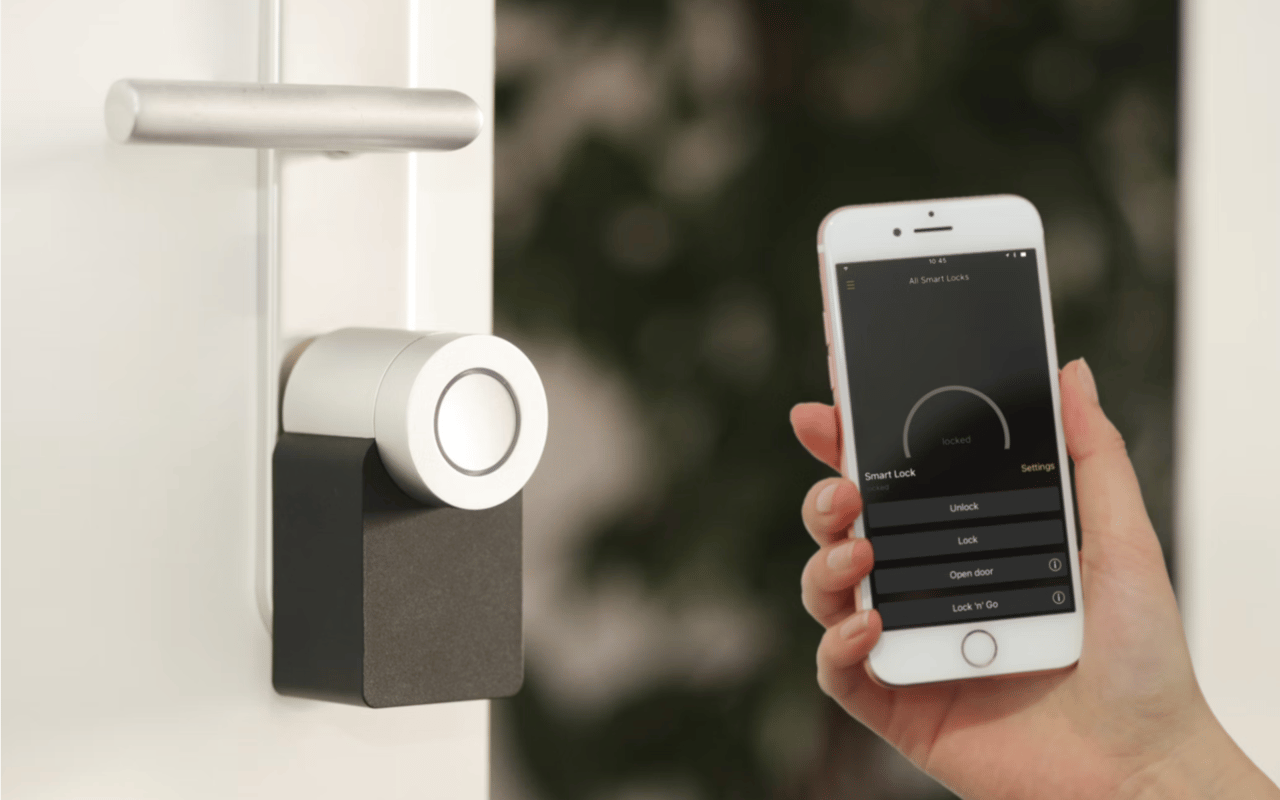
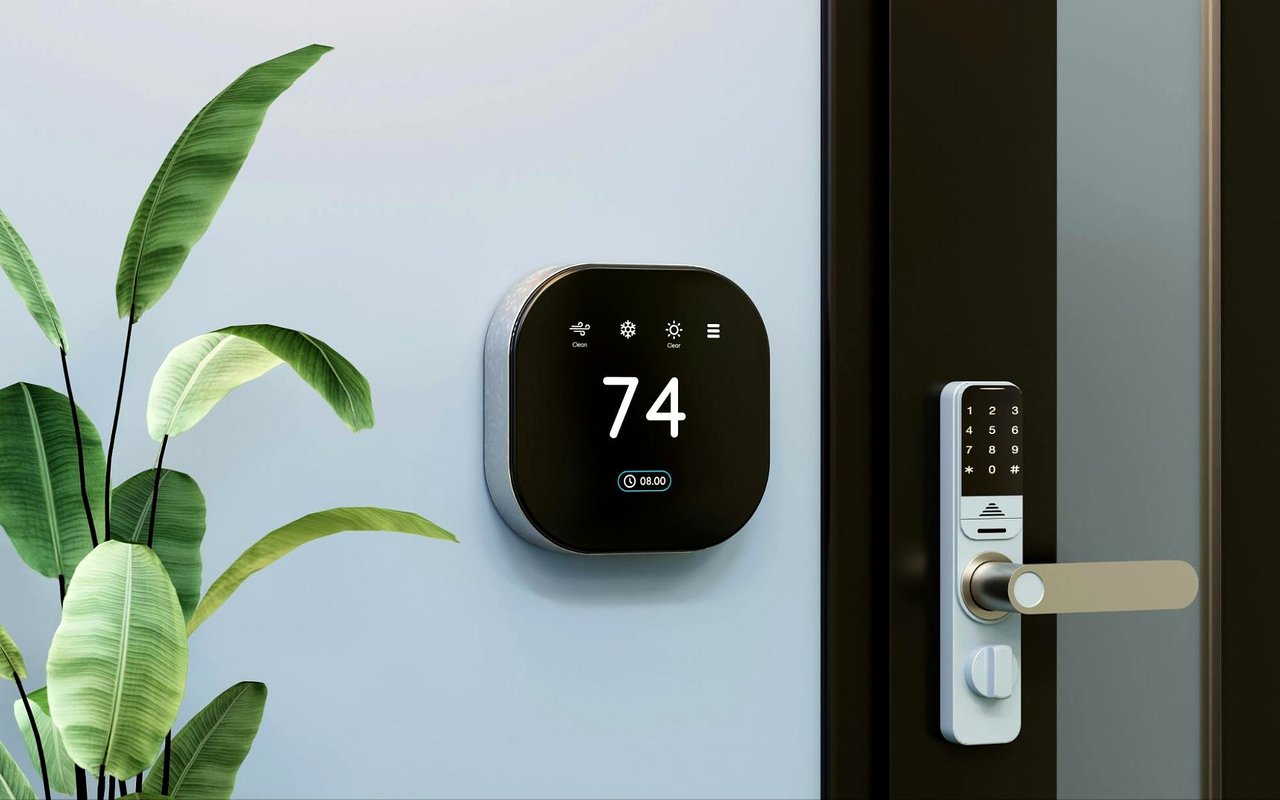
Smart thermostats offer an affordable way to optimize heating and cooling without sacrificing comfort. These systems learn your habits, adjust temperatures automatically, and allow remote control from a smartphone.
In our experience, smart thermostats are particularly appealing to tech-savvy Silicon Valley buyers. They demonstrate thoughtful home management and can reduce energy usage without requiring lifestyle changes.
In our experience, smart thermostats are particularly appealing to tech-savvy Silicon Valley buyers. They demonstrate thoughtful home management and can reduce energy usage without requiring lifestyle changes.
Maintain and Optimize HVAC Systems
Replacing an HVAC system is a significant investment, but proper maintenance is a cost-effective alternative that extends system life and improves efficiency. Regular servicing, filter changes, and duct inspections can dramatically improve performance.
Sealing leaky ducts and ensuring proper airflow helps conditioned air reach living spaces efficiently. Even modest improvements can lead to lower energy bills and more consistent indoor temperatures.
Sealing leaky ducts and ensuring proper airflow helps conditioned air reach living spaces efficiently. Even modest improvements can lead to lower energy bills and more consistent indoor temperatures.
Choose Energy-Efficient Appliances Strategically
When appliances need replacement, choosing energy-efficient models can reduce operating costs over time. ENERGY STAR–rated appliances use less electricity and water while maintaining performance.
Rather than replacing everything at once, focus on high-impact items such as refrigerators, washers, and dryers. These upgrades are especially appealing to buyers who prioritize sustainability and long-term cost savings.
Rather than replacing everything at once, focus on high-impact items such as refrigerators, washers, and dryers. These upgrades are especially appealing to buyers who prioritize sustainability and long-term cost savings.
Window Improvements Without Full Replacement
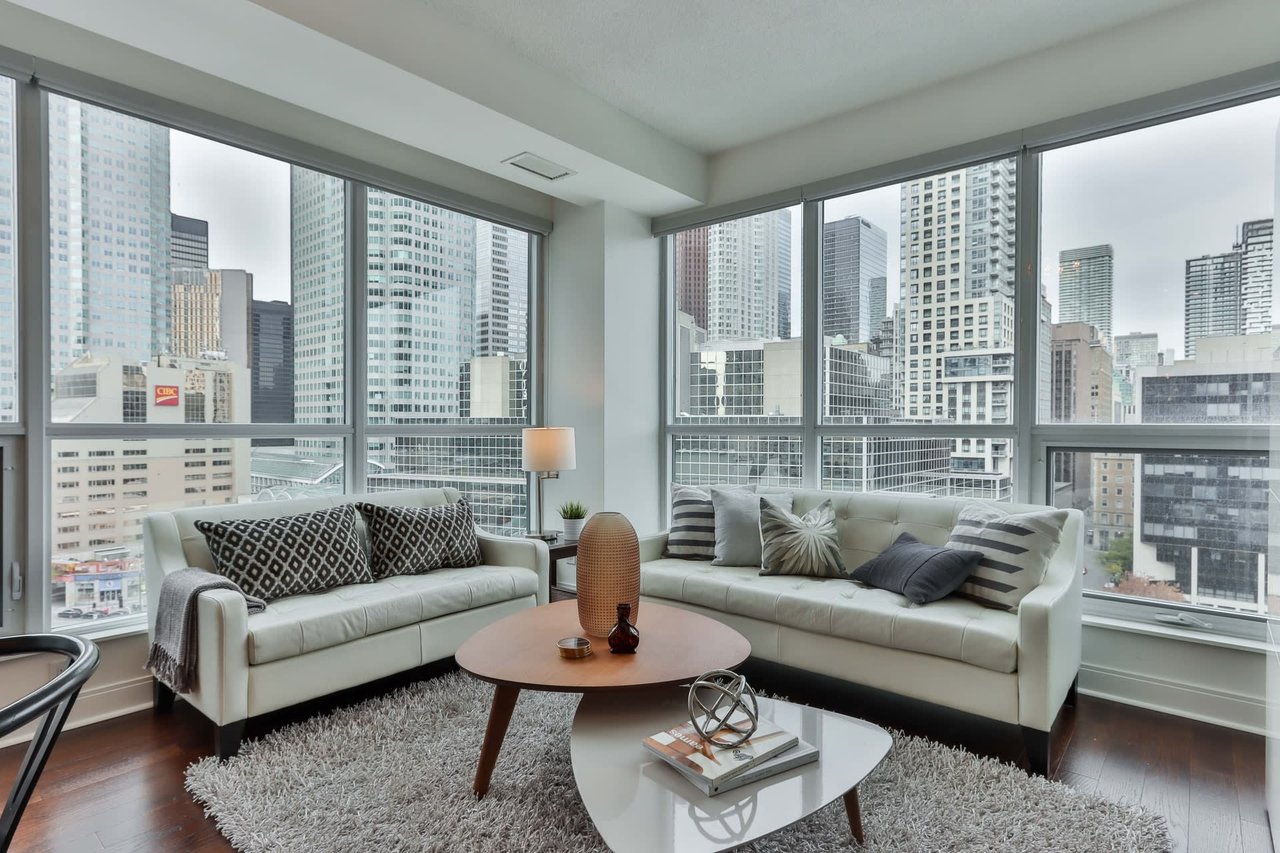
Full window replacement can be expensive, but there are cost-effective alternatives. Adding window film, cellular shades, or thermal curtains helps reduce heat transfer and improves insulation.
In some cases, repairing seals or adding storm windows delivers efficiency gains without the price tag of full replacement. These smaller upgrades can significantly improve comfort, particularly in sun-exposed rooms.
In some cases, repairing seals or adding storm windows delivers efficiency gains without the price tag of full replacement. These smaller upgrades can significantly improve comfort, particularly in sun-exposed rooms.
Leverage Utility Rebates and Tax Incentives
Many energy-efficient upgrades qualify for local utility rebates or federal and state tax incentives. These programs can substantially reduce out-of-pocket costs for insulation, smart thermostats, energy-efficient appliances, and HVAC improvements.
We always encourage homeowners to research available incentives before starting a project. Strategic planning can make energy upgrades far more affordable than expected.
We always encourage homeowners to research available incentives before starting a project. Strategic planning can make energy upgrades far more affordable than expected.
Why Energy Efficiency Matters in Today’s Real Estate Market
Energy efficiency is no longer a niche concern—it’s a mainstream expectation. Buyers are increasingly informed and cost-conscious, particularly in markets like Los Altos where long-term ownership is common.
Homes with documented efficiency improvements often enjoy stronger buyer interest and improved marketability. Even modest upgrades signal proactive ownership and reduce perceived future expenses, which can positively influence negotiations.
Homes with documented efficiency improvements often enjoy stronger buyer interest and improved marketability. Even modest upgrades signal proactive ownership and reduce perceived future expenses, which can positively influence negotiations.
Frequently Asked Questions About Making a Home More Energy Efficient
What is the most cost-effective energy upgrade overall?
Sealing air leaks and upgrading lighting typically deliver the fastest and most affordable returns.
Do energy-efficient upgrades increase home value?
While not all upgrades add dollar-for-dollar value, they improve marketability, buyer confidence, and long-term appeal.
Are smart home features worth the investment?
Yes. Smart thermostats and energy monitoring tools are relatively inexpensive and highly attractive to modern buyers.
Should sellers make energy upgrades before listing?
Targeted, low-cost improvements can enhance a home’s appeal and reduce buyer objections during inspections.
Do buyers ask about energy efficiency in luxury markets?
Increasingly, yes. Operating costs and sustainability are important even at higher price points.
If you’re considering energy-efficient improvements or preparing your home for sale, The Campi Group is here to help you make informed, cost-effective decisions. As a Los Altos real estate family team, we understand how smart upgrades impact both daily living and long-term value.
Connect with The Campi Group and receive personalized guidance tailored to your home and goals.
If you’re considering energy-efficient improvements or preparing your home for sale, The Campi Group is here to help you make informed, cost-effective decisions. As a Los Altos real estate family team, we understand how smart upgrades impact both daily living and long-term value.
Connect with The Campi Group and receive personalized guidance tailored to your home and goals.