Choosing where to live in Redwood City often comes down to one question: do you want your daily routine centered on movement and energy, or on space and quiet? If you are weighing downtown against the hillside and west-of-El-Camino neighborhoods, you are not alone. The right fit depends less on a label and more on how you want your days to feel. Let’s dive in.
How Redwood City Changes Block by Block
Redwood City stretches from the Bay shoreline to the hillsides of the Santa Cruz Mountains, and that range shows up in the way different neighborhoods function. The city’s planning framework identifies distinct neighborhood types, including downtown-adjacent, hillside, historic influence low density, post-war, and mixed-density areas.
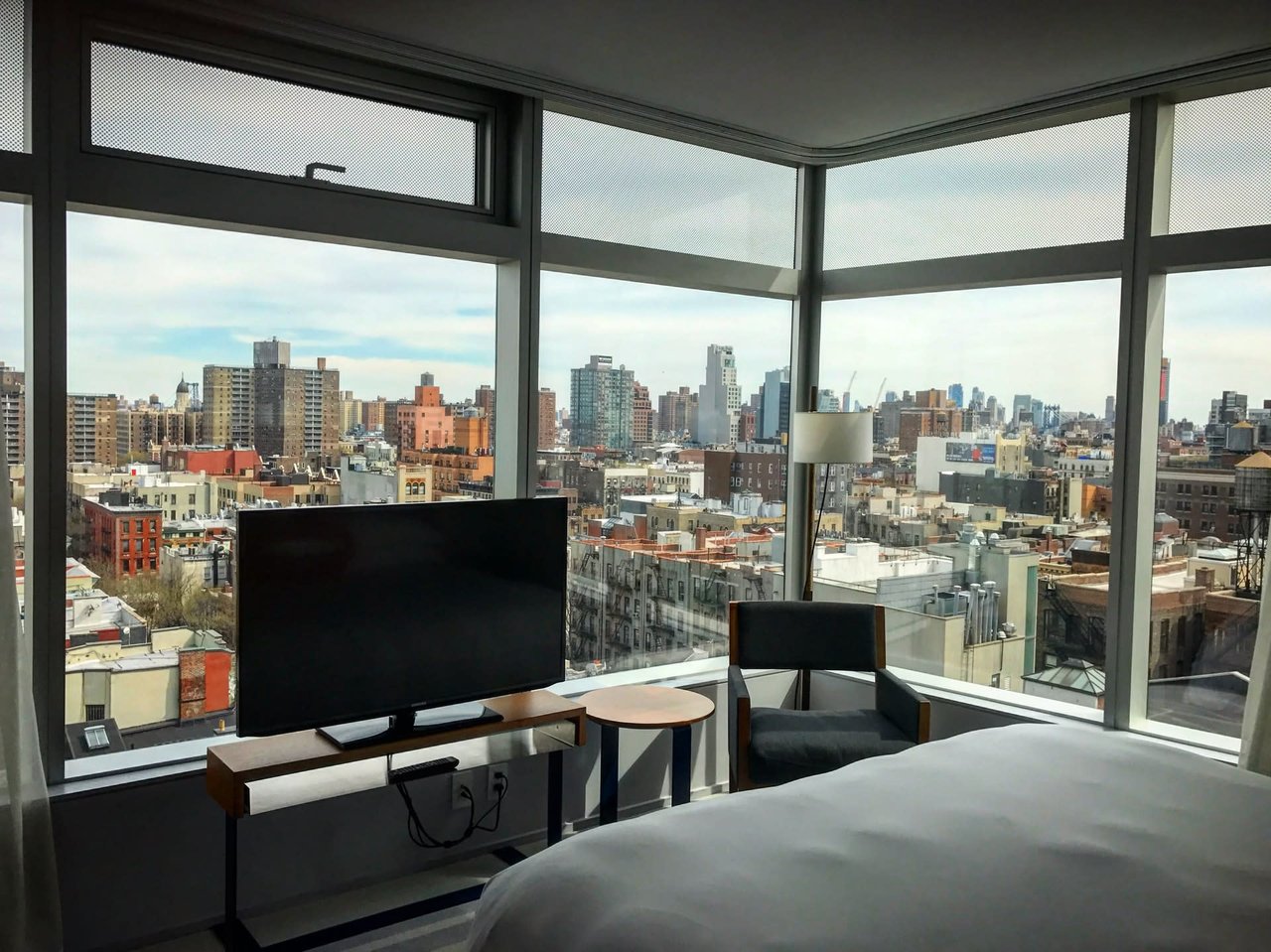
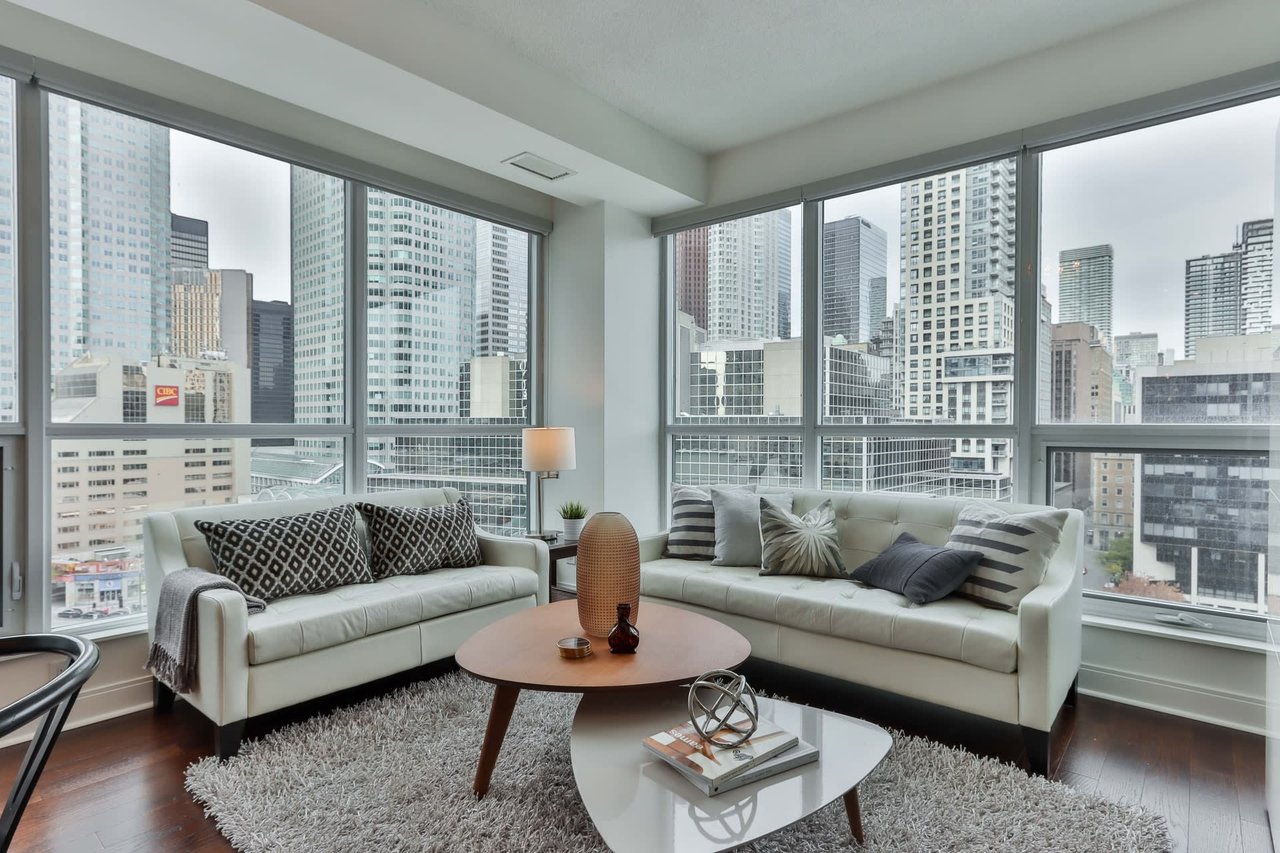
That matters because downtown and the west side are not just different in look. They support different routines. In simple terms, downtown leans more walkable, transit-connected, and active, while hillside and many west-of-El-Camino areas feel more residential, lower-scale, and car-oriented.
Downtown Redwood City at a Glance
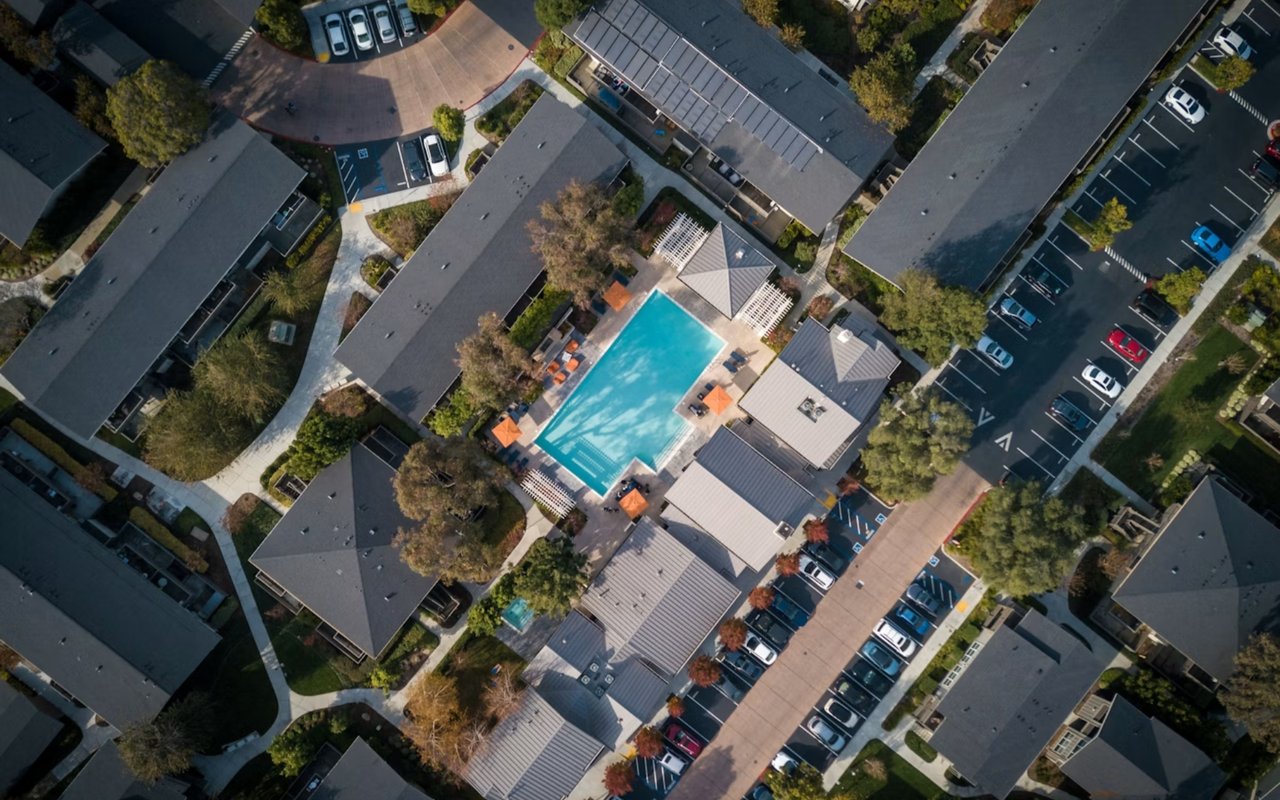
Downtown is the most connected part of the city. The Redwood City Caltrain station sits right in the center, SamTrans serves the area with multiple routes, and the city has structured parking through garages, lots, on-street spaces, and a real-time parking guidance system.
For many buyers, that creates a very specific kind of convenience. You can build more of your routine around walking, transit, and short trips rather than getting in the car for every errand or evening out.
Daily Life Downtown
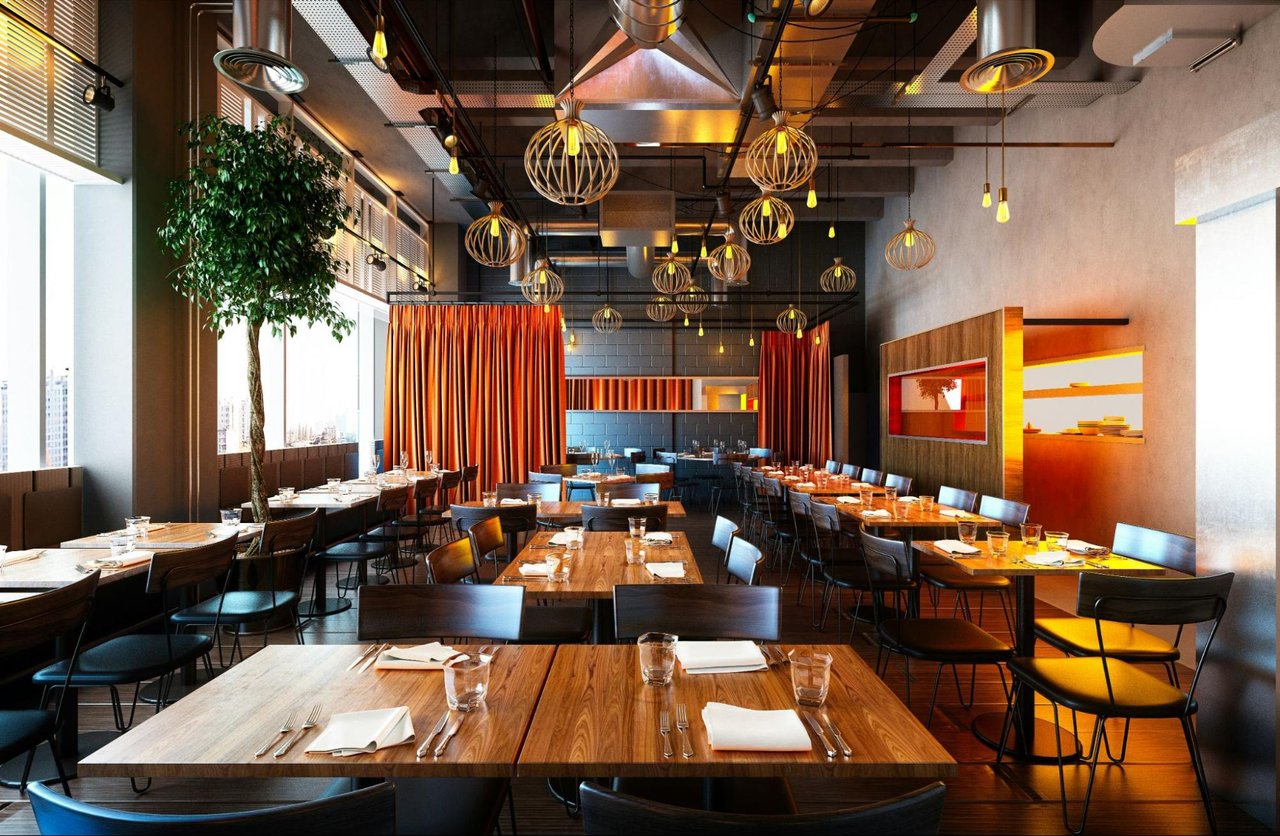
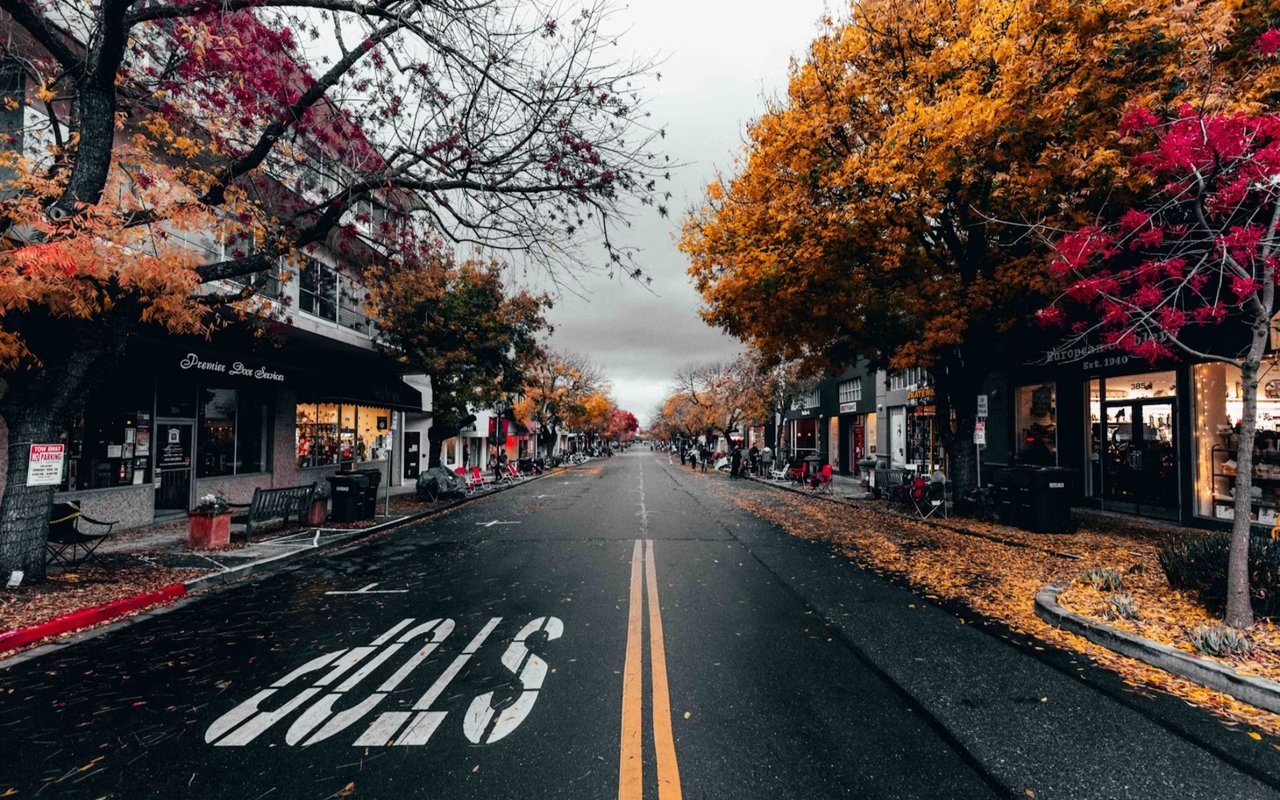
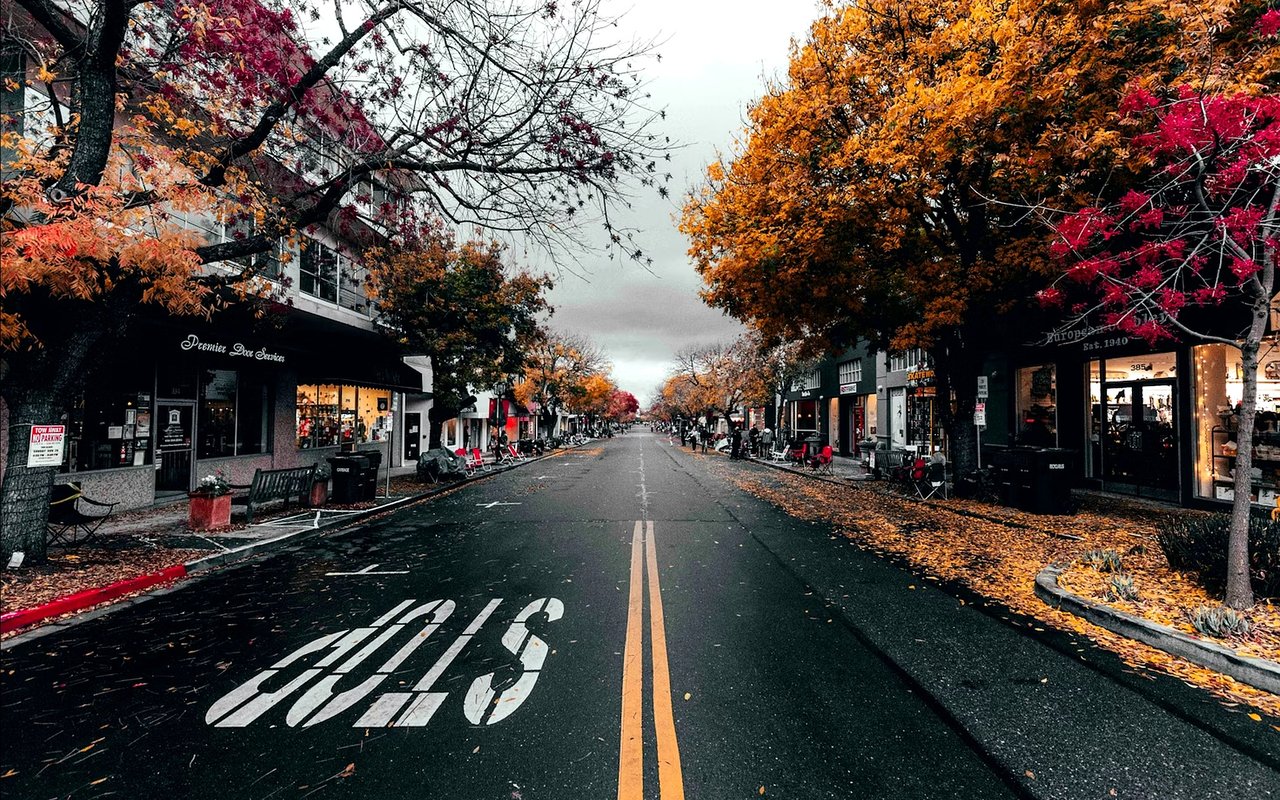
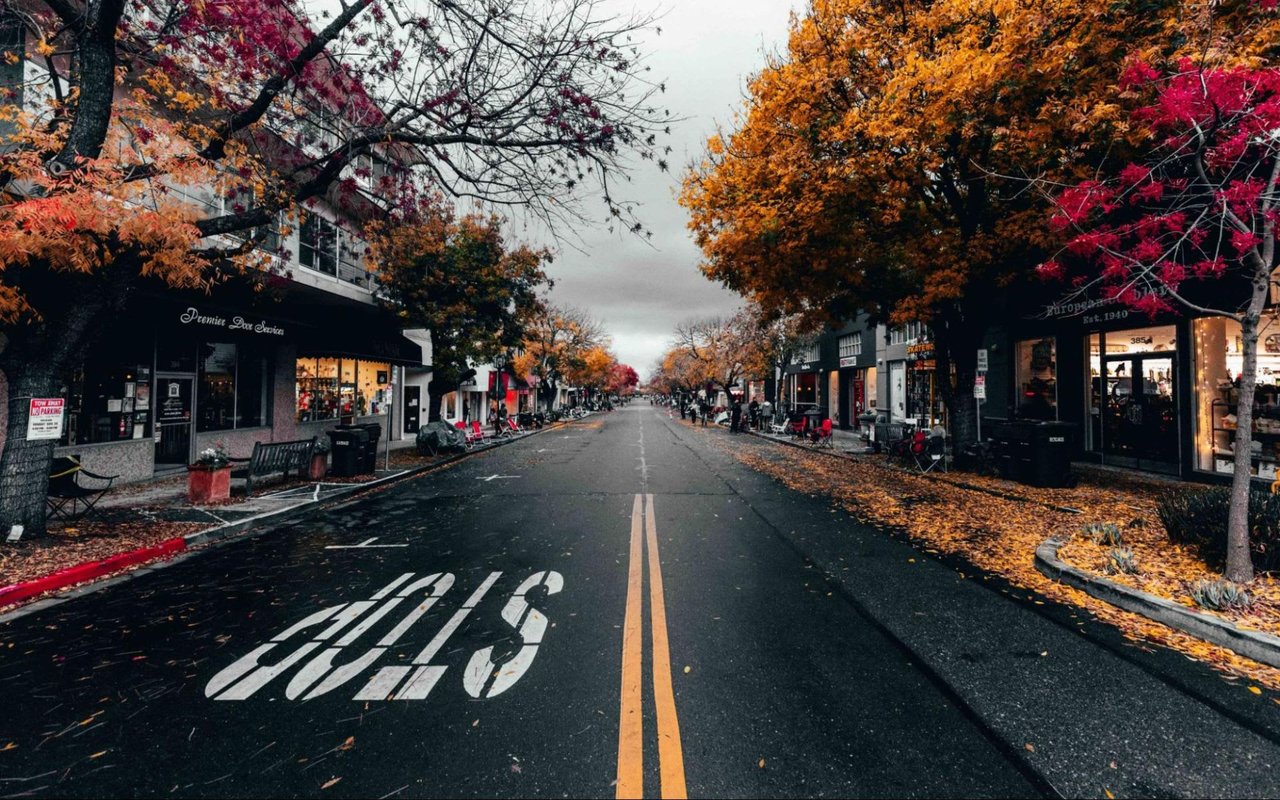
Downtown Redwood City is designed around activity. City information highlights more than 75 restaurants, and another city source notes 80-plus restaurants within a 15-minute walk of Courthouse Square, along with shopping, fitness, self-care, and entertainment options.
Courthouse Square and the surrounding blocks also shape the feel of the area. Restaurants, music venues, movie theaters, and event activity create a more social rhythm, especially in the evenings and on weekends.
Housing Character Downtown
Downtown is also one of the city’s most actively evolving areas. The Downtown Precise Plan was amended in June 2023, and the Greater Downtown Area Plan is expected to be completed in 2027.
That ongoing planning work means downtown is not standing still. City documents note that the area has already supported significant office and residential development, while nearby older neighborhoods such as Mezesville and Stambaugh-Heller contribute older wood-frame homes and some of the city’s earliest housing stock.
Hillside and West-of-El-Camino Living
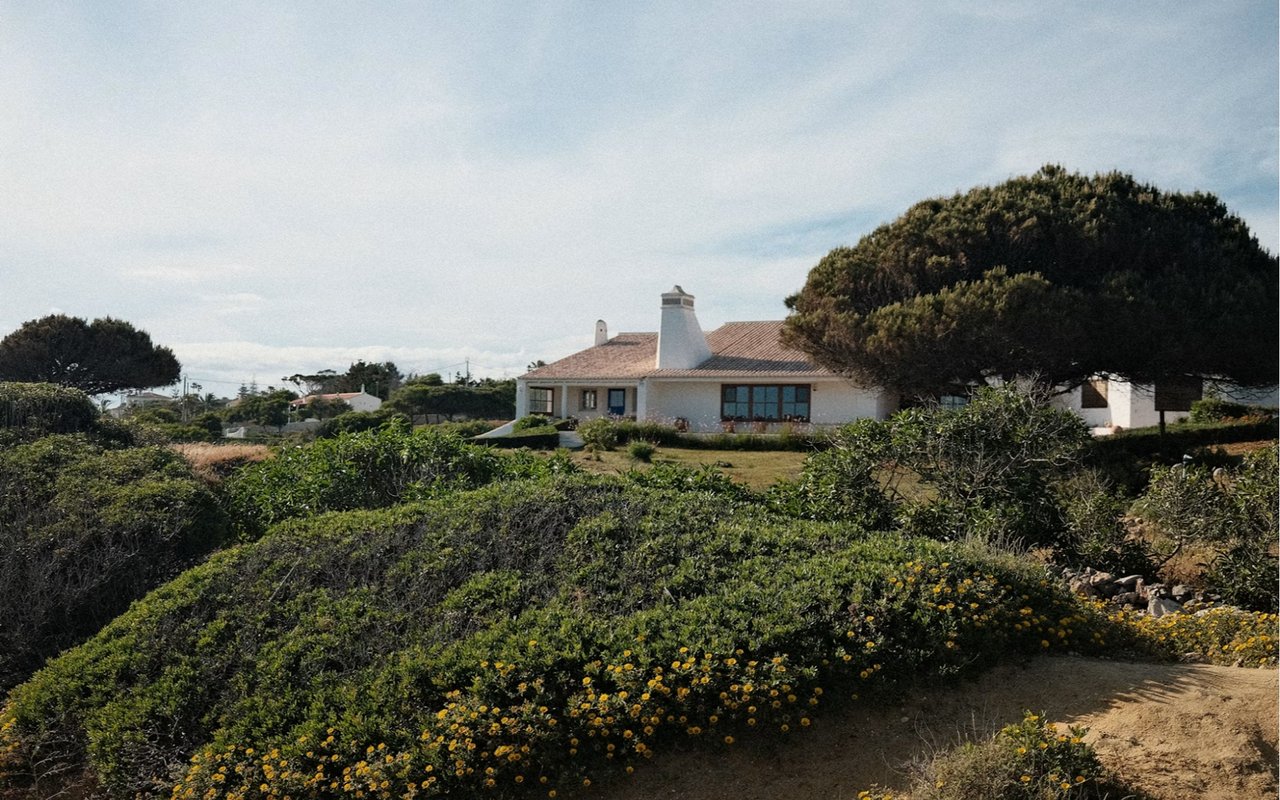
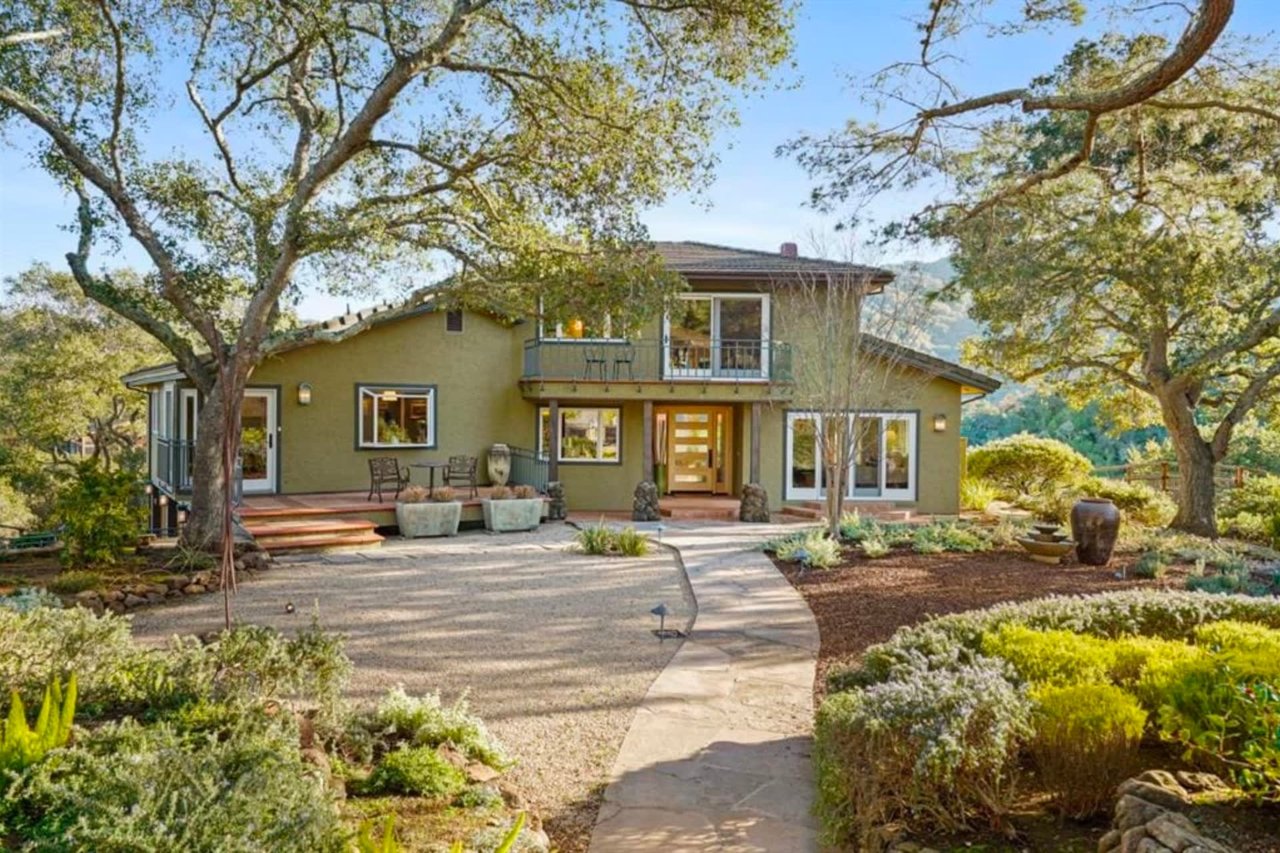
On the other side of the comparison, hillside and west-of-El-Camino neighborhoods tend to offer a more established residential setting. These areas include places identified on the city’s neighborhood map such as Edgewood Park, Farm Hill, Mt. Carmel, Redwood Oaks, Roosevelt, and Woodside Plaza.
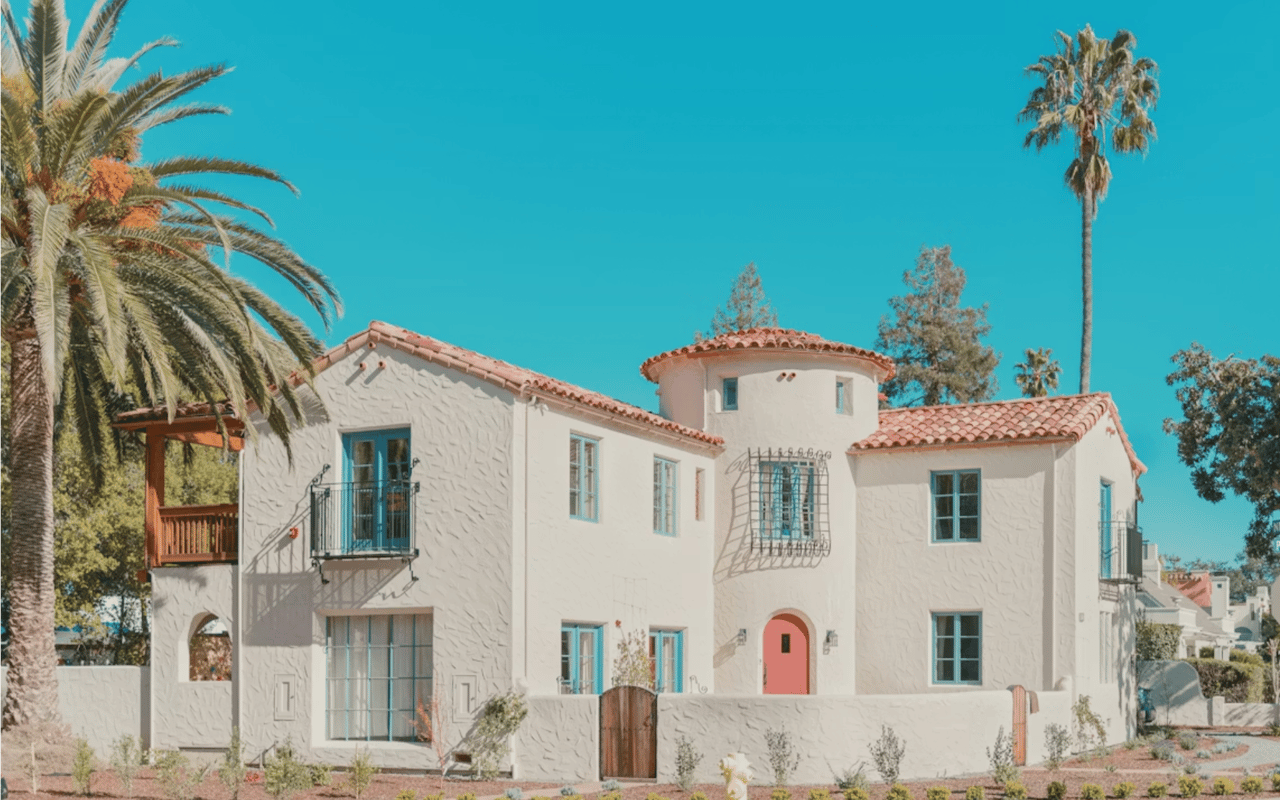
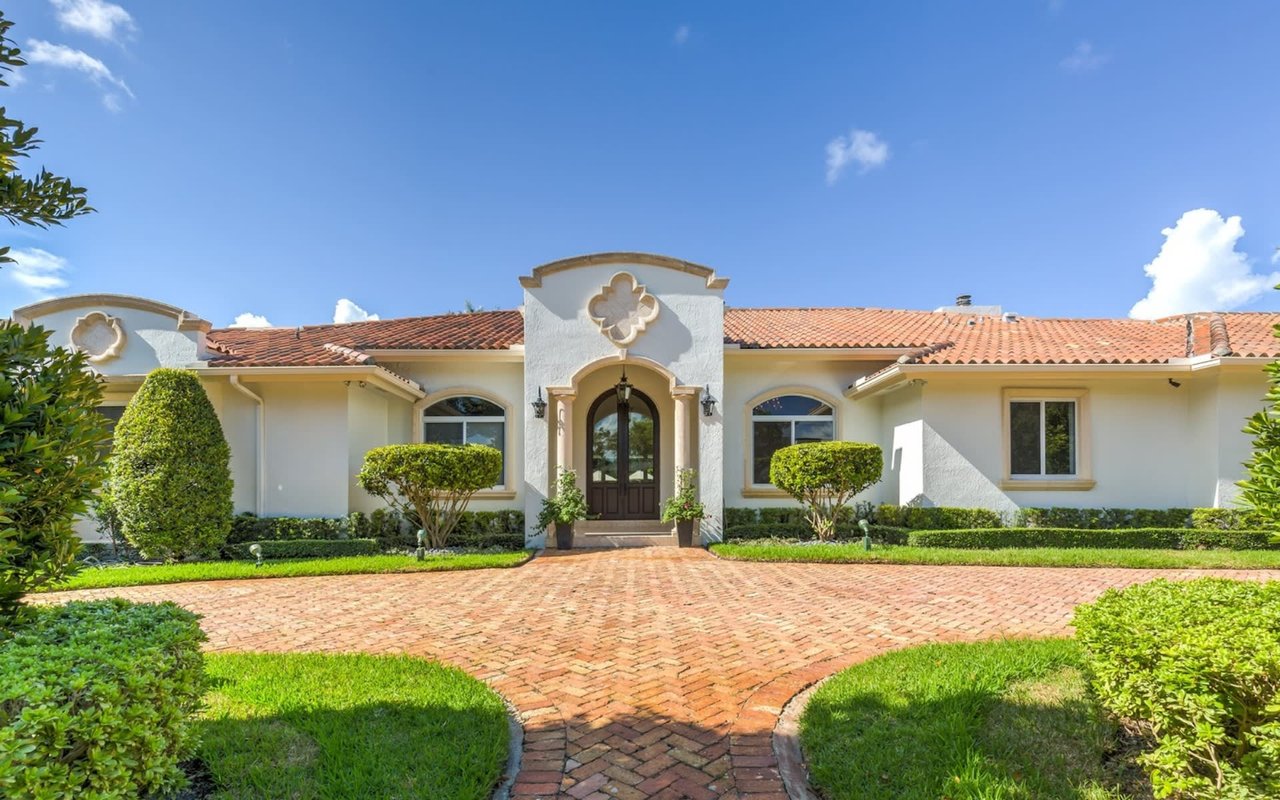
Rather than one single neighborhood type, this part of Redwood City includes a range of settings. Some areas are shaped by historic low-density development, while others reflect post-war planning with detached homes, front driveways, garages, and cul-de-sacs.
Streets, Setting, and Home Style
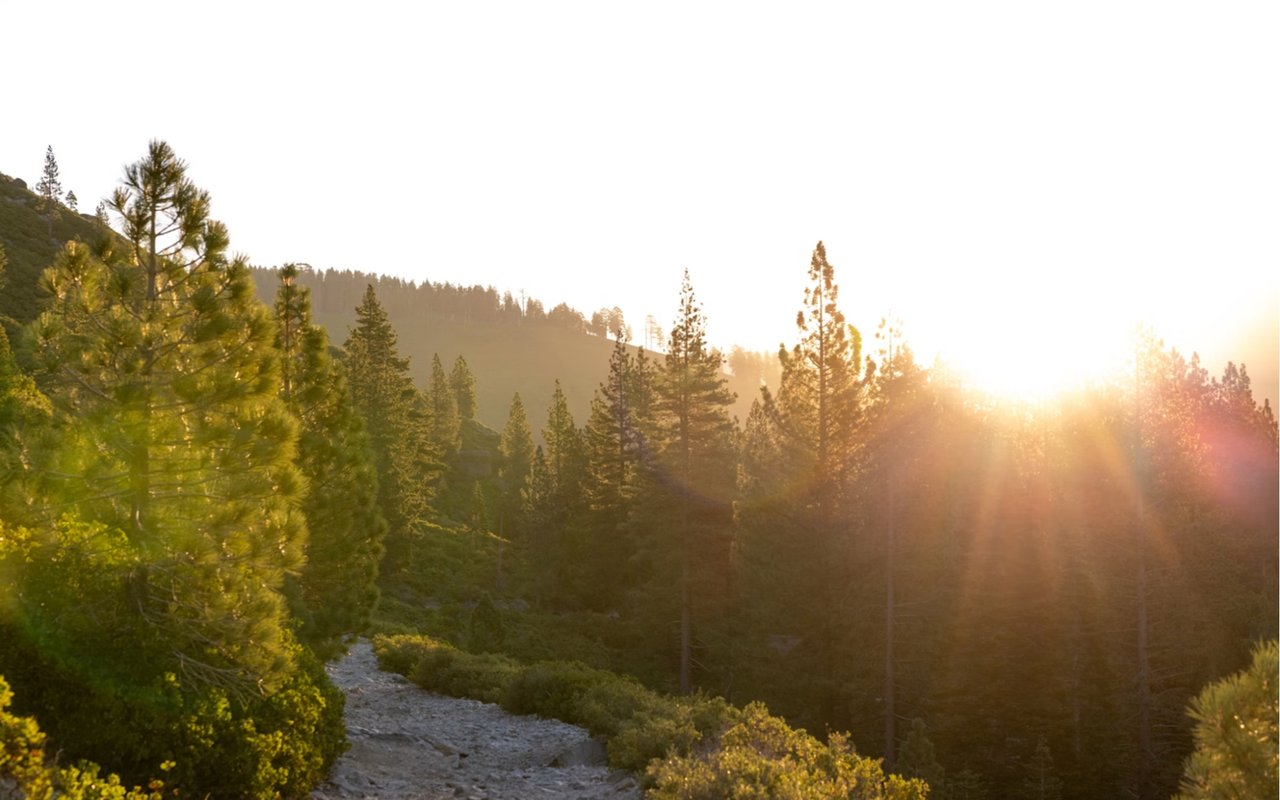
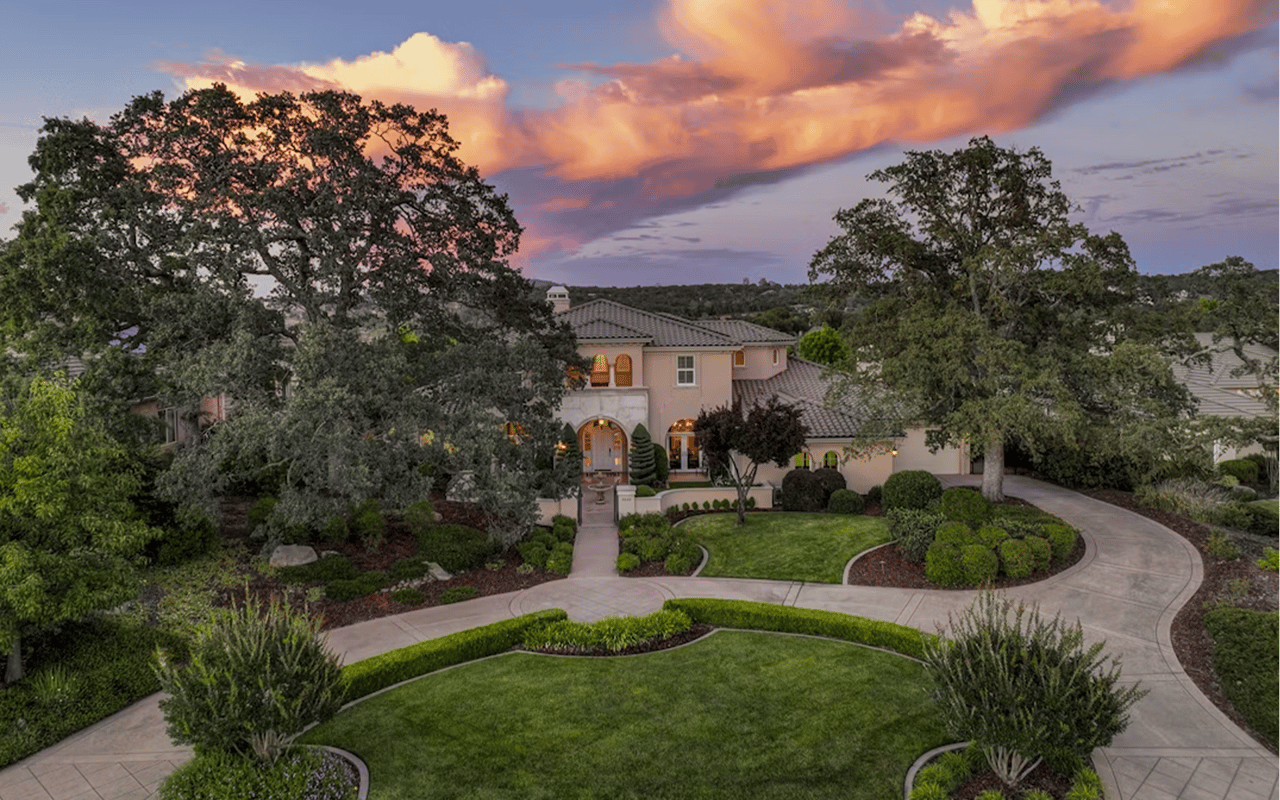
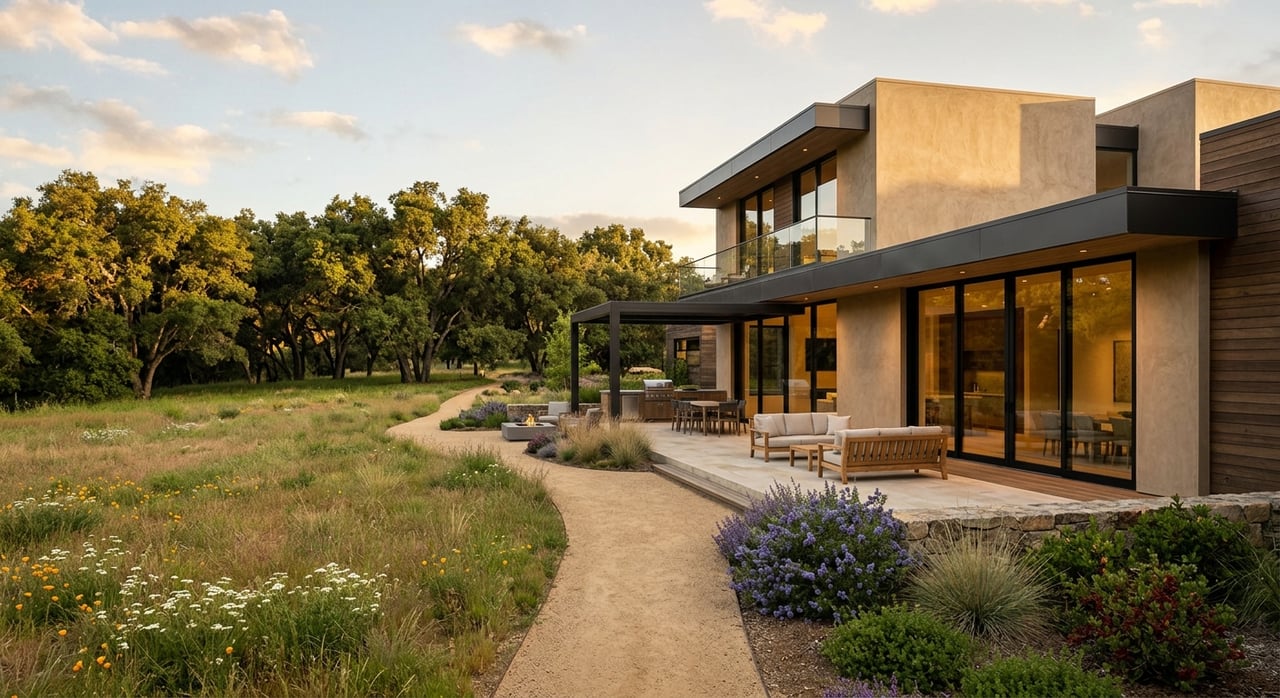
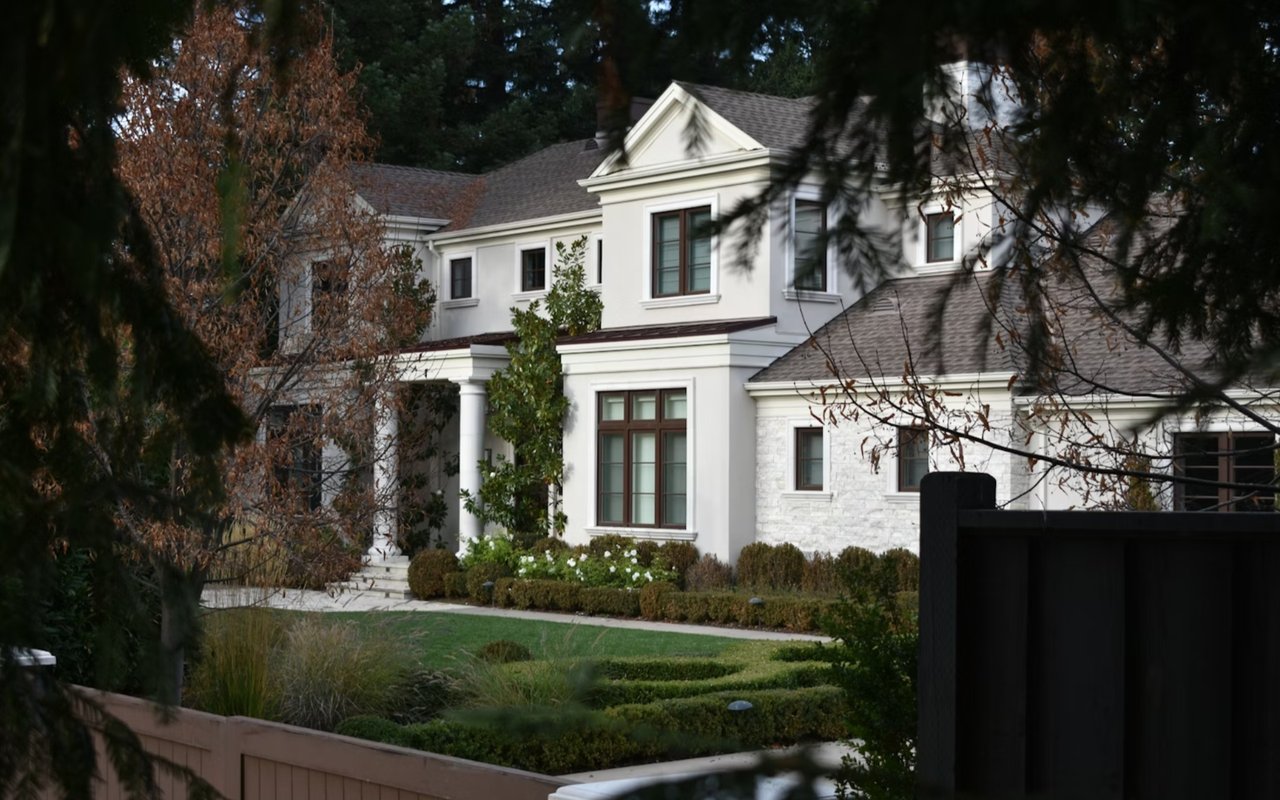
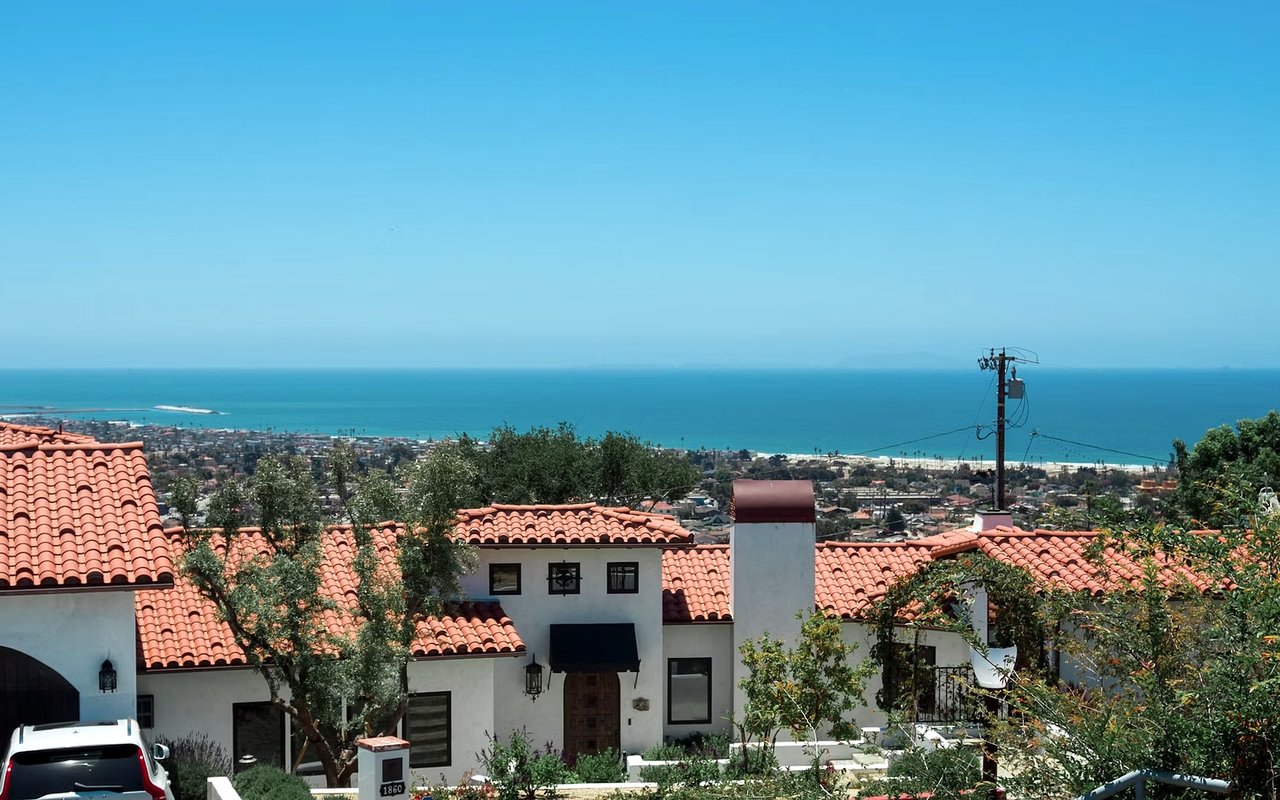
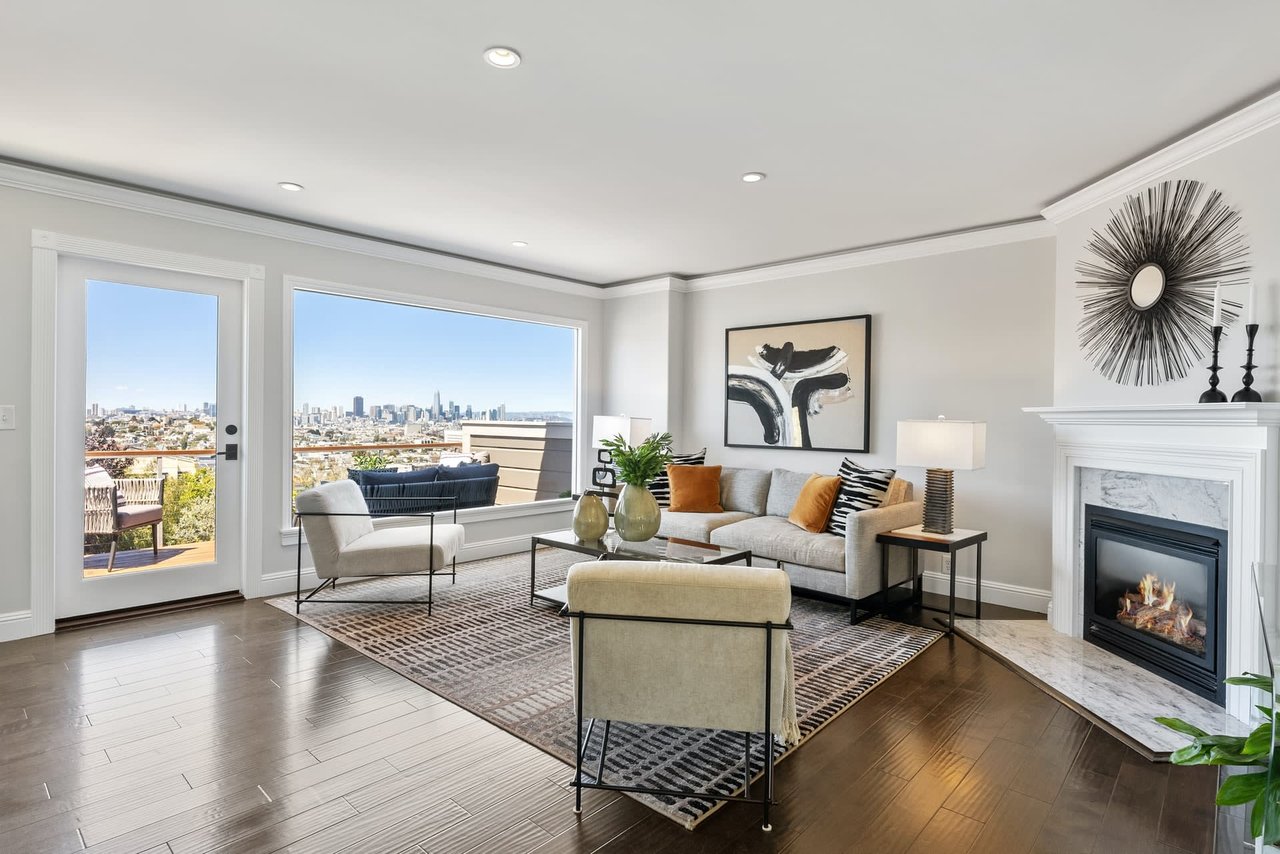
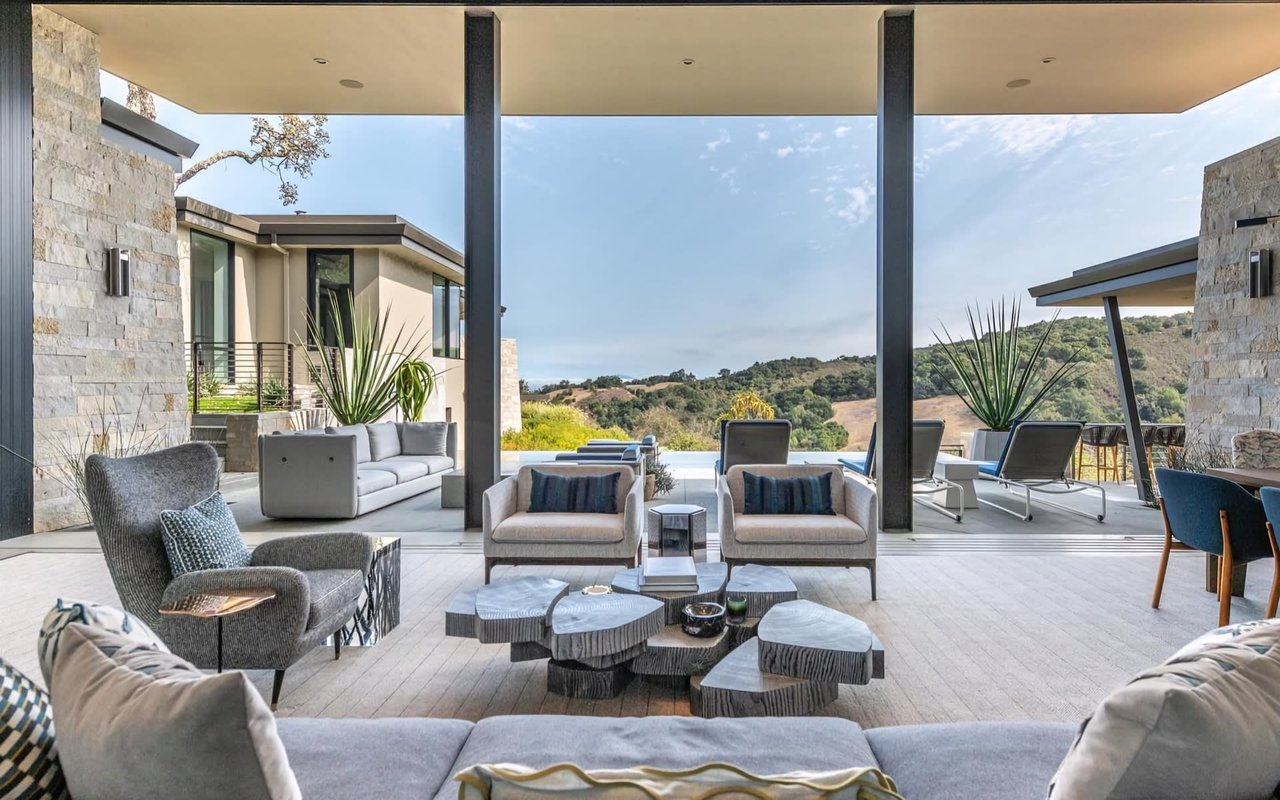
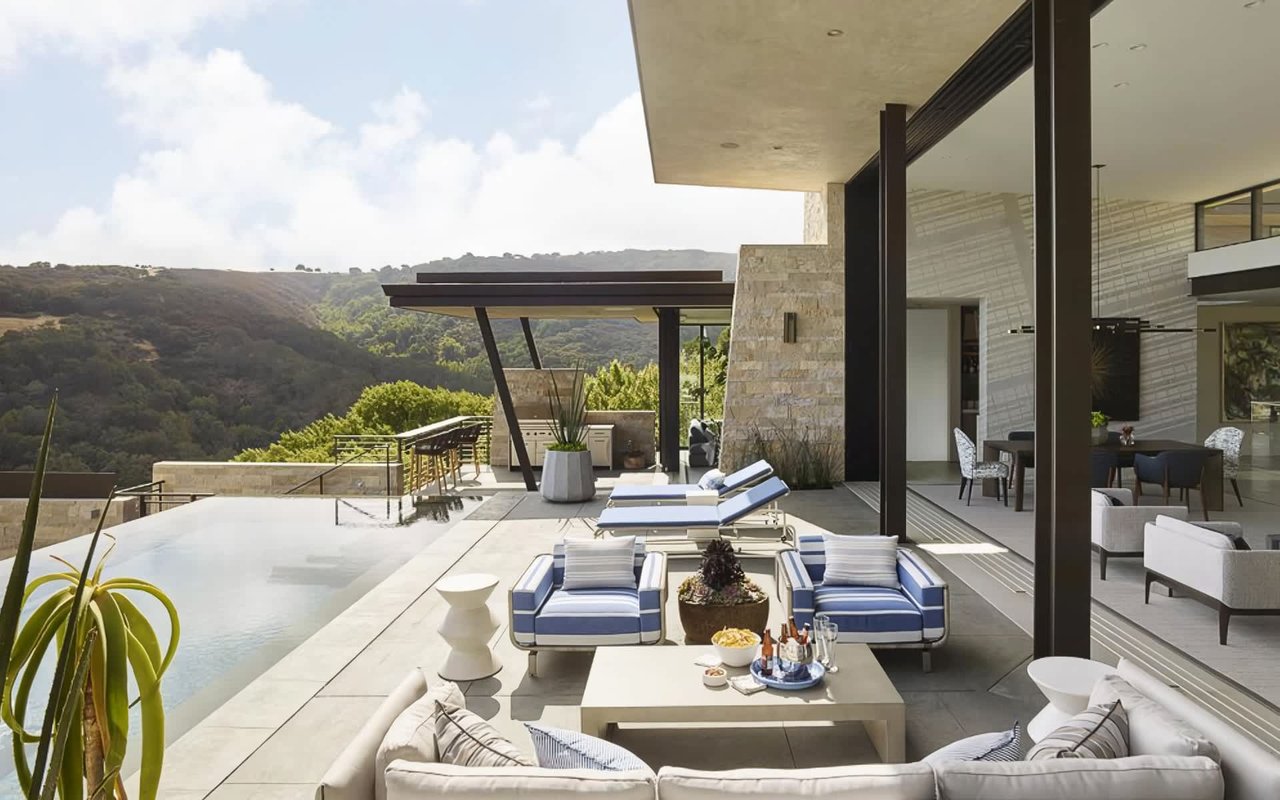
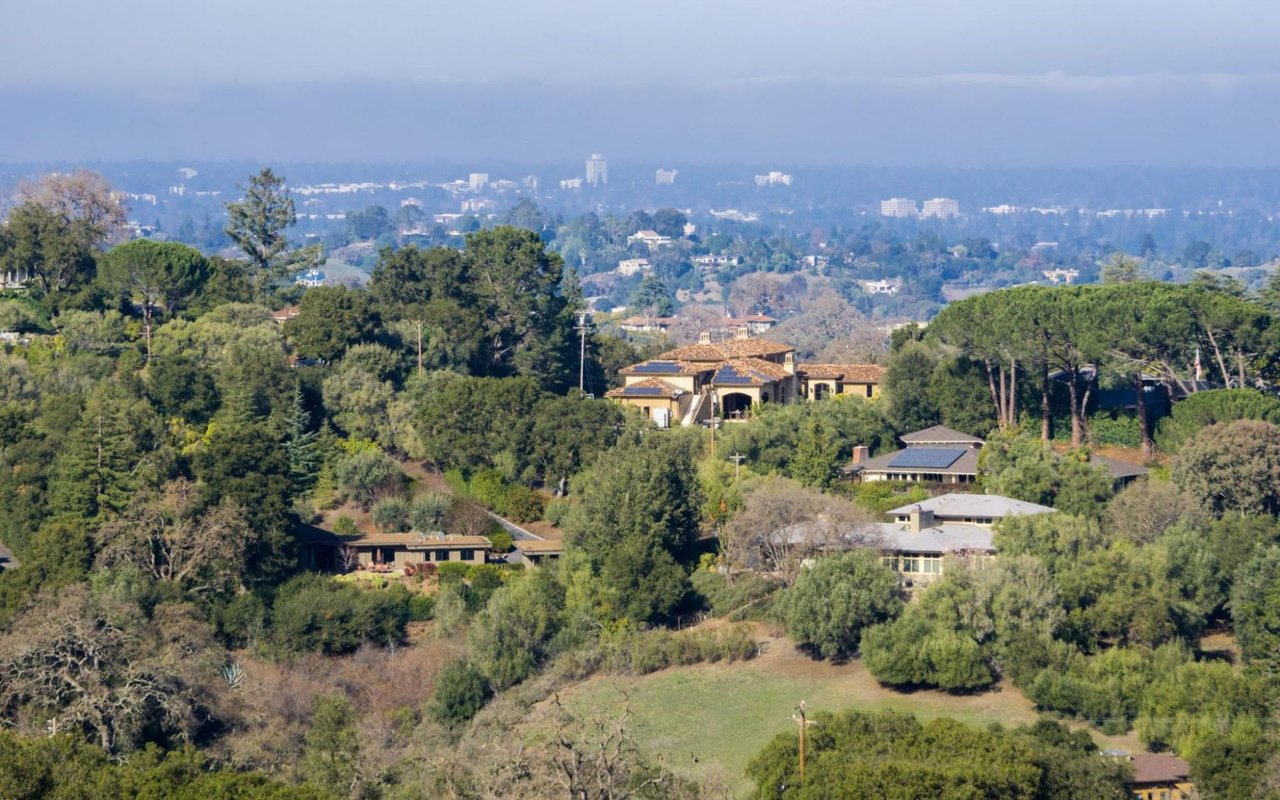
The city describes hillside neighborhoods as a distinct type influenced by the foothills of the Santa Cruz Mountains. These areas generally feature curving streets, larger homes, and proximity to Edgewood County Park.
City planning documents also say little change is anticipated in these hillside areas. Future work is expected to focus more on context-sensitive renovations, grading, and viewsheds than on large-scale transformation.
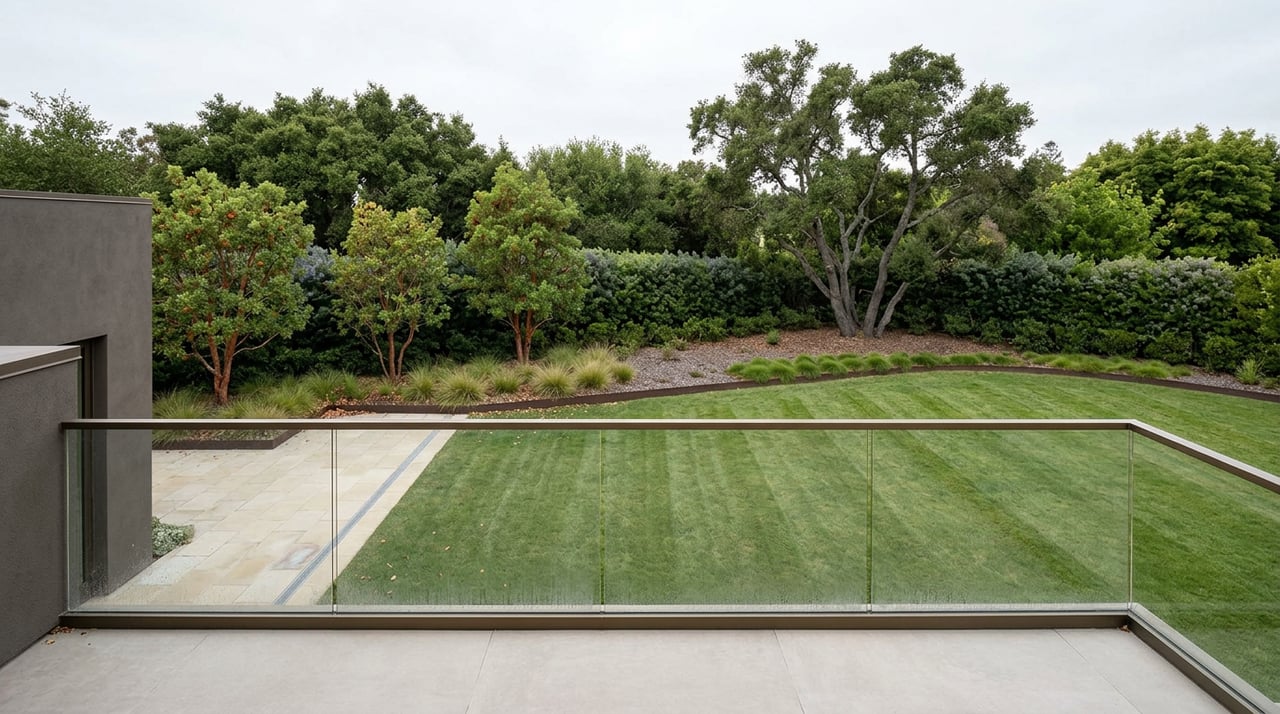
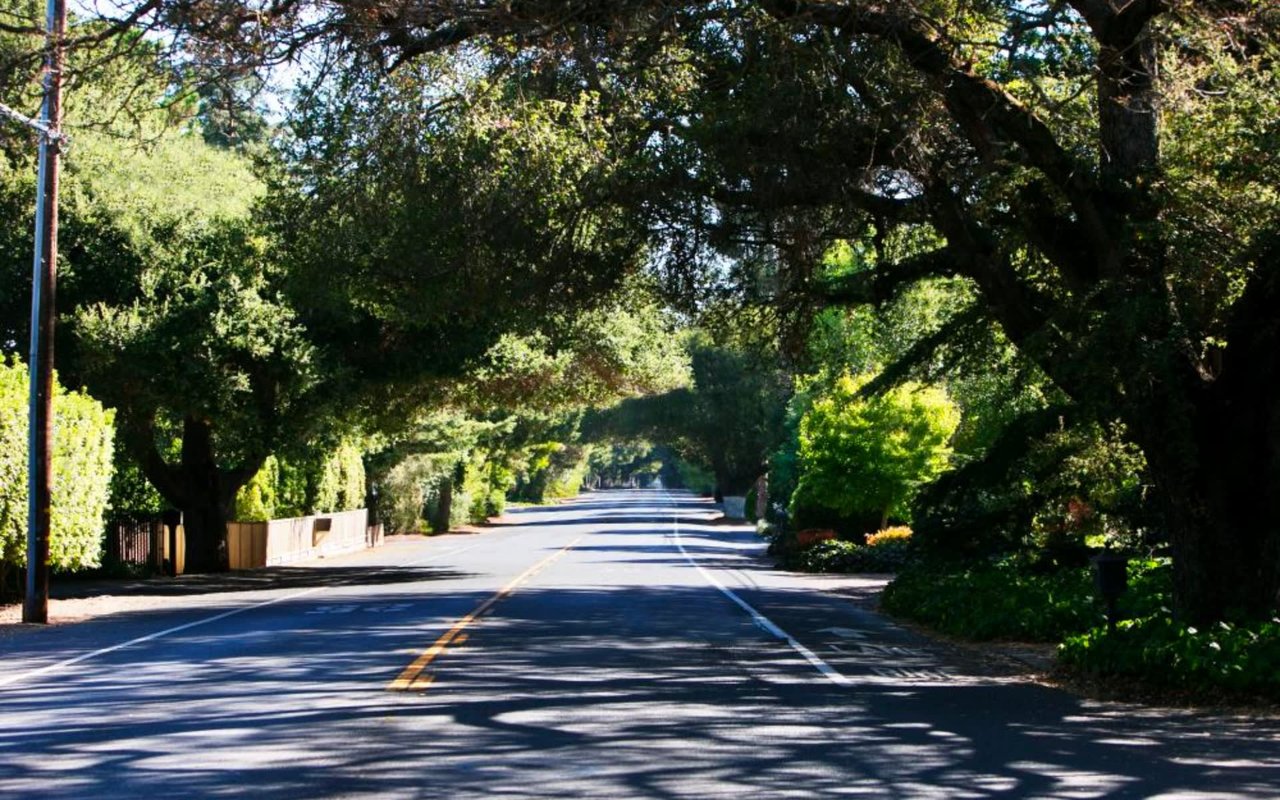
For buyers looking west of El Camino but not necessarily in the hills, the feel can still be more residential and green. The city describes some historic influence low-density areas near the San Carlos border and around Mt. Carmel as having tree-lined streets, notable architecture, and ample green space.
Daily Routine on the West Side
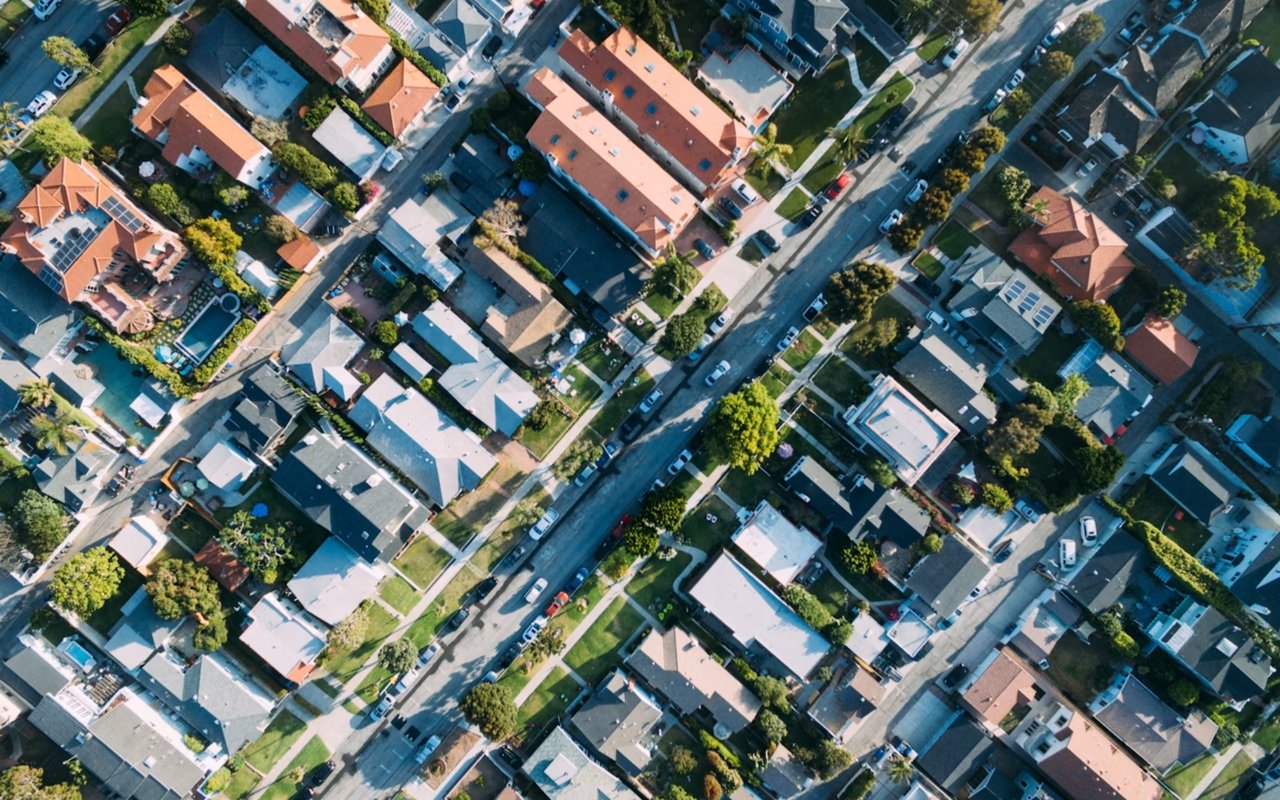
The biggest practical difference is how you move through the day. Many post-war neighborhoods in Redwood City were designed for cars, and the General Plan notes that interior areas often have limited pedestrian access to commercial services and everyday needs.
That does not mean every block functions the same way. Some corridor-adjacent areas are becoming easier to navigate on foot as the El Camino Real Corridor Plan encourages safer crossings, more pedestrian-oriented design, and better access to goods, services, transit, and entertainment.
Still, the overall pattern is clear. Compared with downtown, hillside and many west-of-El-Camino neighborhoods usually ask you to drive more often for errands, dining, and nightlife.
Downtown vs Hillside: The Lifestyle Tradeoff
For most buyers, this comparison comes down to rhythm. Downtown supports a lifestyle where dinner out, train access, events, and walkable blocks are part of the week. The hillside and west side support a lifestyle that feels quieter, more detached, and more rooted in residential streets.
Neither is inherently better. The better choice is the one that matches how you actually want to live.
Choose Downtown If You Want
- Easier access to Caltrain and bus service
- More walkable routines
- Dining and entertainment close to home
- A more active public realm around Courthouse Square
- A neighborhood setting that is likely to keep evolving
Choose Hillside or West-of-El-Camino If You Want
- A more settled residential environment
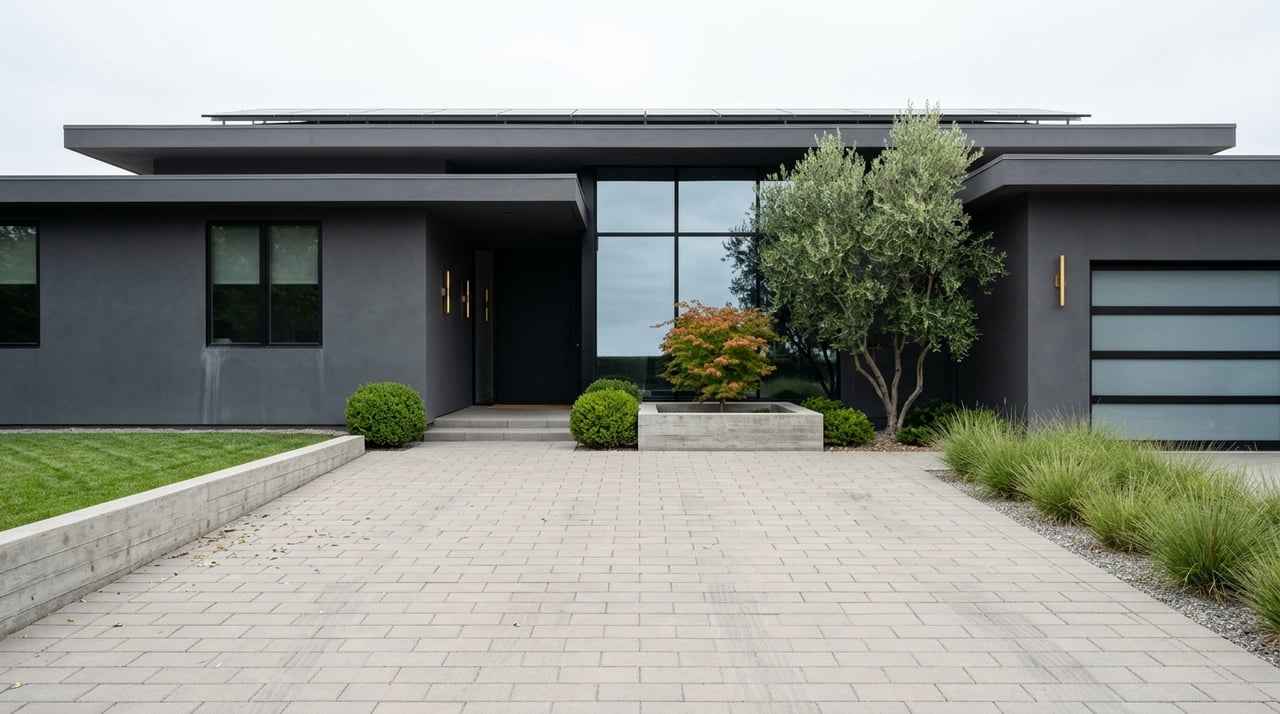
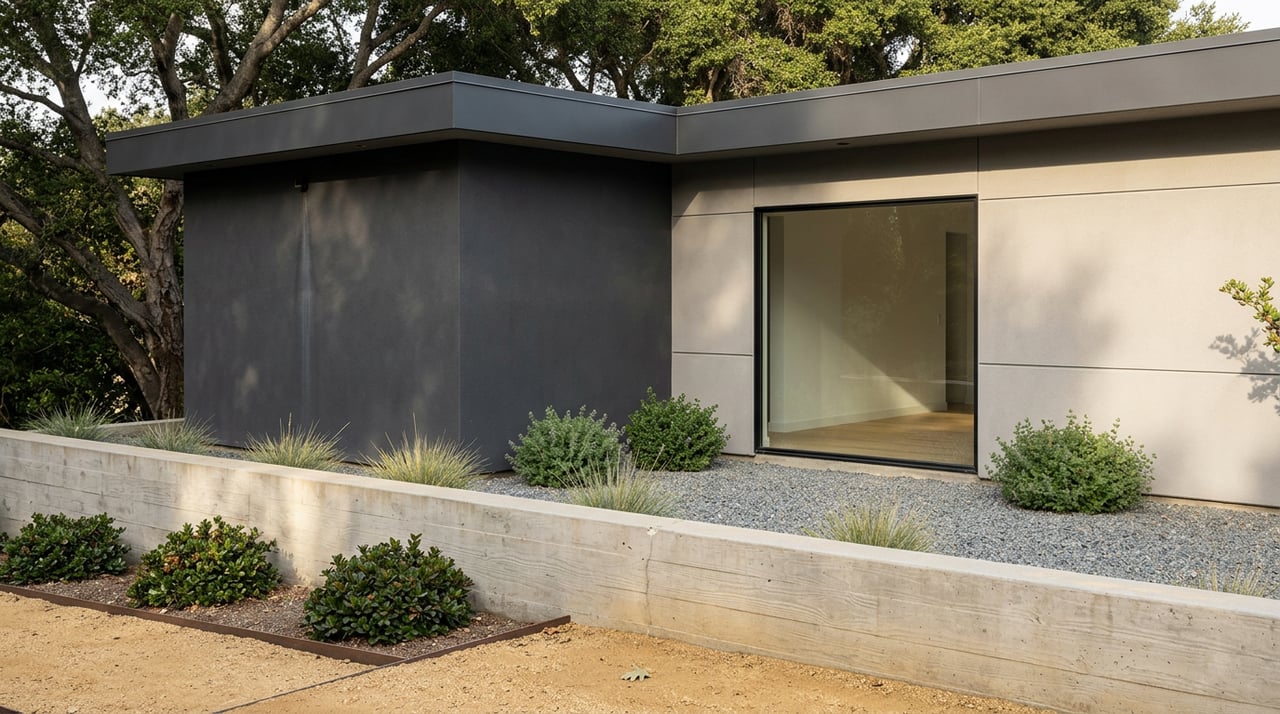
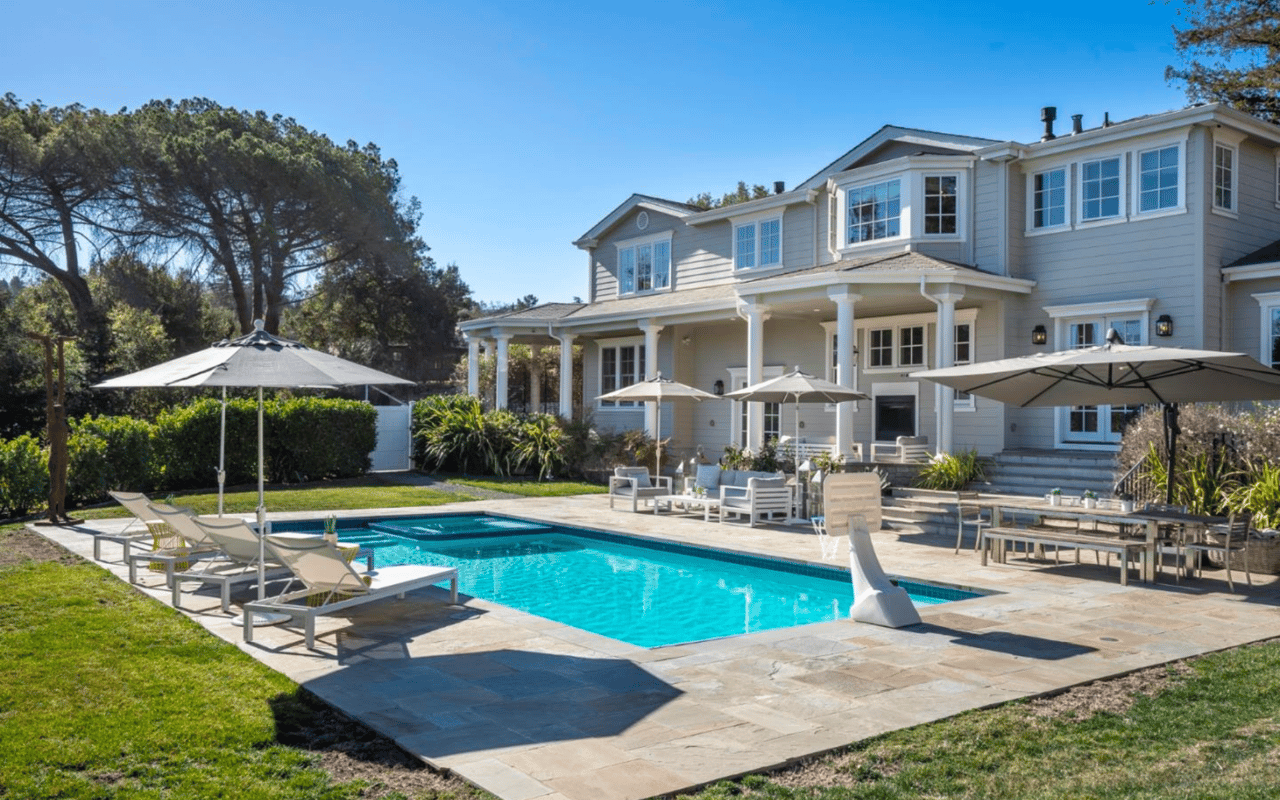
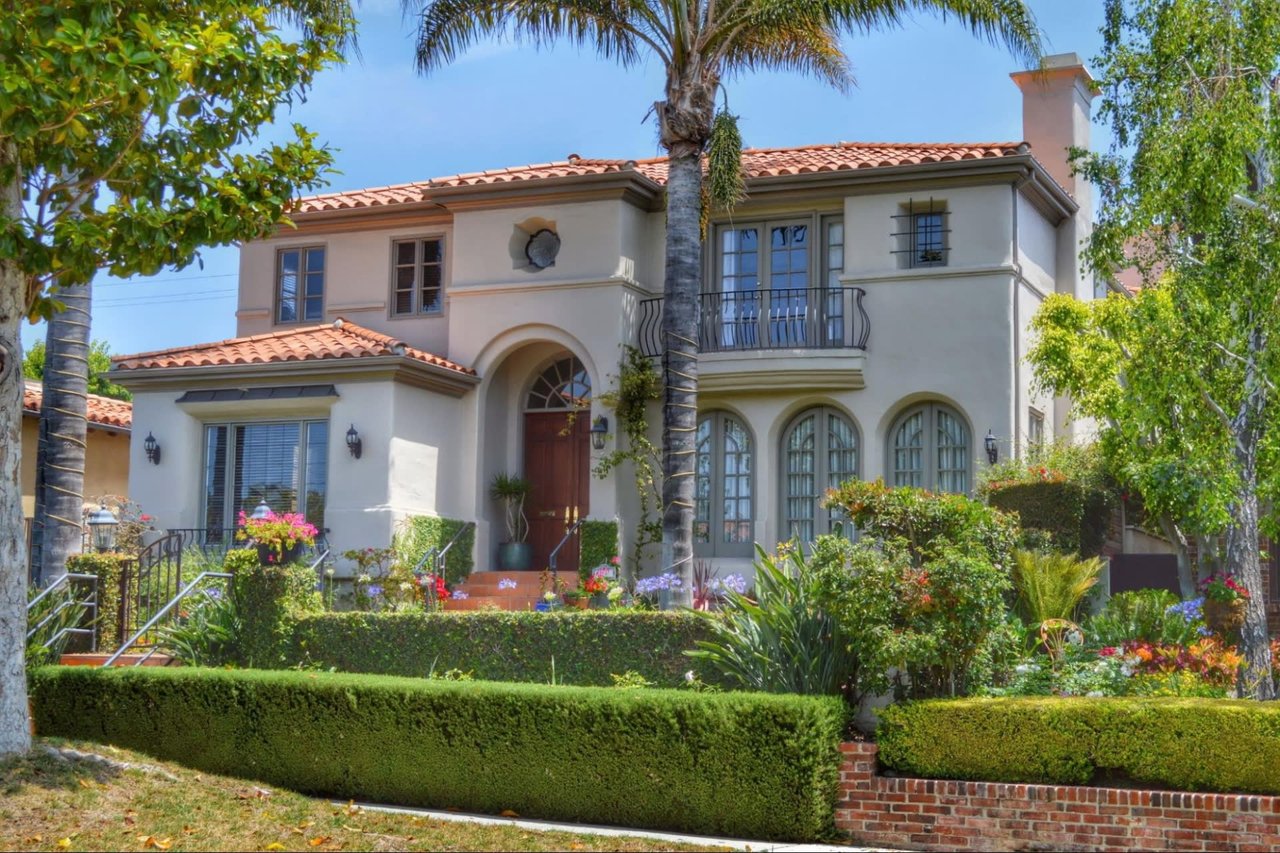
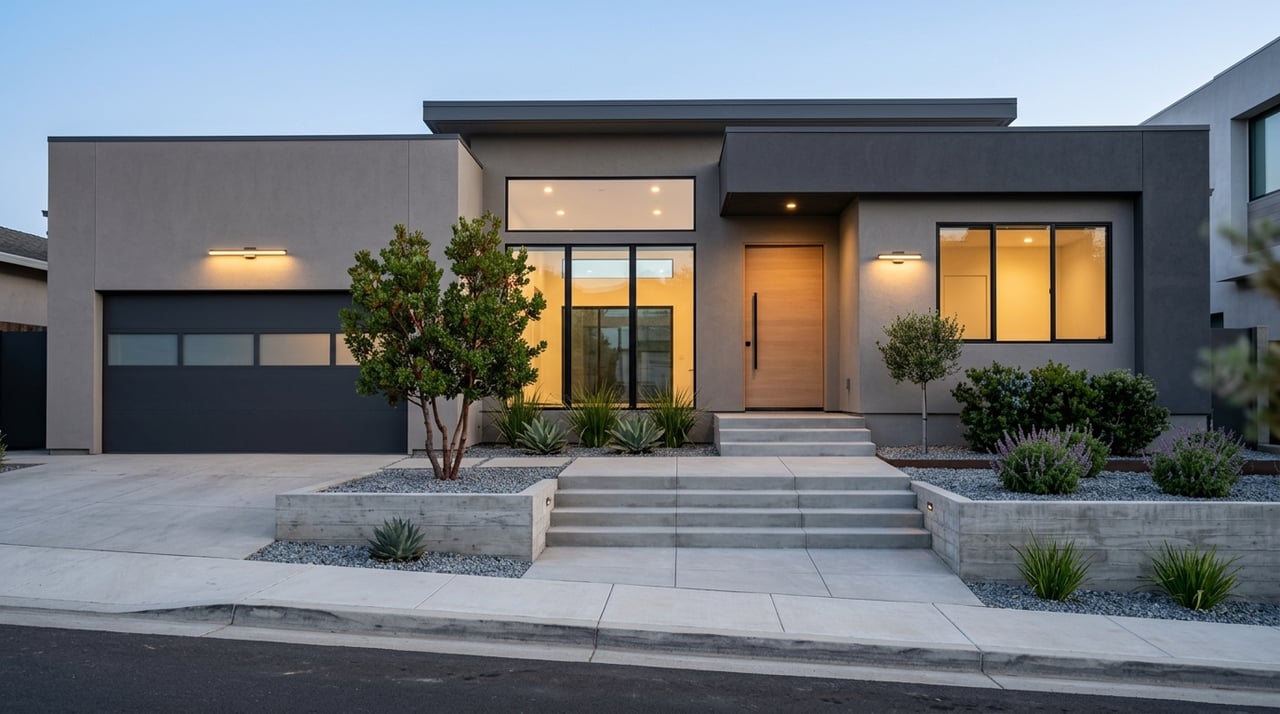
- Detached homes and lower-scale streetscapes
- More privacy in the day-to-day feel of home
- Driveway and garage parking that is often part of the property
- Less day-to-day intensity than the downtown core
Parking and Coming Home
Parking is one of the most overlooked quality-of-life differences in this comparison. Downtown offers managed public parking through garages, lots, and on-street spaces, which works well for an urban-style routine but feels different from pulling into your own driveway.
In hillside and many west-side neighborhoods, private garages and driveways are more common. That changes the cadence of daily life in subtle ways, from unloading groceries to heading out for school drop-off, work, or weekend plans.
Stability vs Change
Another useful lens is how much change you are comfortable living near. Downtown is the part of Redwood City most likely to continue evolving through planning updates, transit-area improvements, and redevelopment.
By contrast, hillside areas are generally more built out and expected to change less. If you value a setting that feels more established today and likely to stay relatively consistent, that can be a meaningful advantage.
What This Means for Buyers
If you are early in your search, it helps to think about your non-negotiables in real-life terms. Do you picture walking to dinner, catching Caltrain, and being close to events? Or do you picture a quieter street, a more tucked-away setting, and a home base that feels a little more separate from the city center?
In Redwood City, both options exist, but they do not deliver the same experience. The strongest move is to choose the environment that fits your everyday habits now, not just the image that sounds appealing on paper.
If you are considering a move in Redwood City and want a more tailored view of which neighborhoods align with your routine, design preferences, and long-term goals, connect with Campi Group. Their relationship-first approach brings clarity to the details that matter most when choosing where to live.
FAQs
What is the main difference between downtown and hillside living in Redwood City?
- Downtown is more transit-connected, walkable, and centered around restaurants, events, and public activity, while hillside living is generally more residential, lower-density, and car-oriented.
Is downtown Redwood City easier for commuting without a car?
- Yes. Downtown has the Redwood City Caltrain station, multiple SamTrans routes, and a street layout that makes it easier to build daily routines around walking and transit.
Do hillside neighborhoods in Redwood City change less over time?
- In general, yes. City planning documents indicate that hillside areas are expected to see less large-scale change, with future updates focused more on context-sensitive improvements.
Are west-of-El-Camino neighborhoods in Redwood City all the same?
- No. The west side includes several different neighborhoods, such as Edgewood Park, Farm Hill, Mt. Carmel, Redwood Oaks, Roosevelt, and Woodside Plaza, and each can feel different in layout, housing style, and access.
Which Redwood City area is better for restaurants and entertainment?
- Downtown is the city’s strongest option for dining and entertainment, with dozens of restaurants and a concentration of venues and event activity near Courthouse Square.
How does parking differ between downtown and hillside living in Redwood City?
- Downtown relies more on public parking systems such as garages, lots, and on-street spaces, while hillside and many west-side neighborhoods more often use private driveways and garages.