If you are drawn to quiet roads, larger parcels, and easy access to open land, Portola Valley stands out for a reason. This is a town where space is not an accident, and where privacy, trails, and natural scenery shape daily life in a very real way. If you are considering a move here, it helps to understand how that setting influences the homes, the rhythm of the community, and the practical side of ownership. Let’s dive in.
Why Portola Valley Feels Different
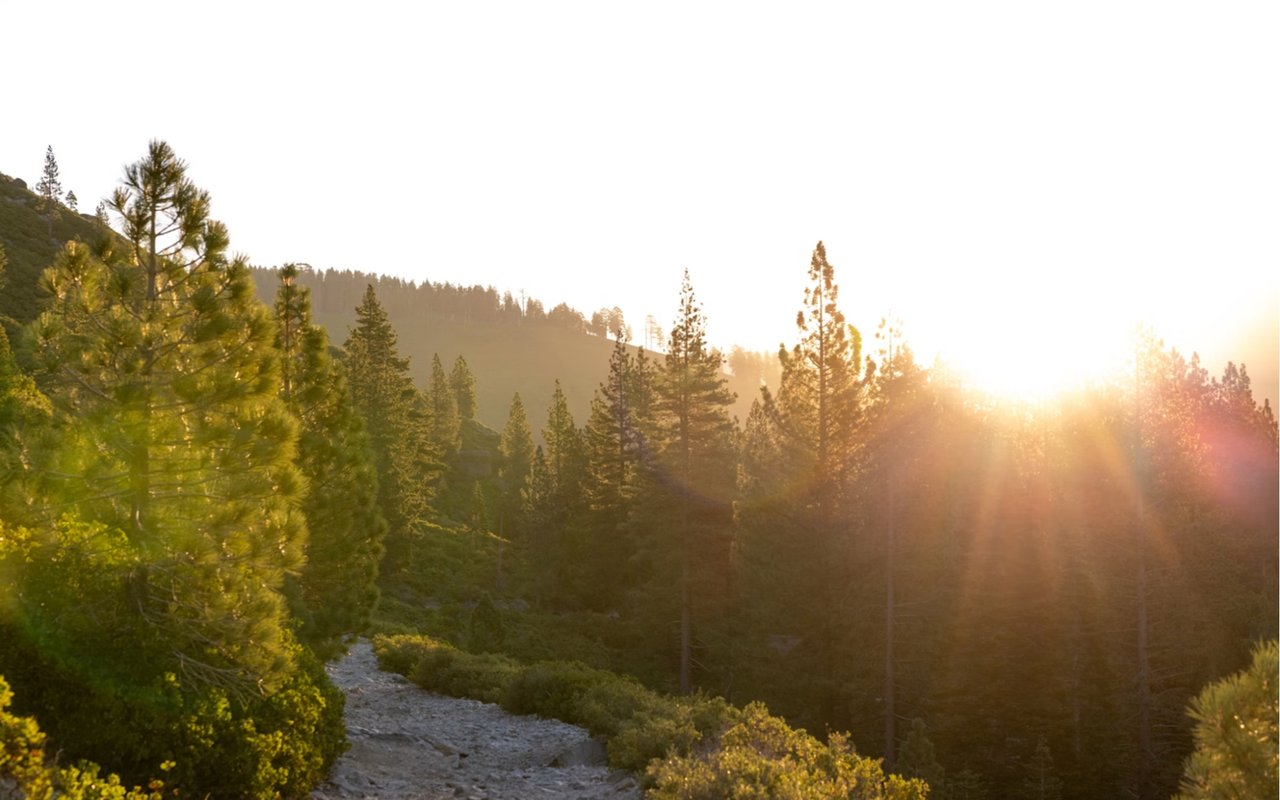
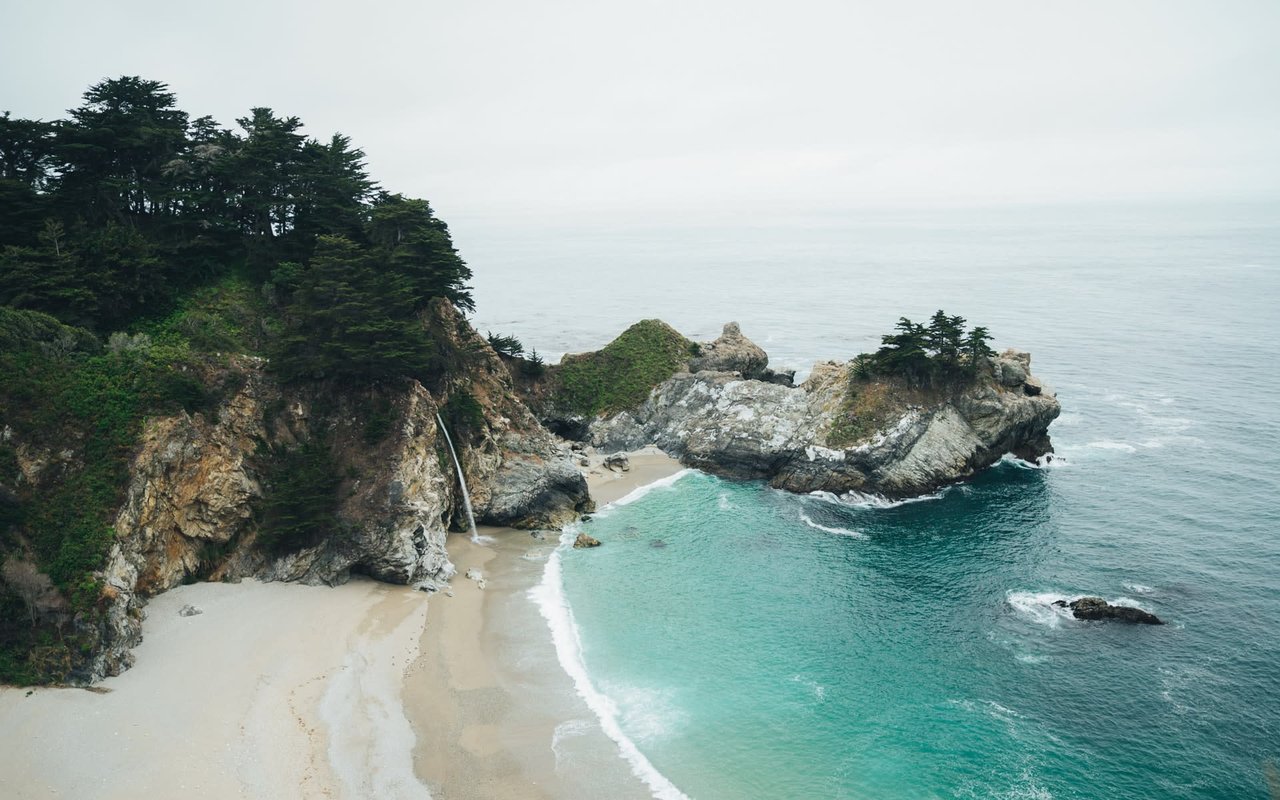
Portola Valley was designed to stay low in intensity and closely tied to its natural landscape. The town’s planning framework centers on open space, rural character, scenic views, and development that fits the land rather than reshaping it.
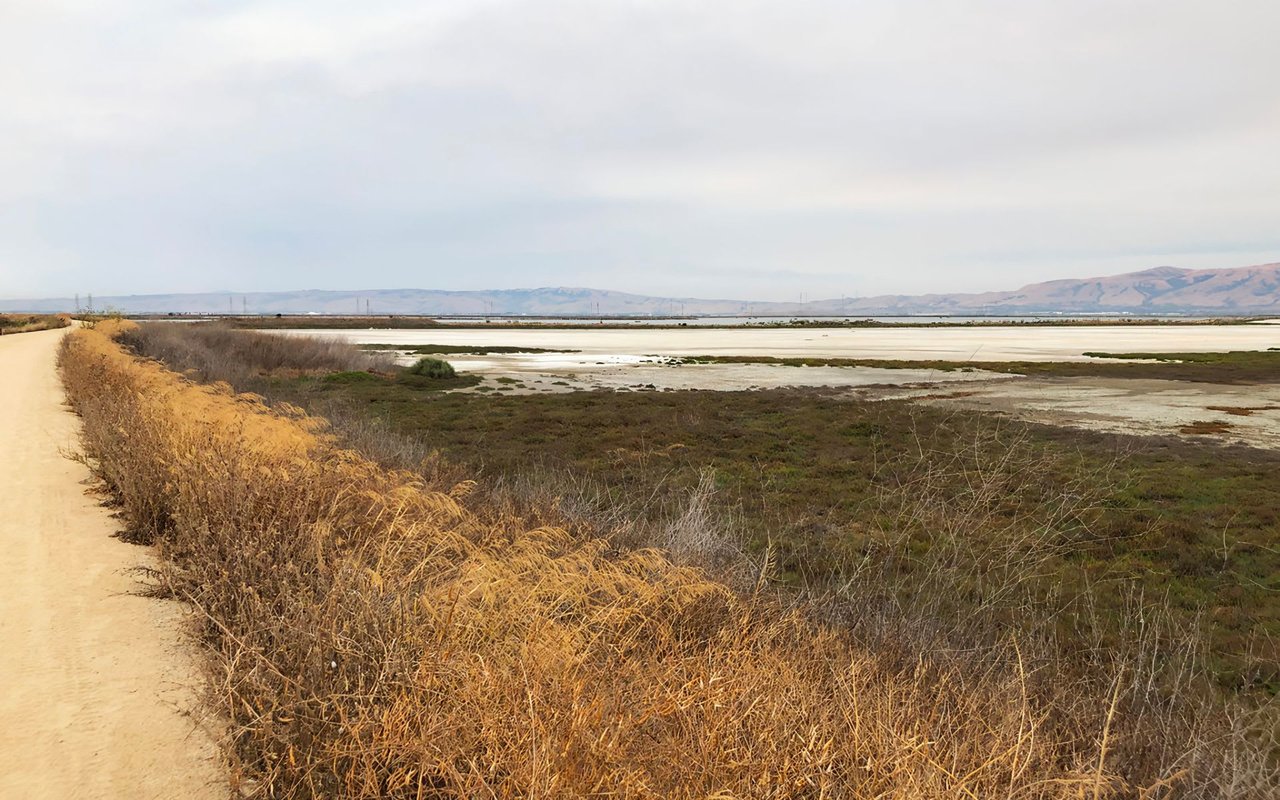
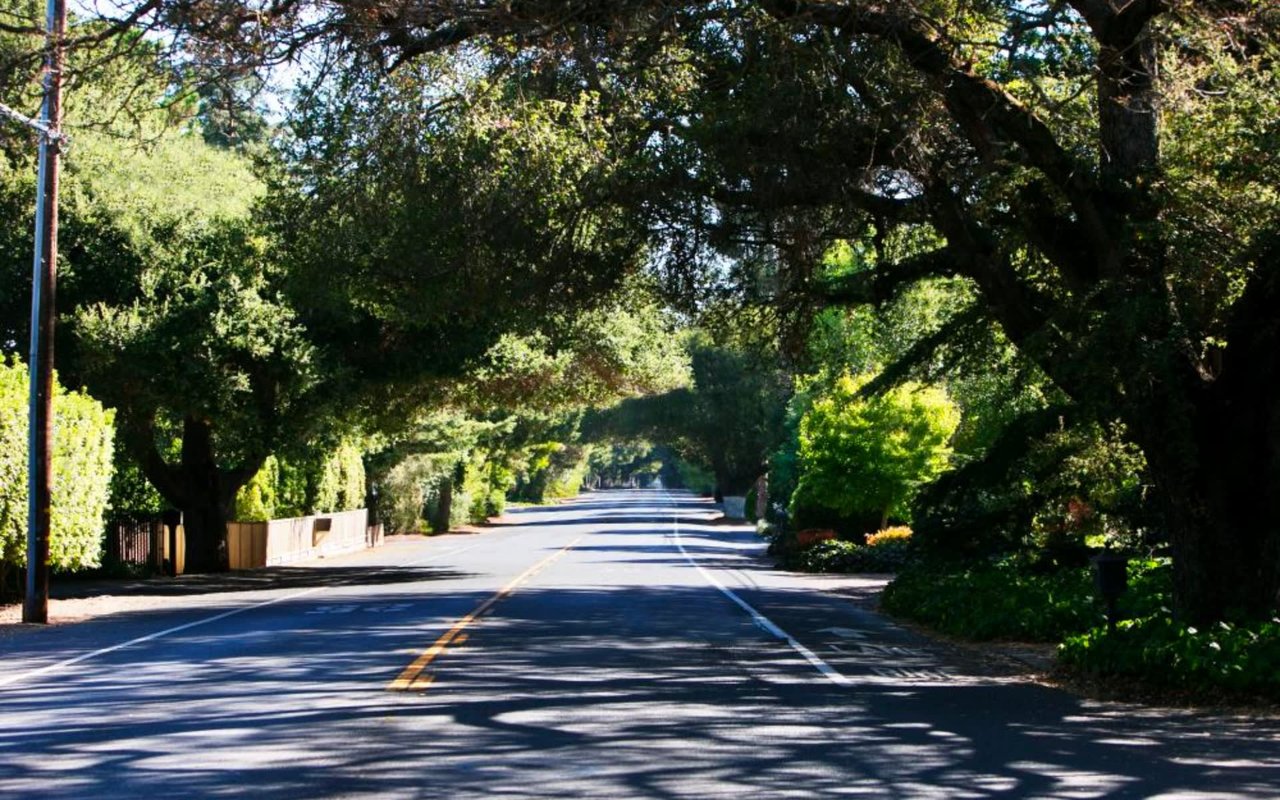
That intention shows up everywhere. Instead of a dense street grid or a strongly commercial center, you will find a more wooded, spread-out pattern with homes set into the landscape and open space preserved across town.
The General Plan also positions Portola Valley as a transition between more urban Peninsula communities and less intensive land uses to the west of Skyline. In practical terms, that helps explain why the town feels calm, spacious, and distinct from many nearby markets.
Space Shapes Everyday Living
One of the first things many people notice about living in Portola Valley is that the land itself plays a leading role. The town’s planning approach favors low-density residential development, especially on steeper hillsides and more sensitive terrain.
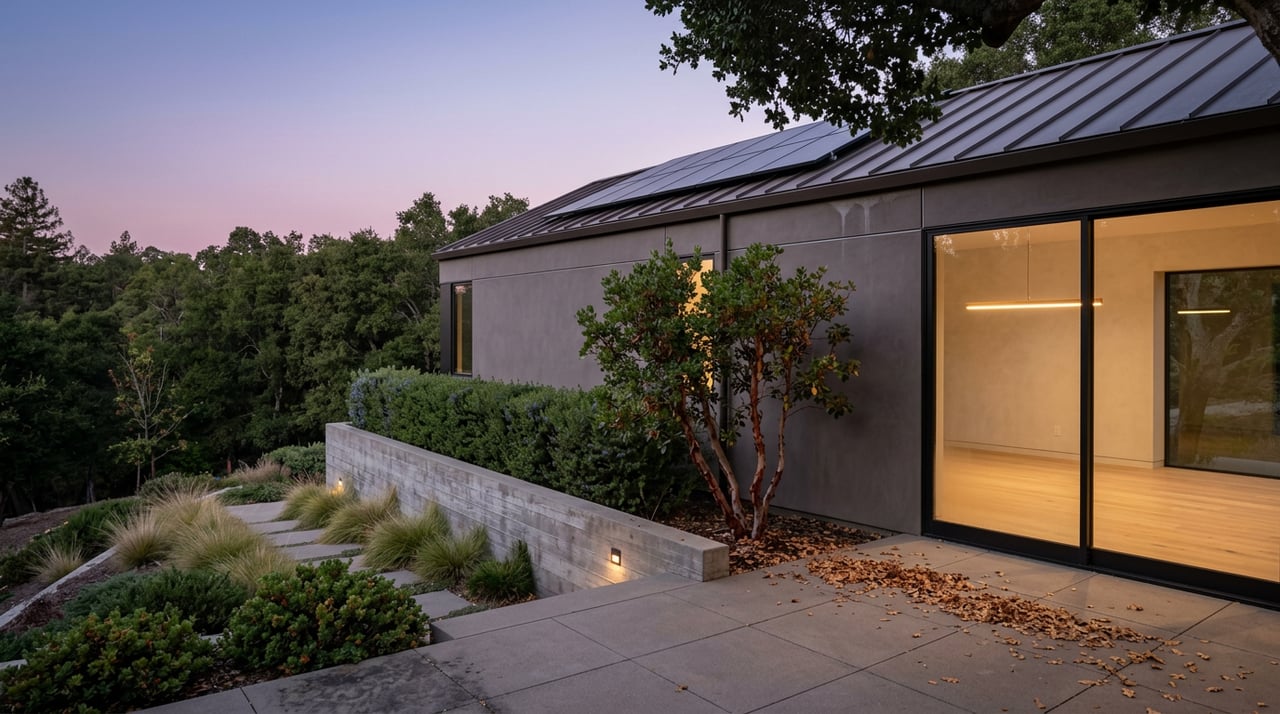
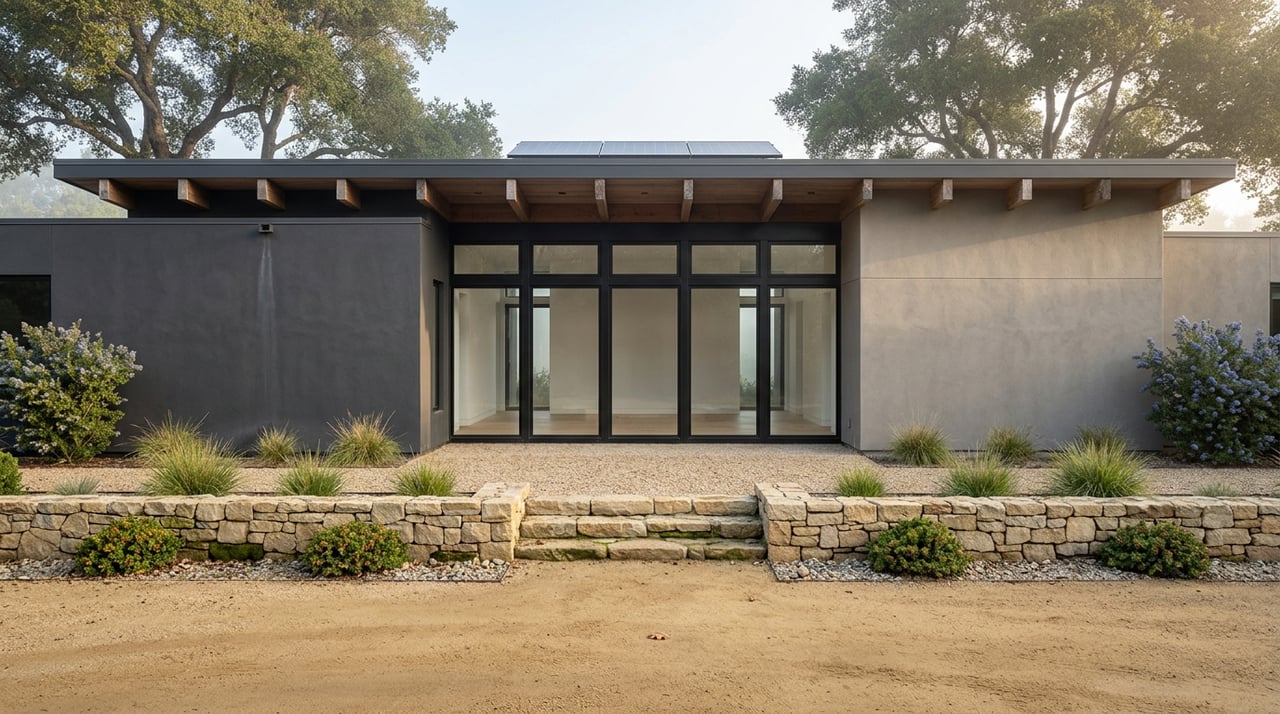
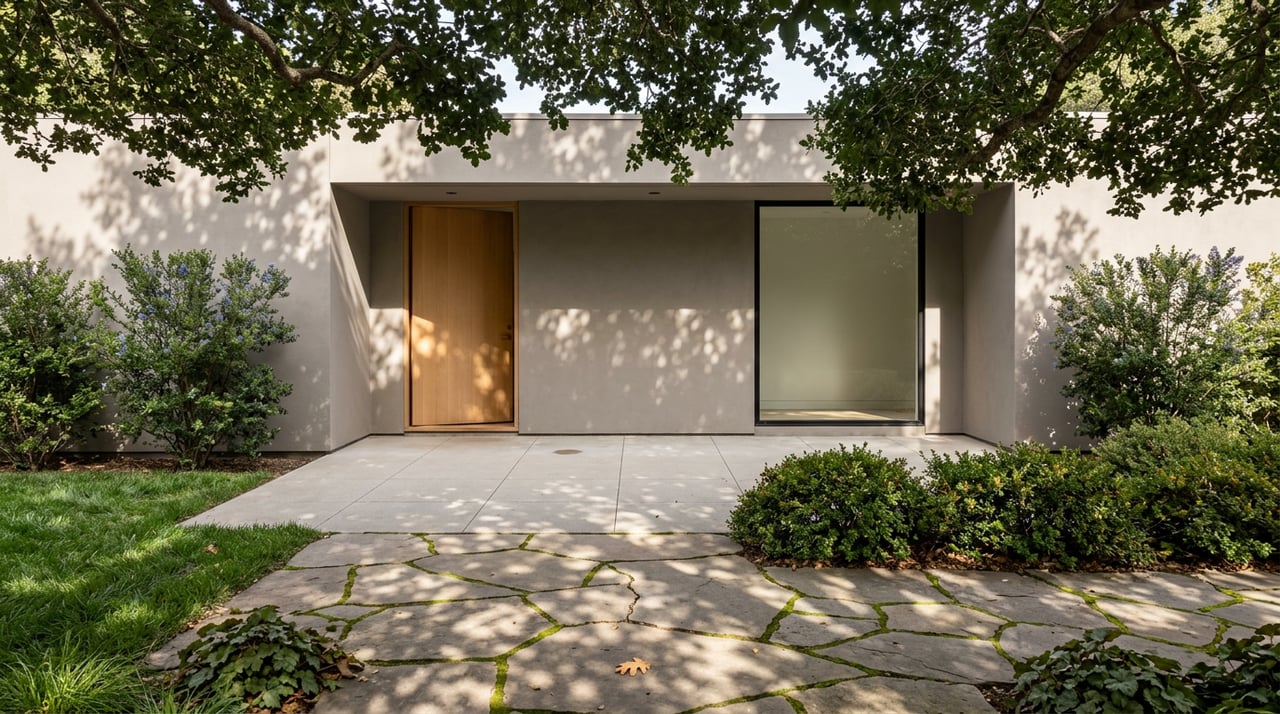
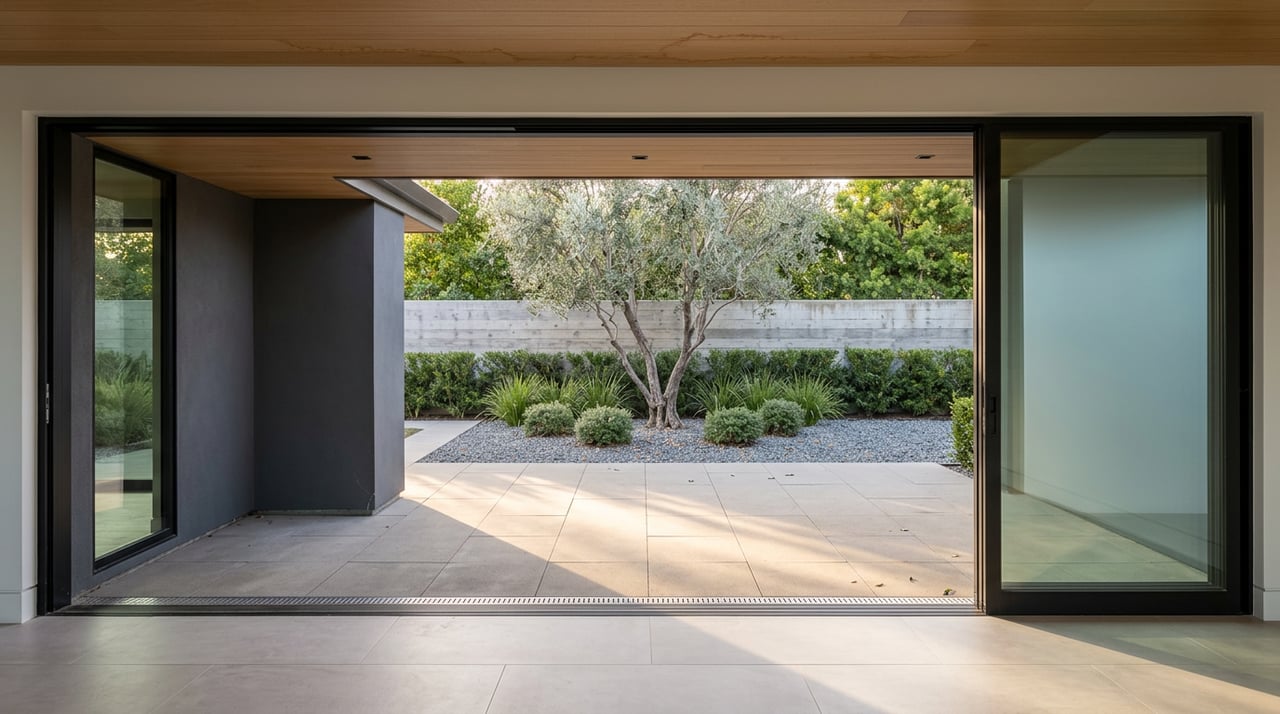
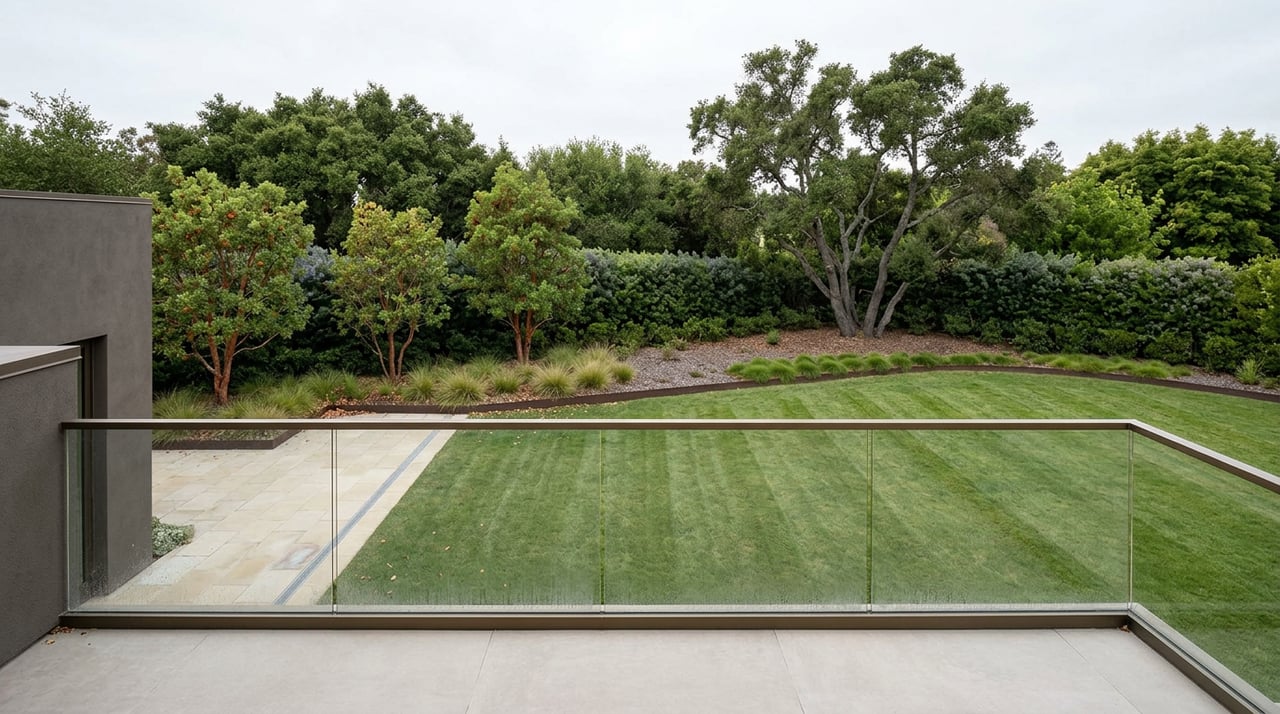
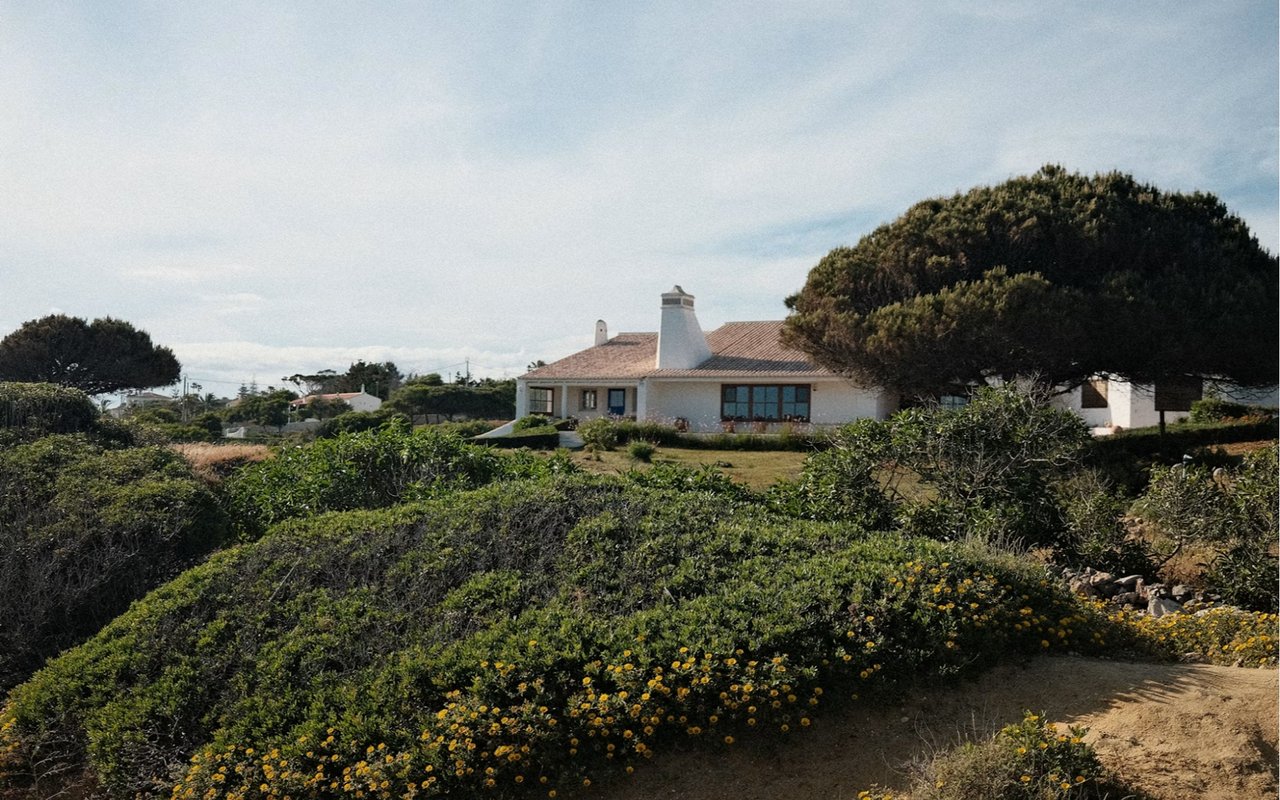
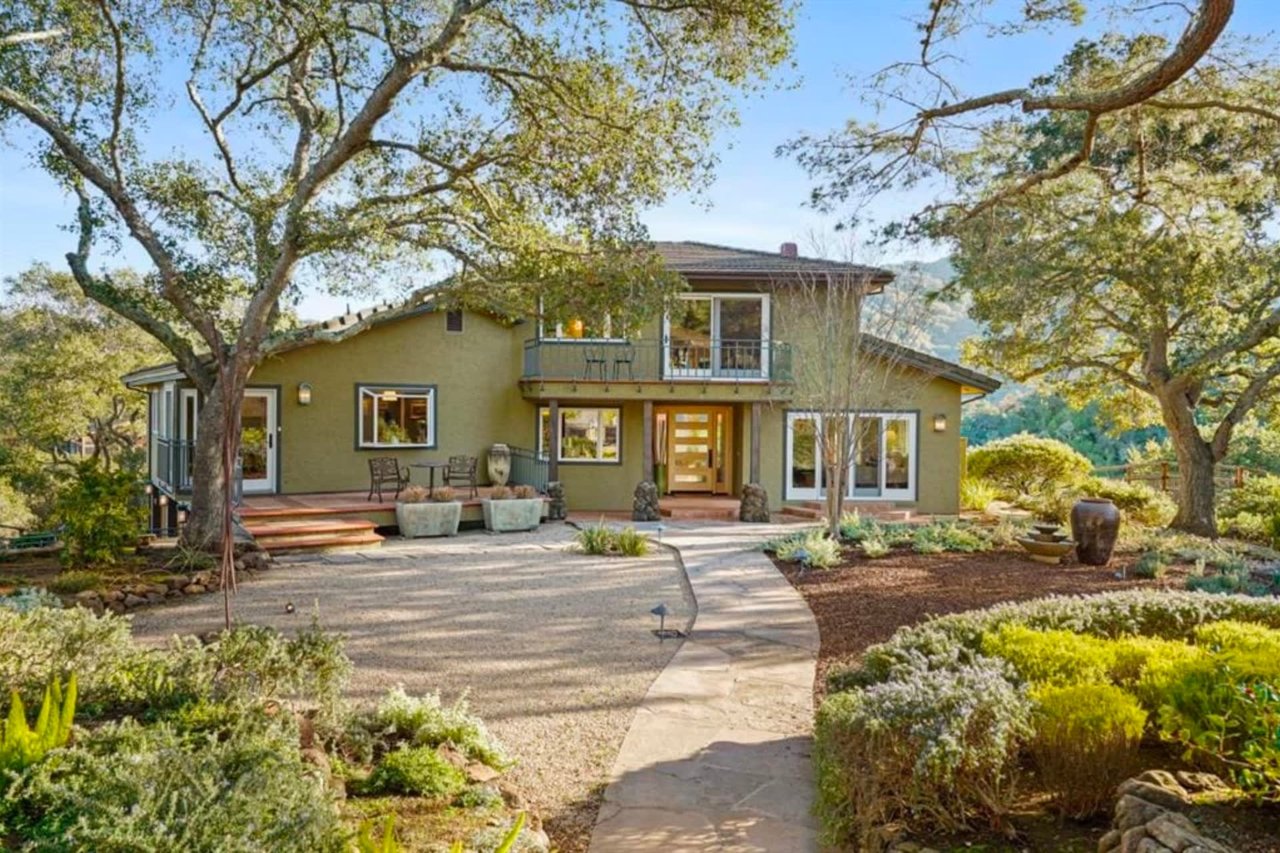
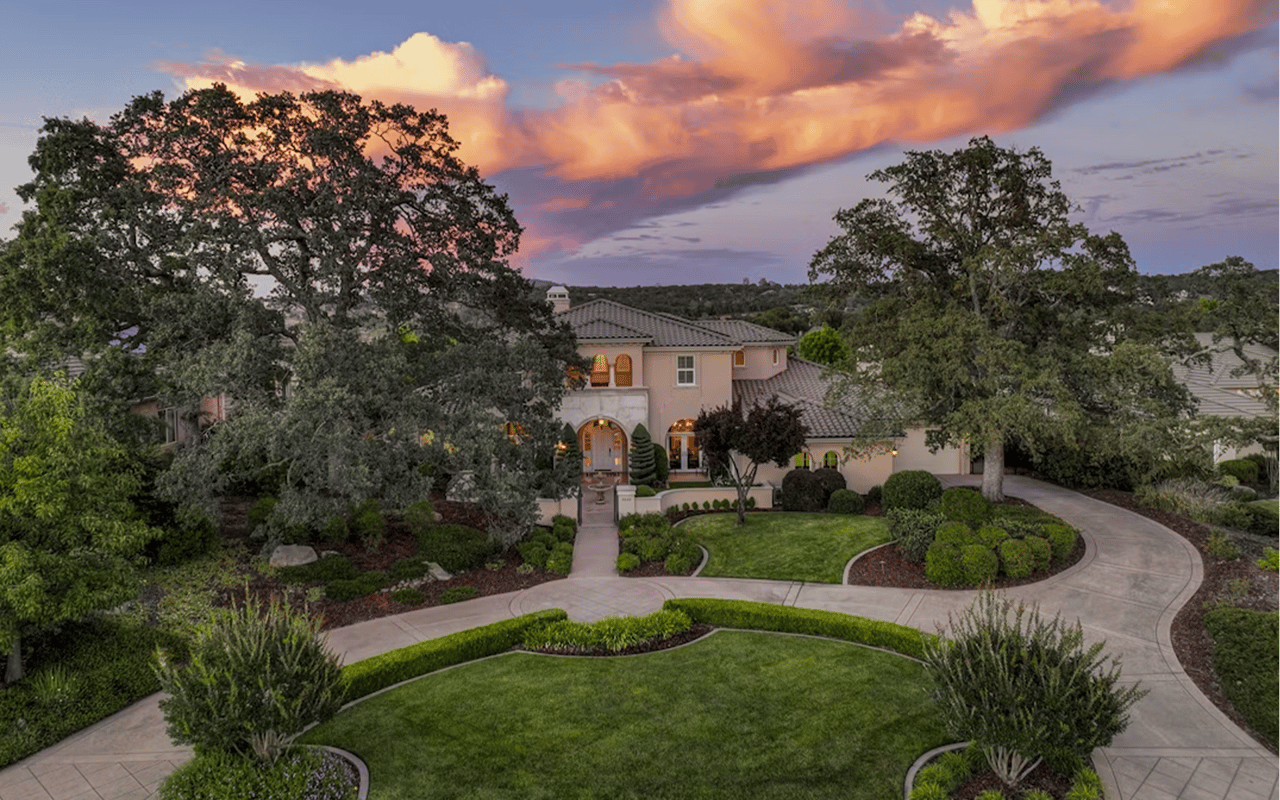
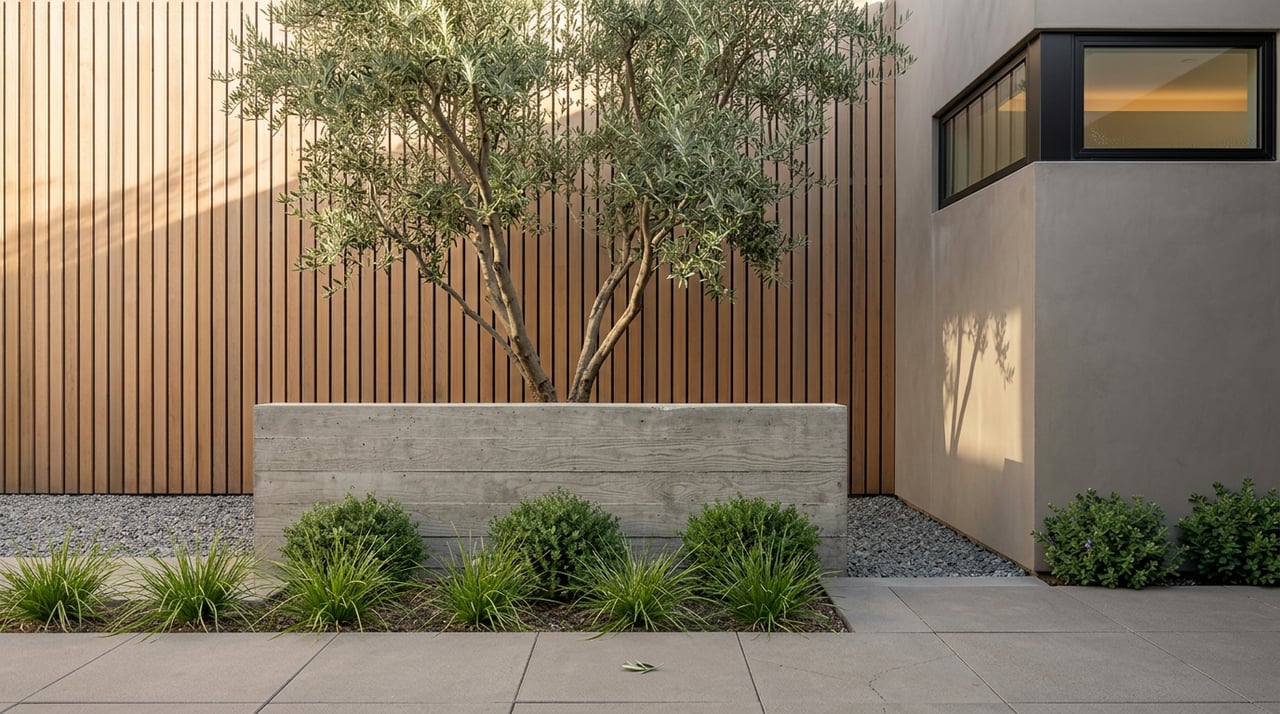
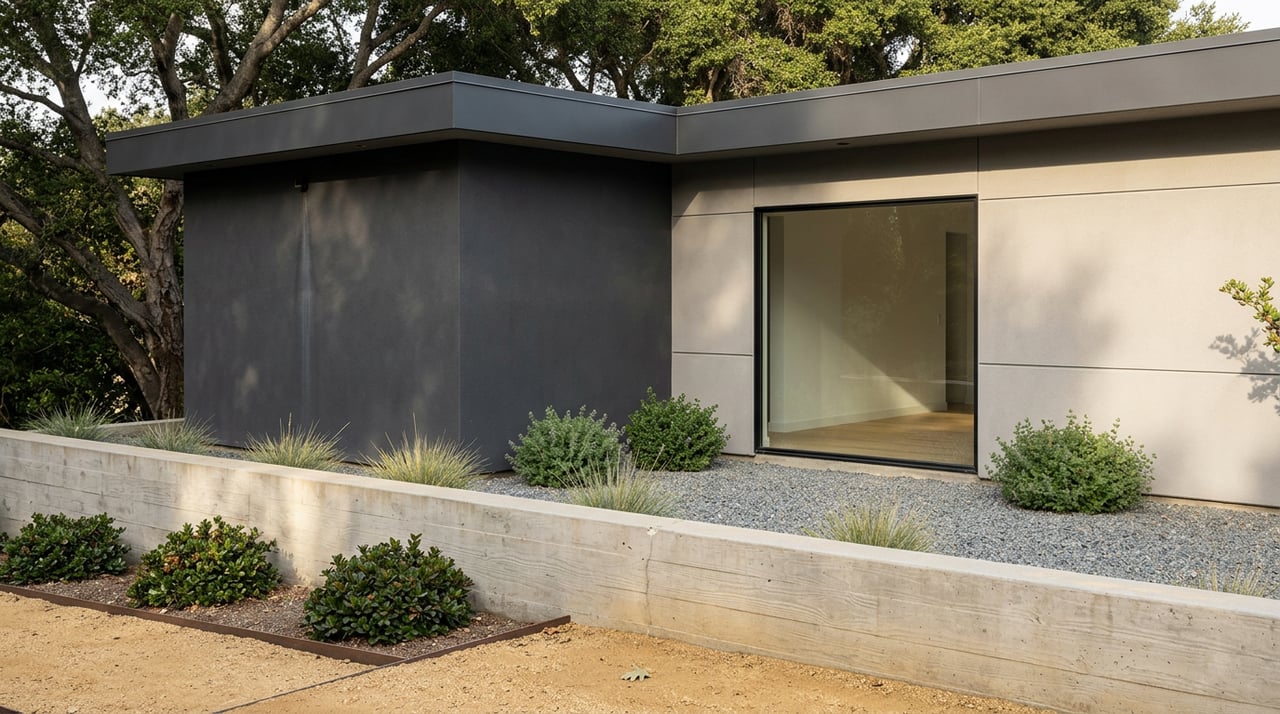
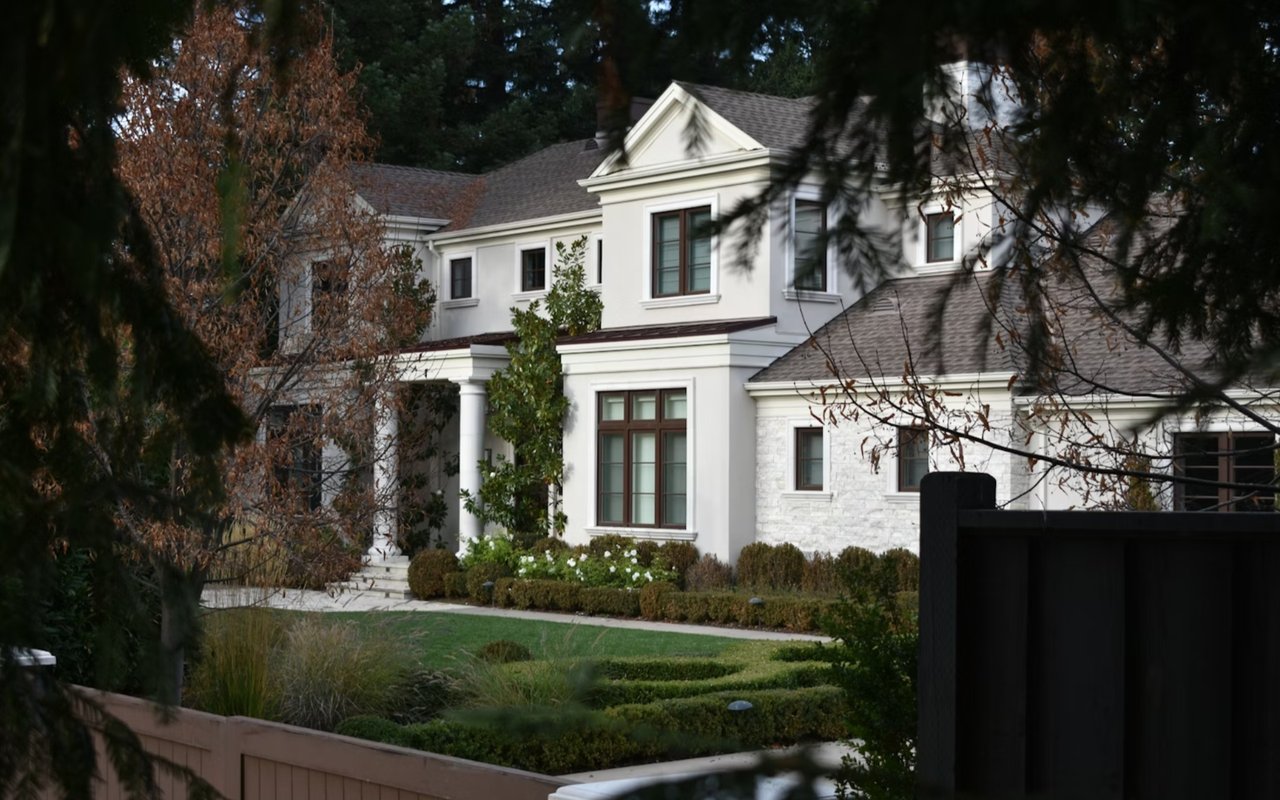
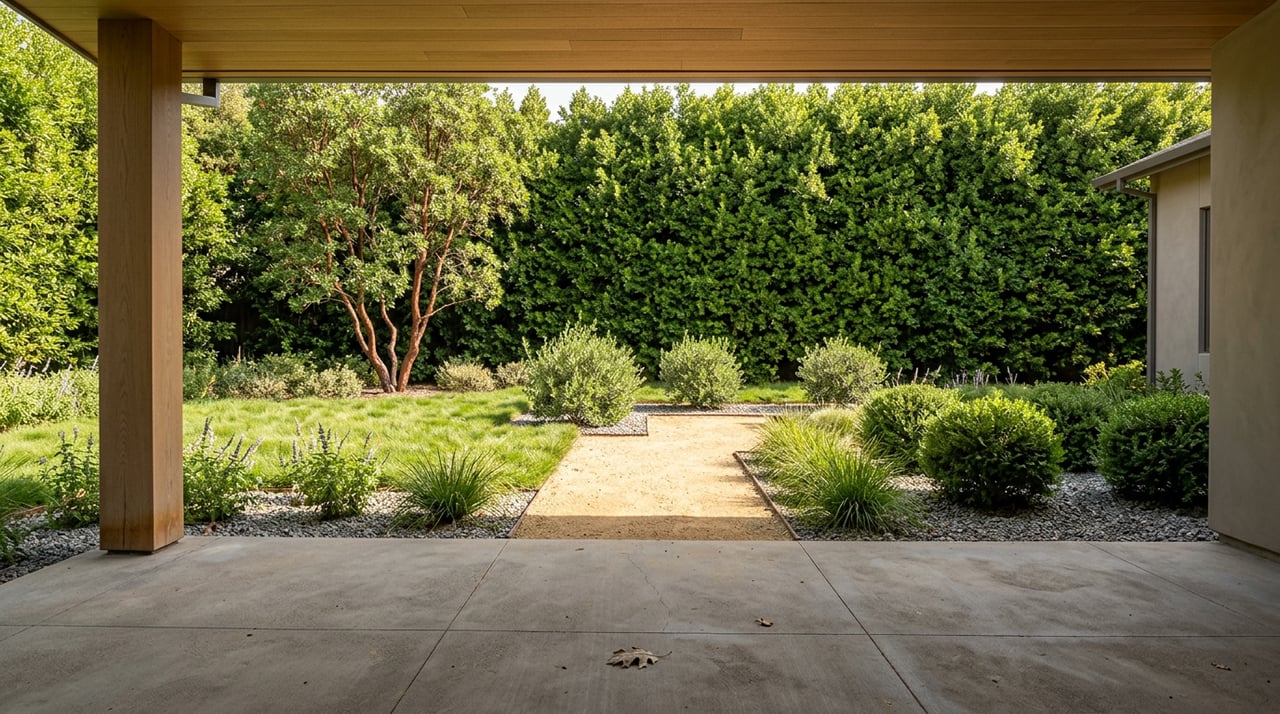
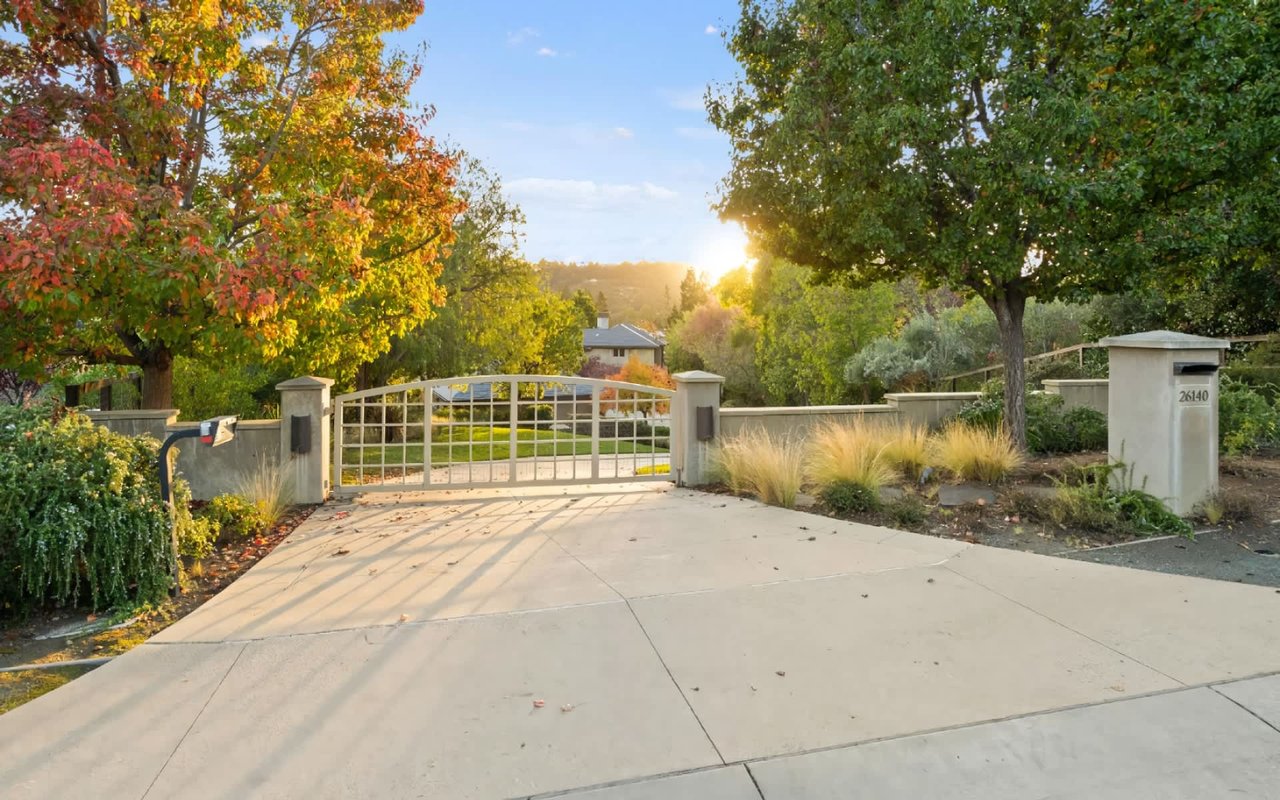
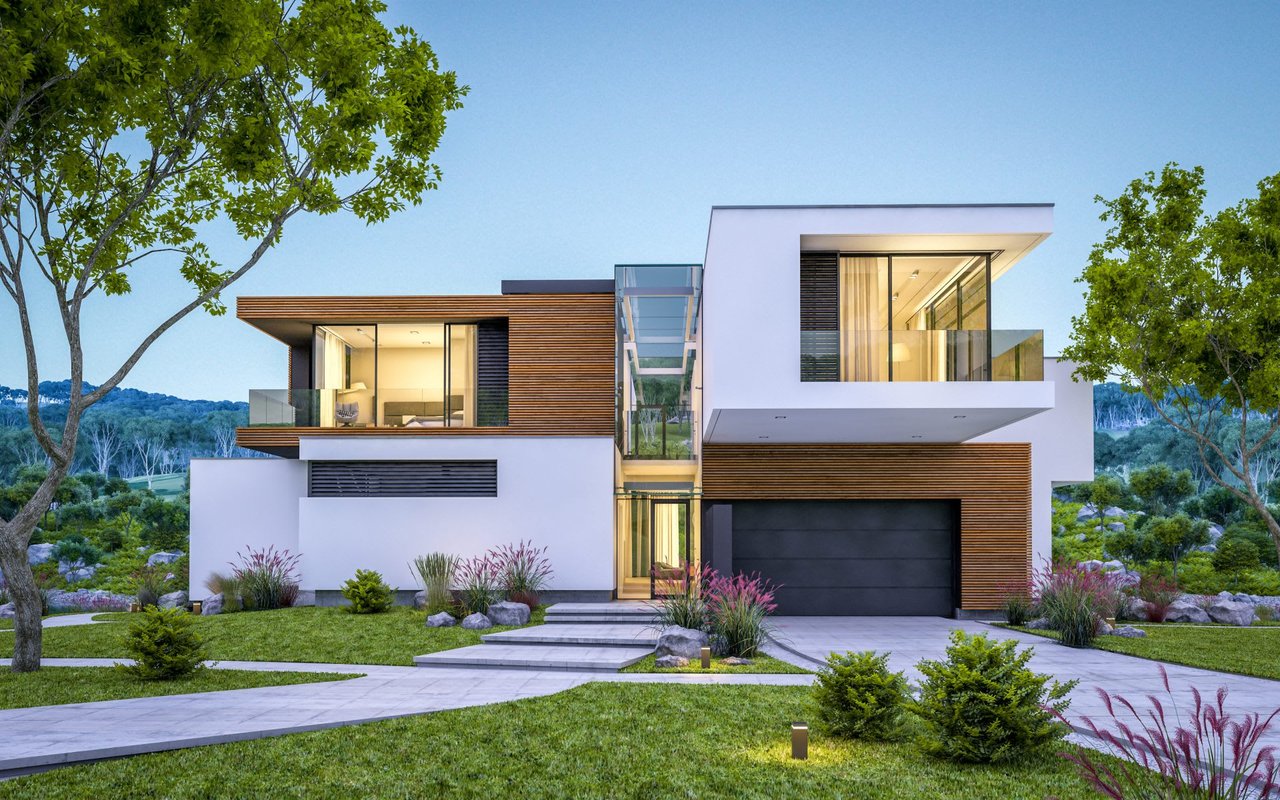
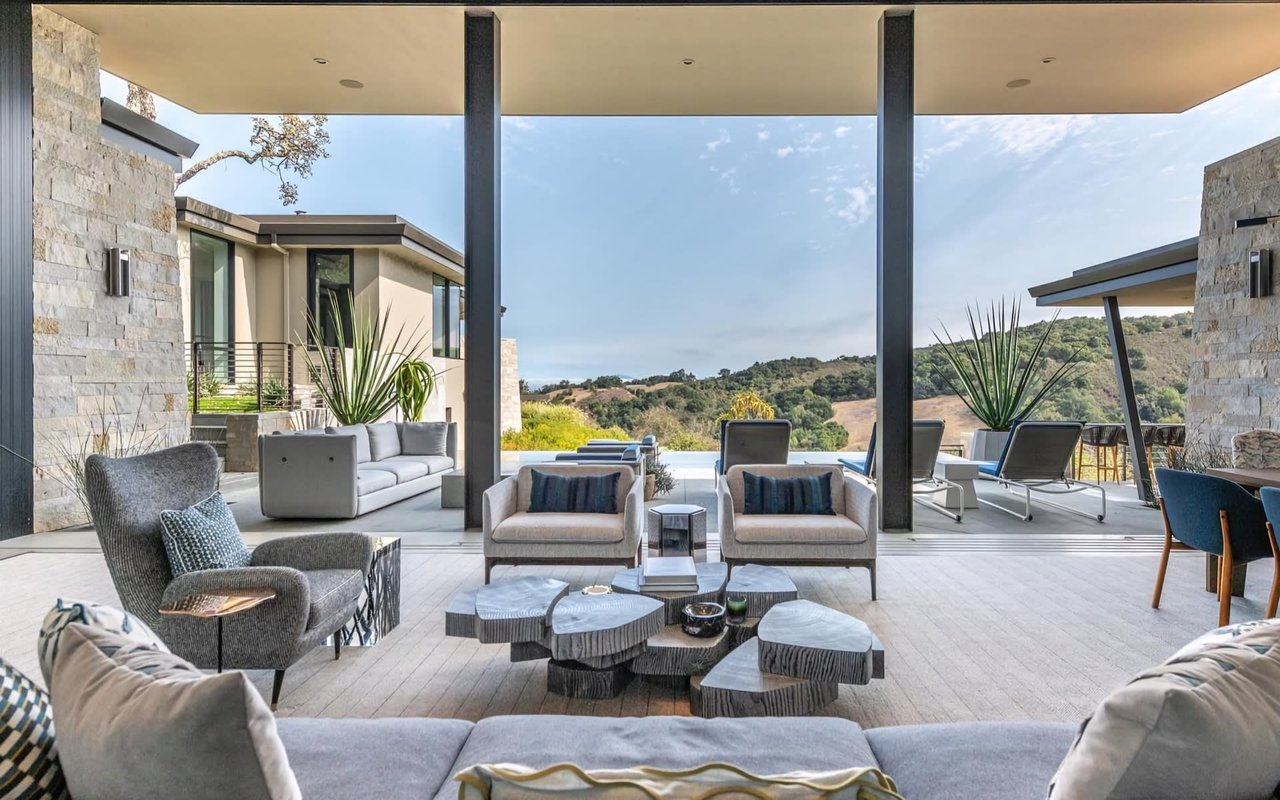
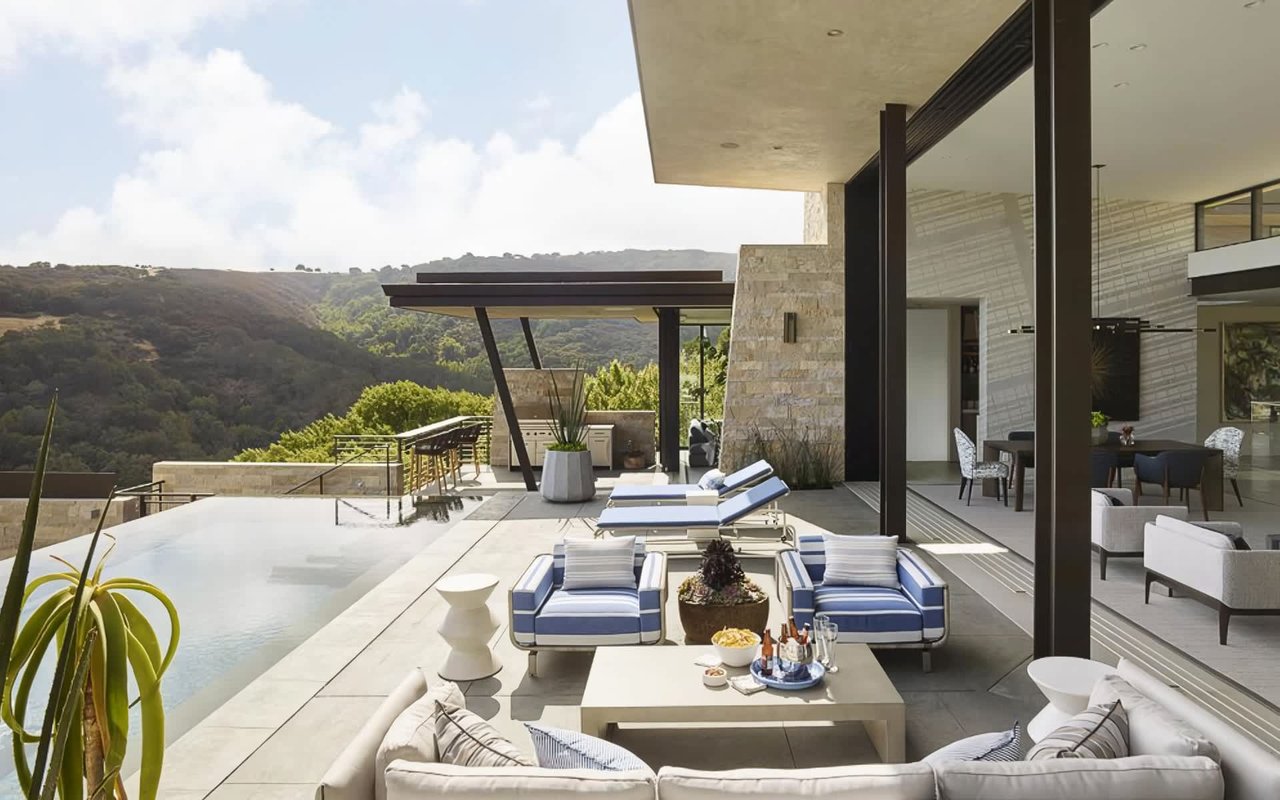
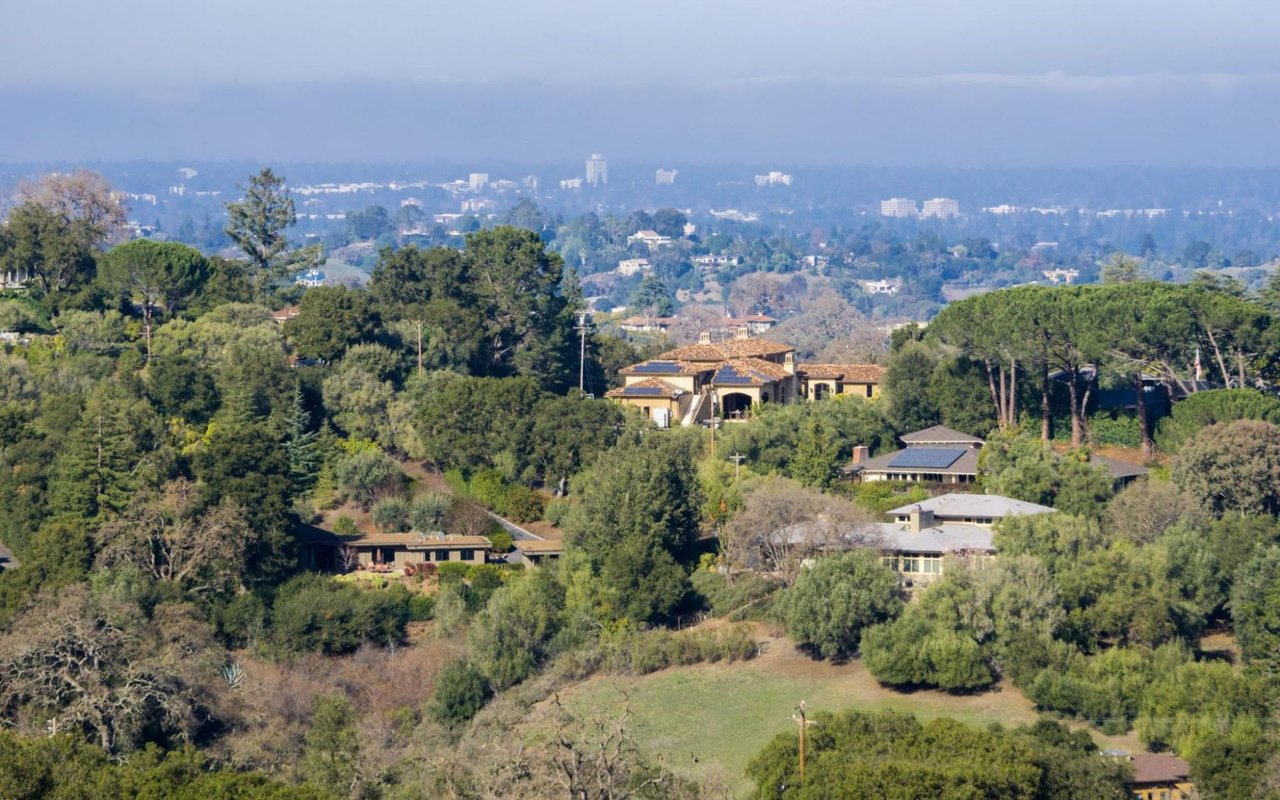
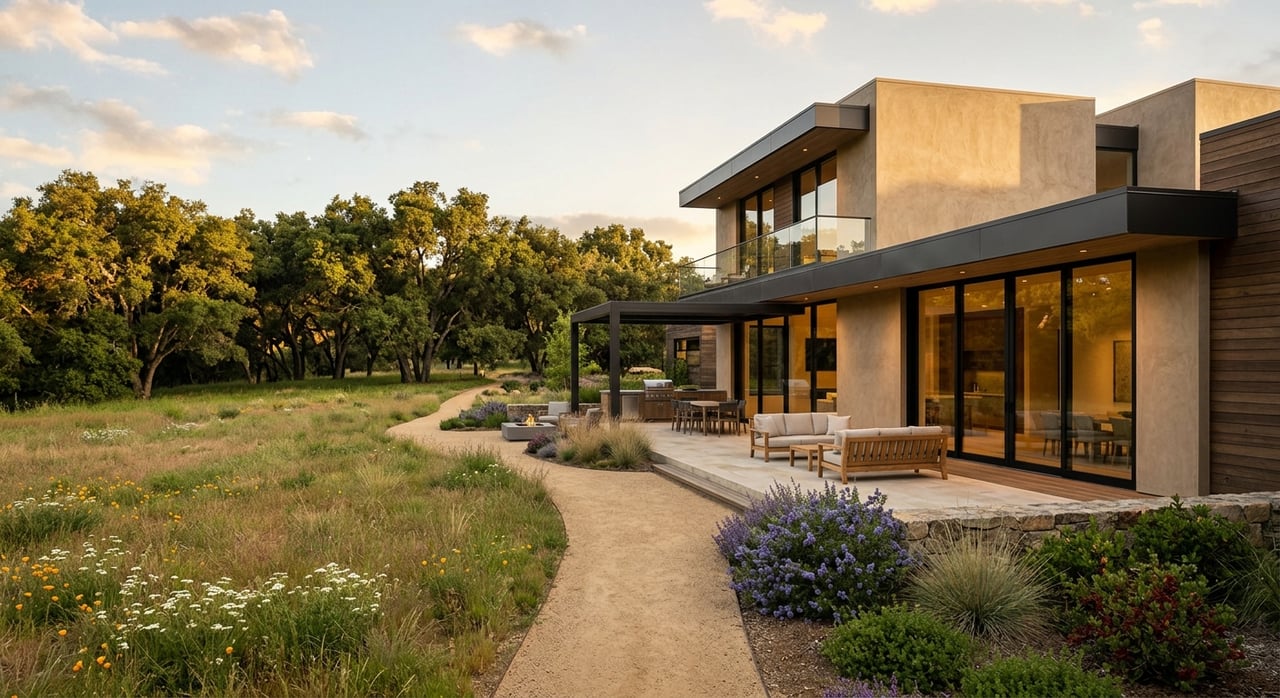
That means homes are often separated by larger lots, mature vegetation, and natural contours. The result is a setting that tends to feel private and estate-like, with a visual character shaped more by trees, slopes, and open sky than by tightly packed blocks.
For buyers, this can be a major part of the appeal. You are not just choosing a house. You are choosing a relationship to the land, the views, and the quiet that comes with a lower-intensity environment.
Trails Are Part of Daily Life
In Portola Valley, trails are not simply a weekend amenity. The town says it has nearly the same number of trail miles as road miles, which speaks to how central outdoor access is to everyday life.
That network connects residents to local destinations and preserved land in a way that feels integrated into the community. The town also points to maps for area trails, school connections, Town Center access, and nearby open space destinations.
This trail culture has been built and maintained for years by volunteers, which reflects a long-standing local commitment to stewardship. For many residents, a walk, ride, or ride-to-trailhead routine is a normal part of the day.
Windy Hill and local open space
Windy Hill is one of the best-known nearby preserves for Portola Valley residents. Midpen describes it as a 1,414-acre preserve with grassland ridges and forests, with trail access from Portola Road and overflow parking at Portola Valley Town Center.
Trail use there is structured by designated-trail rules. Hiking, biking, equestrian use, and dog access are all allowed in specific ways, which helps preserve the landscape while keeping it accessible.
Closer in, Spring Down Open Space shows how conveniently nature can fit into ordinary life here. The town describes it as a 6-acre open space with a one-third-mile loop trail, meadow views, a pond, and access from the Portola Road Trail and Town Center area.
Open space is long-term policy
Portola Valley’s rural feel is not simply the result of geography. The town’s open-space history notes that residents have preserved seven significant open spaces within town boundaries over time, including Windy Hill, Spring Down, Coal Mine Ridge and Blue Oaks Trails, Frog Pond, and Dorothy Ford Park.
That long view matters if you are thinking about long-term ownership. It means the character people value here has been actively protected, not left to chance.
Homes and parcels in Portola Valley
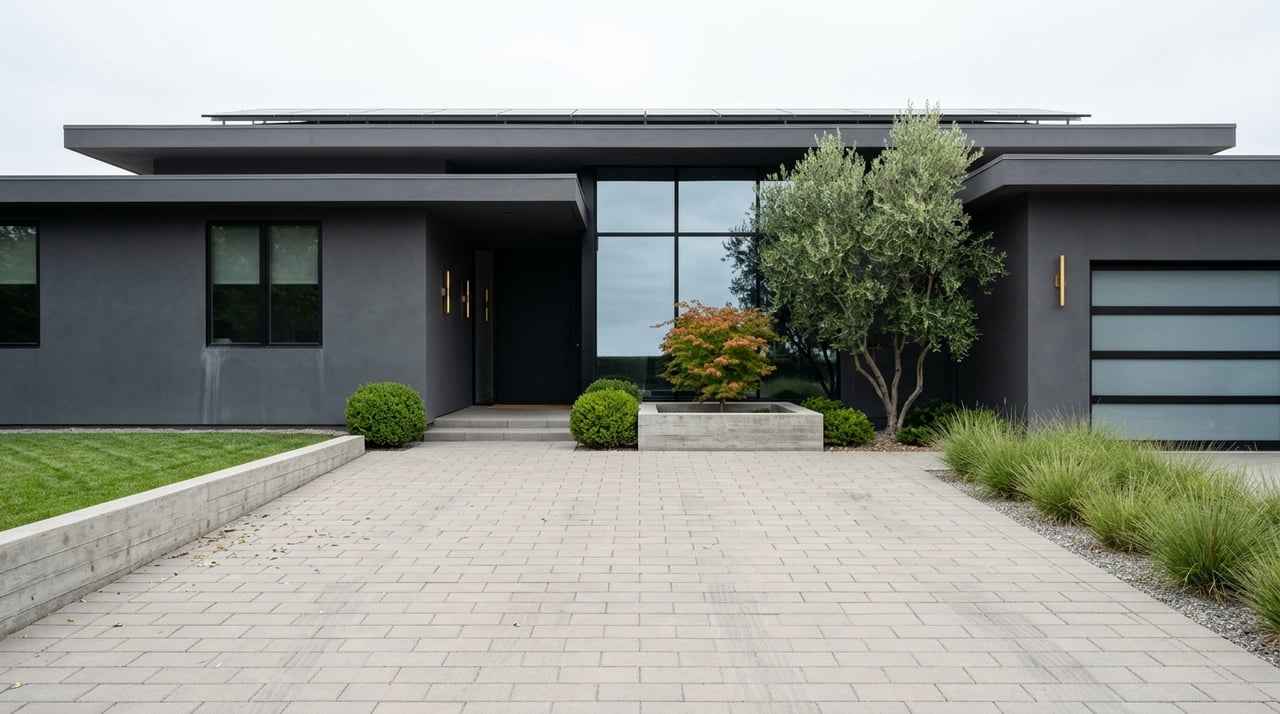
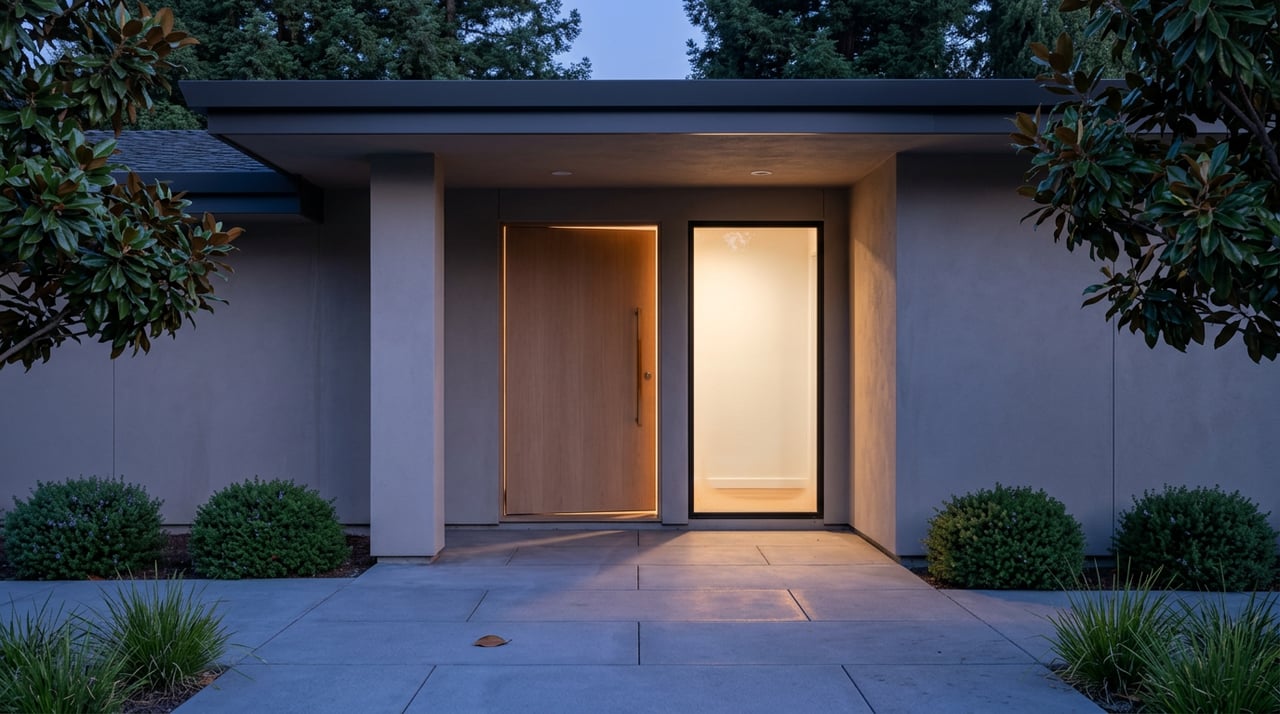
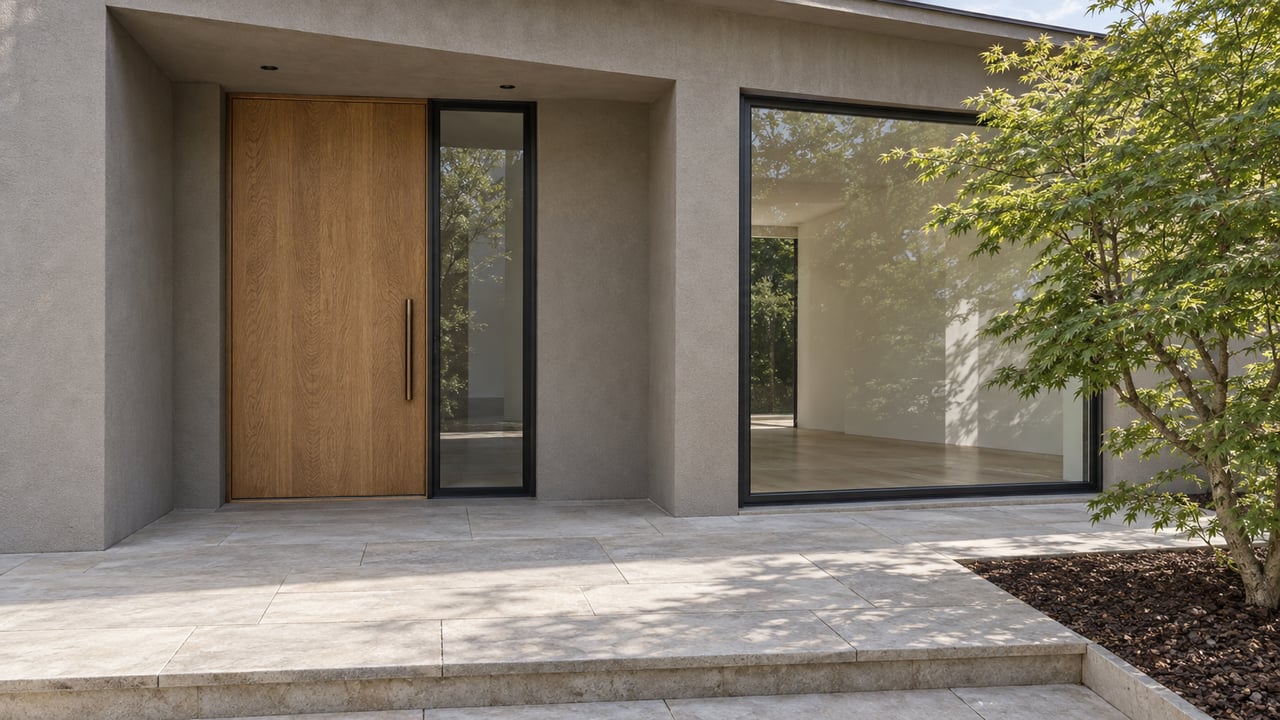
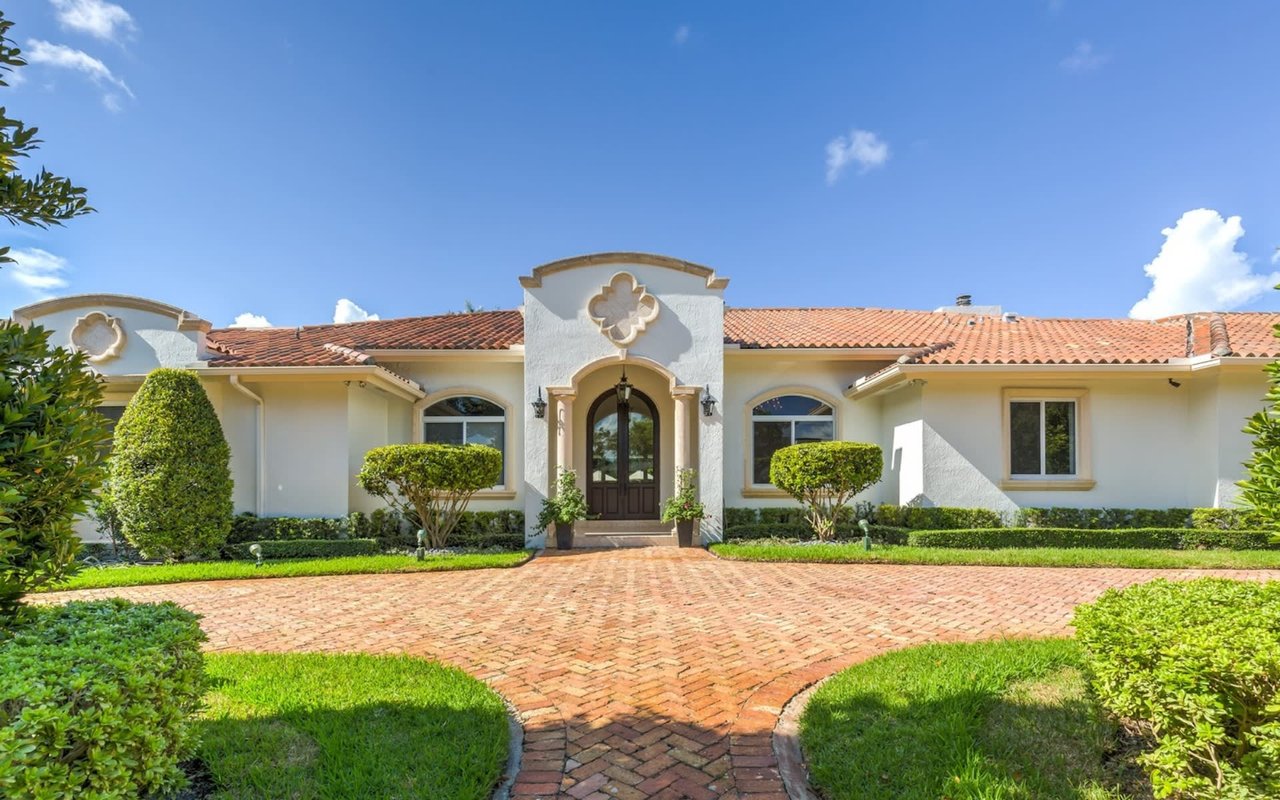
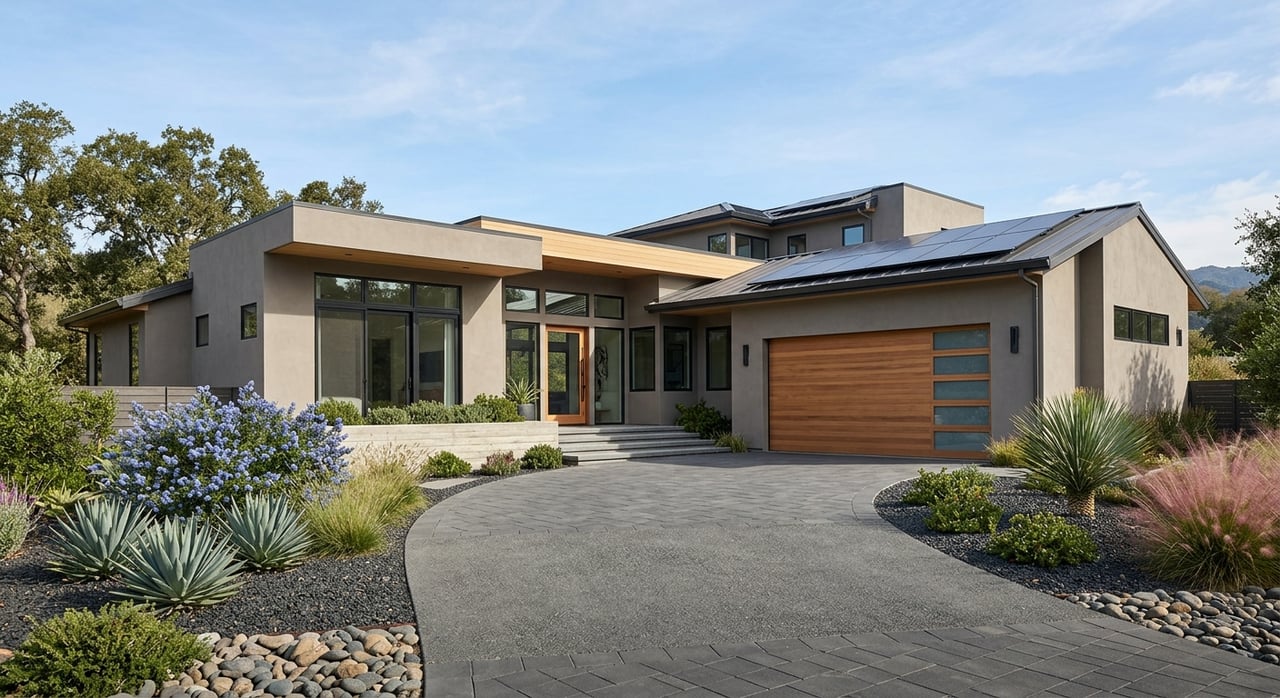
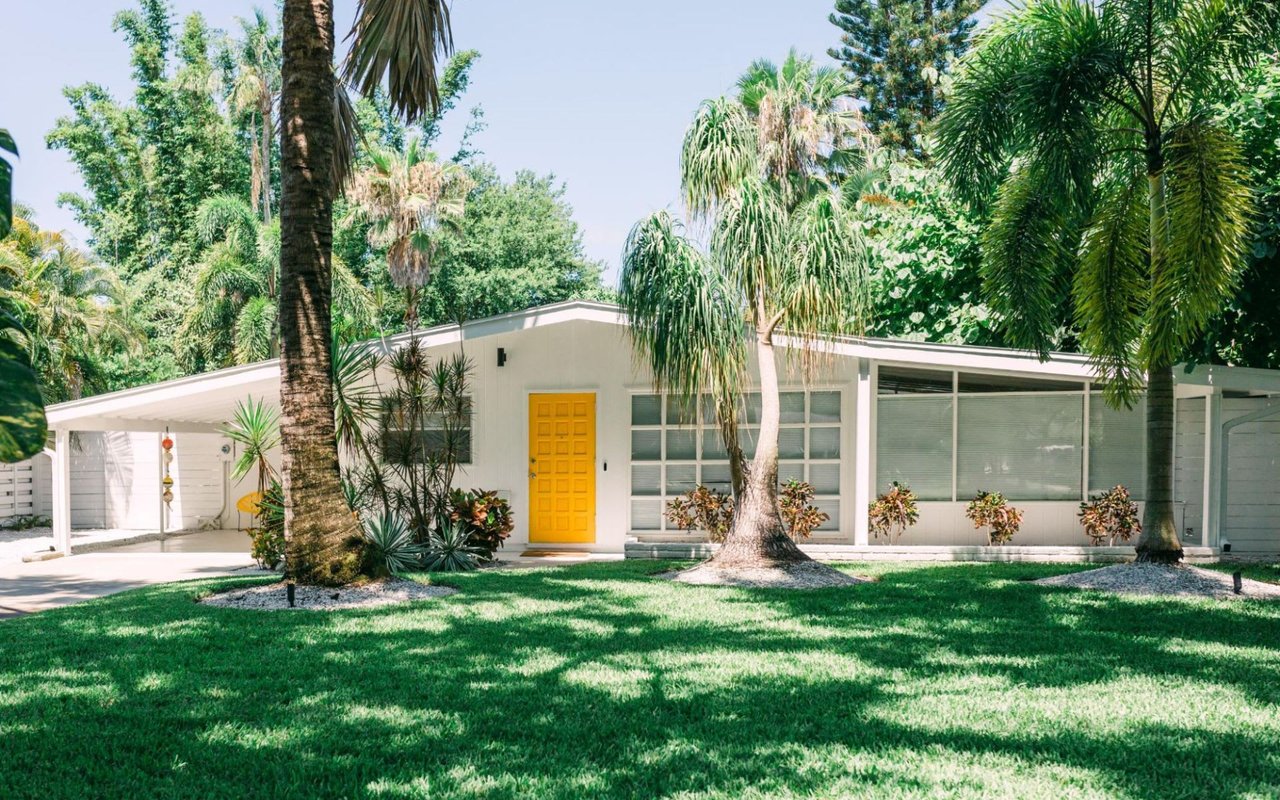
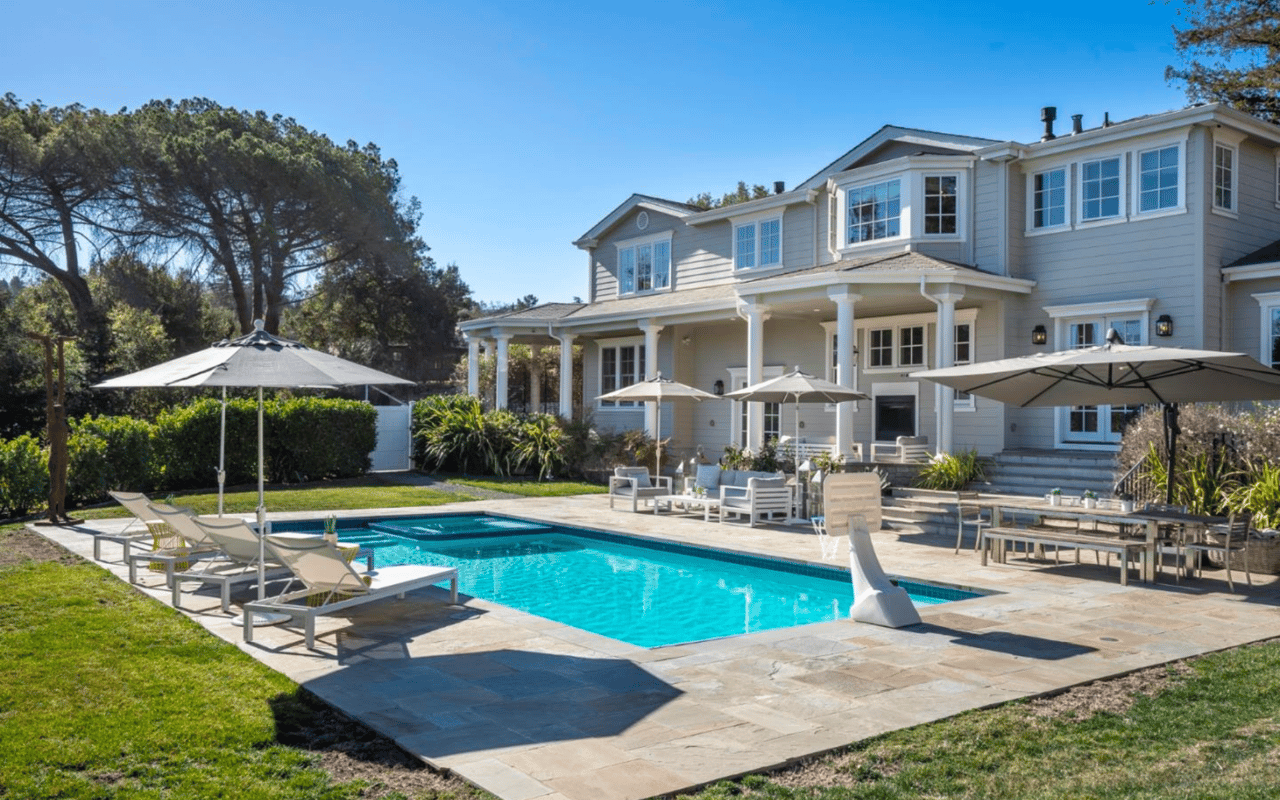
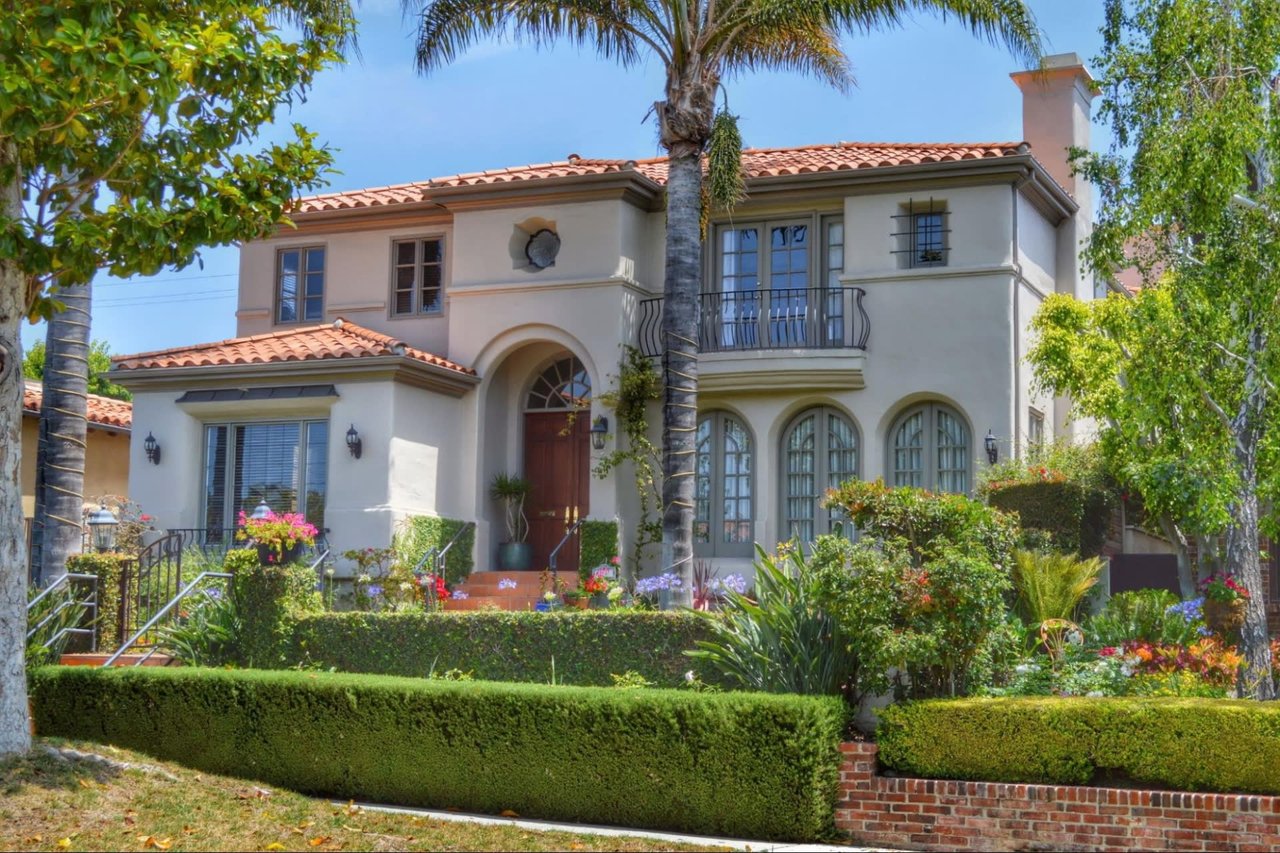
Most residential areas in Portola Valley are built around a single-household detached home as the primary use. The town’s land-use policies also reference accessory uses and structures commonly associated with rural residential living.
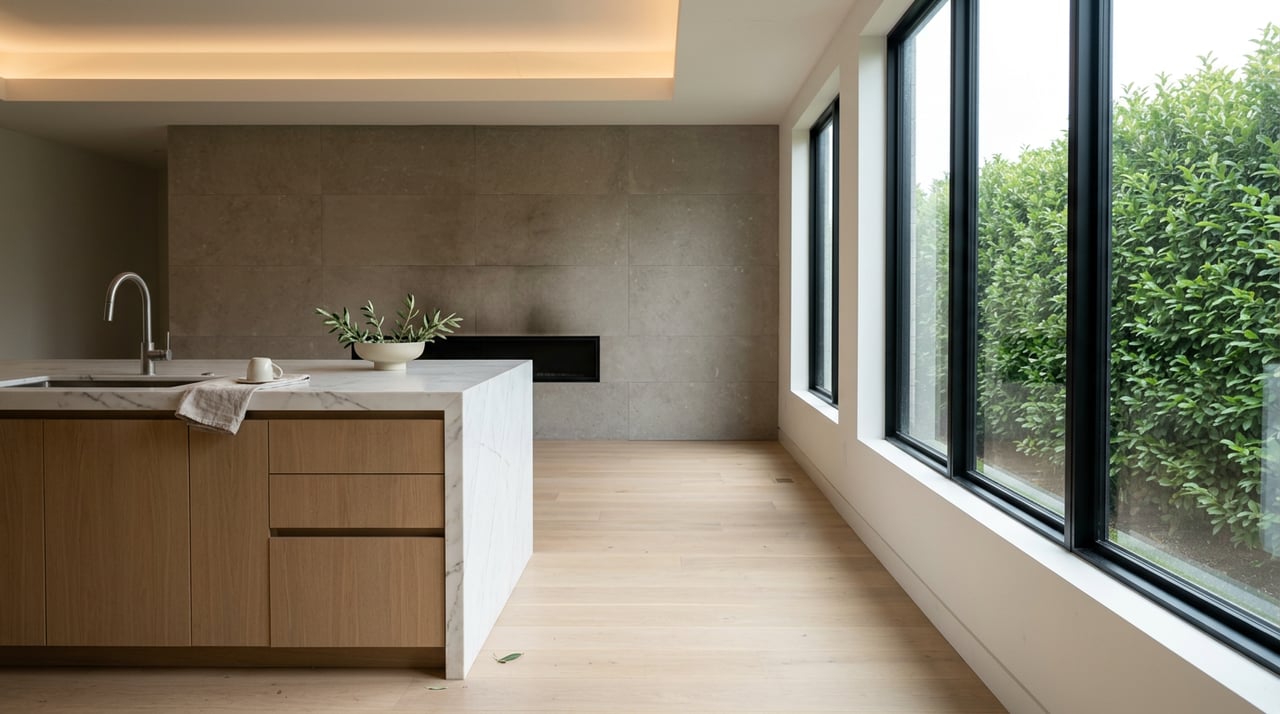
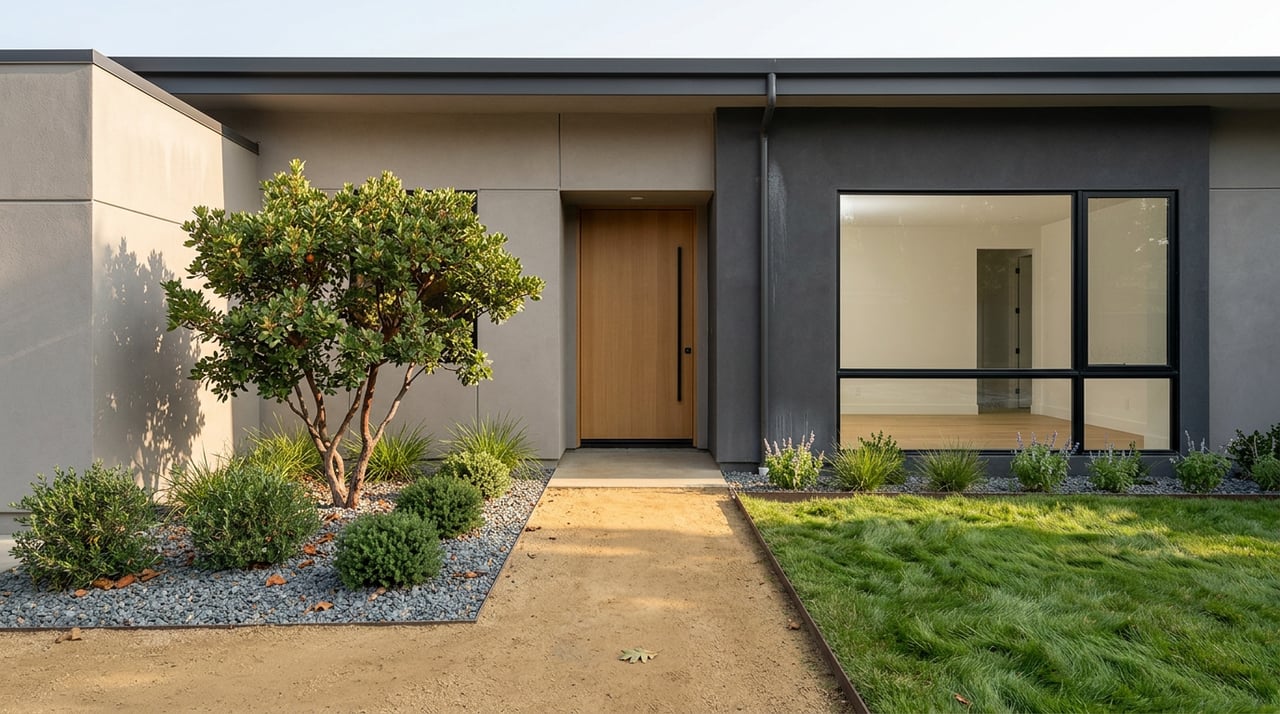
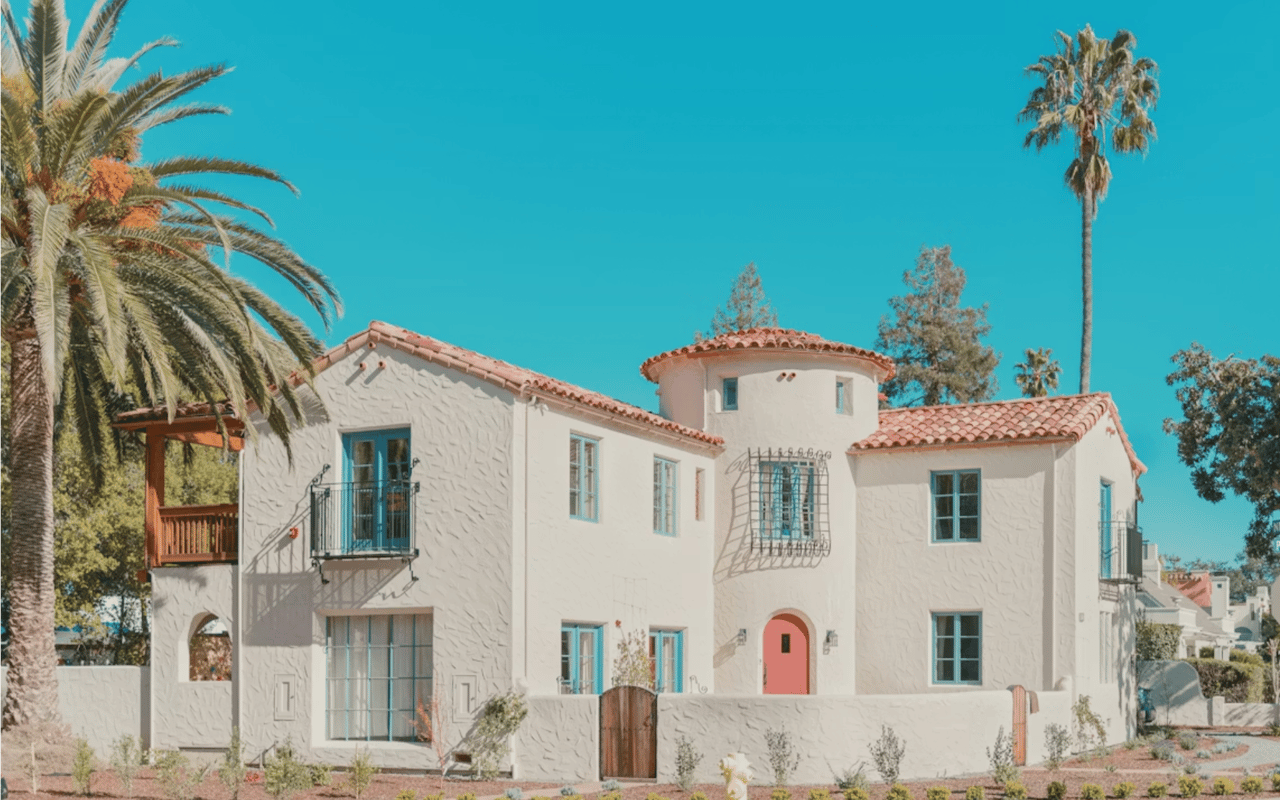
That creates a very different housing pattern from markets where attached housing or higher-density development is more common. If you are searching here, you will often be looking at homes where parcel size, topography, and landscape setting are just as important as square footage.
The town’s land-use element outlines very low residential intensities across much of Portola Valley. Low-density areas average about 1 to 2 acres per housing unit, conservation-residential areas average about 2 to 4 acres per housing unit, and open-residential areas can range from roughly 3 to 18 acres per housing unit depending on slope.
Those standards go a long way toward explaining why the town feels so private. They also help explain why two properties with similar address appeal can live very differently depending on their setting and site conditions.
Privacy comes with site-specific rules
In Portola Valley, privacy is closely tied to the way the town regulates land use and building size. Allowed floor area and impervious surface area depend on parcel acreage, average slope, geology or flood classification, and zoning district.
That means the usable potential of a property is highly site specific. A lot may look expansive on paper, but slope, access, and environmental constraints can shape what can actually be built and how the home sits on the site.
The town also requires at least two covered parking spaces for properties. For buyers evaluating remodel potential, replacement plans, or future expansion, these details are not secondary. They are central to the decision.
ADUs and rental rules
Accessory dwelling units are allowed in Portola Valley, and the town says there is no minimum lot size requirement for an ADU. That can create flexibility for owners who want additional living space or a separate use on the property.
At the same time, some parcels face added fire-safety and geologic restrictions related to ingress and egress, road width, slope, and fault or landslide conditions. The town also prohibits rentals shorter than 30 days.
For that reason, it is important to evaluate each property on its own merits rather than assume broad flexibility. In Portola Valley, the details of the site matter.
What the town center feels like
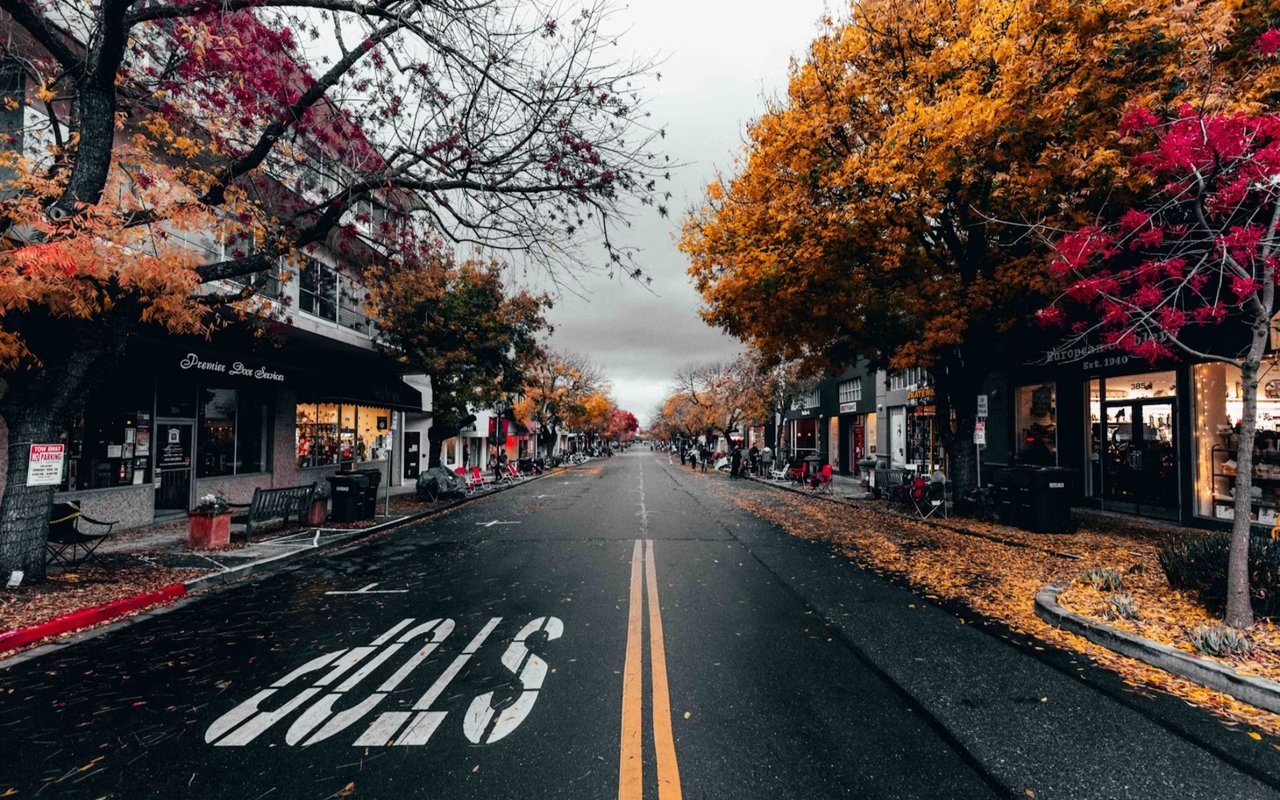
If you are expecting a traditional downtown, Portola Valley may feel different from what you picture. The town’s official description of Town Center emphasizes civic and recreation functions rather than a conventional retail core.
Opened in 2008, Town Center includes a county library, Community Hall, playing fields, Town Hall, maintenance facilities, sheriff’s offices, and the Historic Schoolhouse for Council and committee meetings. That gives the community a civic-campus feel instead of a dense commercial center.
For residents, this often means daily life revolves more around home, trails, school connections, and community facilities than around a bustling main street pattern. It is a quieter, more residential way of living.
Practical things to know before you move
Portola Valley offers a setting that many buyers find deeply appealing, but it also asks you to be thoughtful about the land. The town’s General Plan includes a Noise Element meant to preserve tranquility consistent with its rural character.
That quiet is part of the lifestyle, but ownership here also comes with practical awareness. Slope, road configuration, geotechnical conditions, and wildfire access can all play a role in how a property functions and what improvements may be feasible.
This is one reason local guidance matters so much in Portola Valley. A home here is not only about architecture and finishes. It is also about terrain, vegetation, access, and how the property fits within the town’s larger planning framework.
Who Portola Valley may suit best
Portola Valley often appeals to buyers who want room to breathe and a more private residential setting on the Peninsula. If you value trail access, preserved landscape, and a home environment shaped by open space rather than density, the town can be a compelling fit.
It can also suit buyers who appreciate that privacy and beauty are tied to stewardship. The same features that make the town feel special often require more care in evaluating parcels, future plans, and the realities of site-sensitive ownership.
If you are comparing Portola Valley with nearby communities, it helps to look beyond commute times and home size. The more meaningful question is often how you want your home to feel day to day, and how closely you want nature and privacy woven into that experience.
Portola Valley rewards that kind of careful match. If you are considering a move, the right guidance can help you understand not just what is available, but how each property lives within this uniquely protected landscape.
If you are exploring Portola Valley or preparing to make a move on the Peninsula, the Campi Group offers thoughtful, high-touch guidance shaped by deep local knowledge, discretion, and a refined understanding of lifestyle-driven real estate.
FAQs
What is daily life like in Portola Valley?
- Daily life in Portola Valley often centers on home, trails, open space, and Town Center rather than a dense commercial downtown.
What kinds of homes are typical in Portola Valley?
- Portola Valley is primarily made up of detached single-family homes on larger parcels, often in a more rural residential setting.
Why does Portola Valley feel so private?
- The town’s planning policies favor low-intensity development, larger lots, open-space preservation, and building patterns that fit the natural terrain.
How important are trails in Portola Valley?
- Trails are a major part of the town’s identity, and the town says it has nearly the same number of trail miles as road miles.
Does Portola Valley have a traditional downtown?
- Portola Valley is organized more around its civic-focused Town Center than a conventional retail downtown.
What should buyers know about building or expanding in Portola Valley?
- Building potential can depend on parcel acreage, slope, geology, flood classification, zoning, access, and other site-specific constraints.