Wondering whether Sunnyvale gives you the right balance of price, housing options, and convenience, or whether a nearby Silicon Valley city may fit better? If you are comparing communities in this part of the Peninsula, the answer is rarely just about the median price. You also need to think about the kind of home you want, how you like to move through your day, and what sort of setting feels most natural to you. Let’s dive in.
Sunnyvale in the Silicon Valley mix
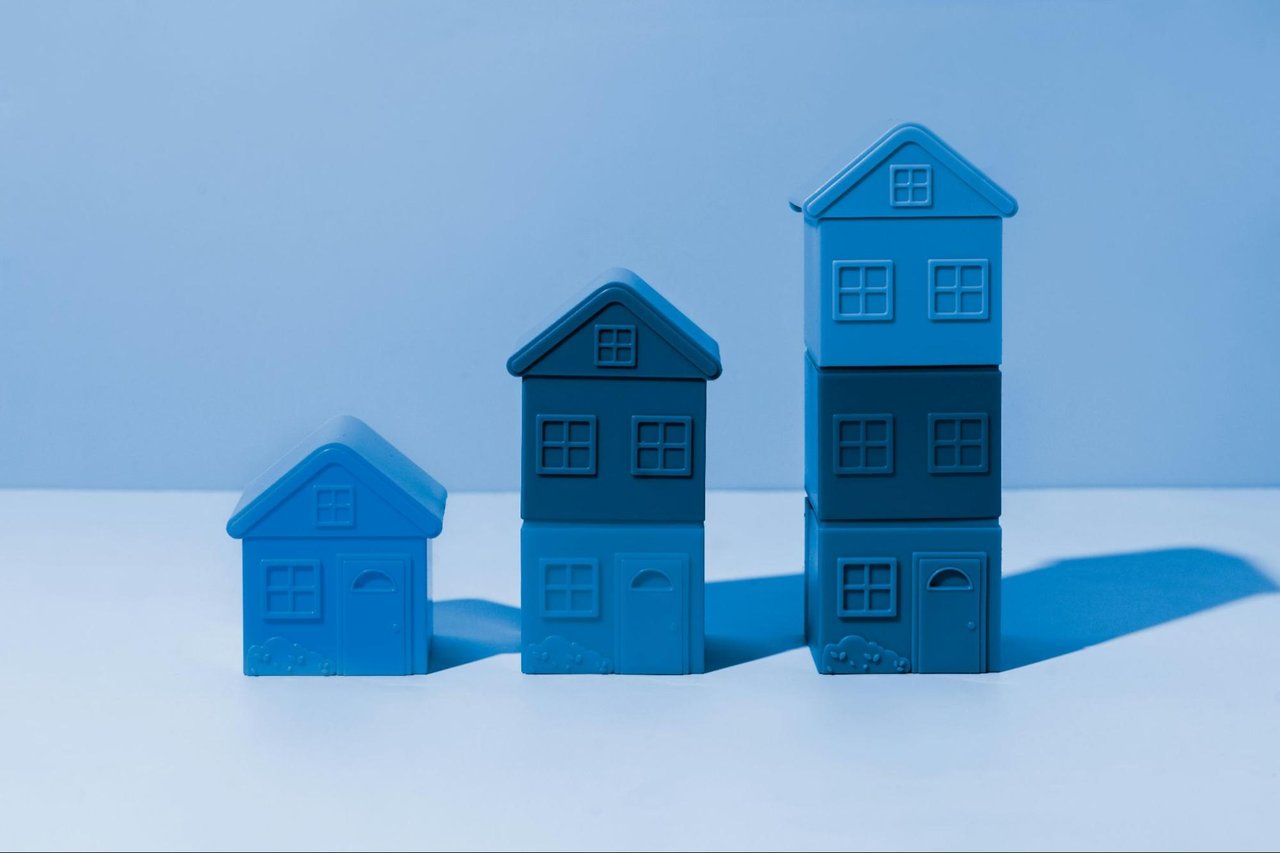
Sunnyvale sits in a middle position among several well-known Silicon Valley cities. In March 2026, median sale prices were about $1.6 million in Santa Clara, $1.8 million in Sunnyvale, $2.0 million in Mountain View, and $3.5 million in Palo Alto.
That makes Sunnyvale a practical middle-ground choice. It is not the lowest-priced option in this group, but it is meaningfully below Palo Alto and usually a bit below Mountain View while still offering a very central Silicon Valley location.
Comparing home prices by city
For many buyers, price is the first filter. While every neighborhood and property type can vary, the current price ladder gives you a useful starting point.
City | Median Sale Price | General Position |
|---|---|---|
Santa Clara | $1.6M | Most accessible in this group |
Sunnyvale | $1.8M | Middle-ground option |
Mountain View | $2.0M | Slightly above Sunnyvale |
Palo Alto | $3.5M | Premium tier |
If you are trying to stay in the core Valley without stepping into Palo Alto pricing, Sunnyvale often stands out. It gives you a central location with a price point that can feel more approachable than the highest tier markets nearby.
Housing types in Sunnyvale and nearby cities
Price matters, but so does what your budget buys you. One of the biggest differences between these cities is the kind of housing stock each one tends to offer.
Sunnyvale offers a mixed inventory
Sunnyvale has a more varied housing mix than many buyers expect. According to the city’s 2023 to 2031 Housing Element, multifamily housing made up 48 percent of the housing stock as of 2020, and the city also had 13 mobile home parks with 3,862 mobile homes.
That mix matters if you want options. Depending on your goals, Sunnyvale can offer a broader range of choices across detached homes, multifamily properties, and mobile homes than buyers sometimes assume at first glance.
Santa Clara leans suburban with multifamily options
Santa Clara also has a strong multifamily presence. Its 2023 to 2031 Housing Element update says that in 2020, 55 percent of the housing stock was multifamily and 40 percent was single-family.
At the same time, the city still maintains a substantial low-density residential pattern. For buyers, that can translate into a suburban setting with a meaningful mix of housing types and a lower median price than Sunnyvale.
Mountain View is more multifamily oriented
Mountain View has the strongest multifamily tilt among these four cities. In 2020, its housing stock was described as 29.1 percent detached single-family, 12.6 percent attached single-family, 8.4 percent 2 to 4 unit buildings, 47.0 percent 5+ unit multifamily, and 2.9 percent mobile homes.
If you are looking for a city where attached housing and larger multifamily buildings are a major part of the landscape, Mountain View may feel like a more natural fit. That can be especially relevant if your home search includes condos, townhomes, or other lower-maintenance options.
Palo Alto is the most single-family focused
Palo Alto remains the most single-family oriented city in this comparison. Its 2023 to 2031 Housing Element says that in 2020, the city’s stock was 56.6 percent detached single-family, 4.2 percent attached single-family, 6.6 percent 2 to 4 unit multifamily, 32.3 percent 5+ unit multifamily, and 0.3 percent mobile homes.
That helps explain why Palo Alto often feels more centered on established residential neighborhoods and detached homes. It also helps explain why pricing sits in a different tier.
How each city feels day to day
Once you narrow your budget and housing type, lifestyle becomes the next big factor. These cities each offer a distinct rhythm.
Sunnyvale feels balanced and connected
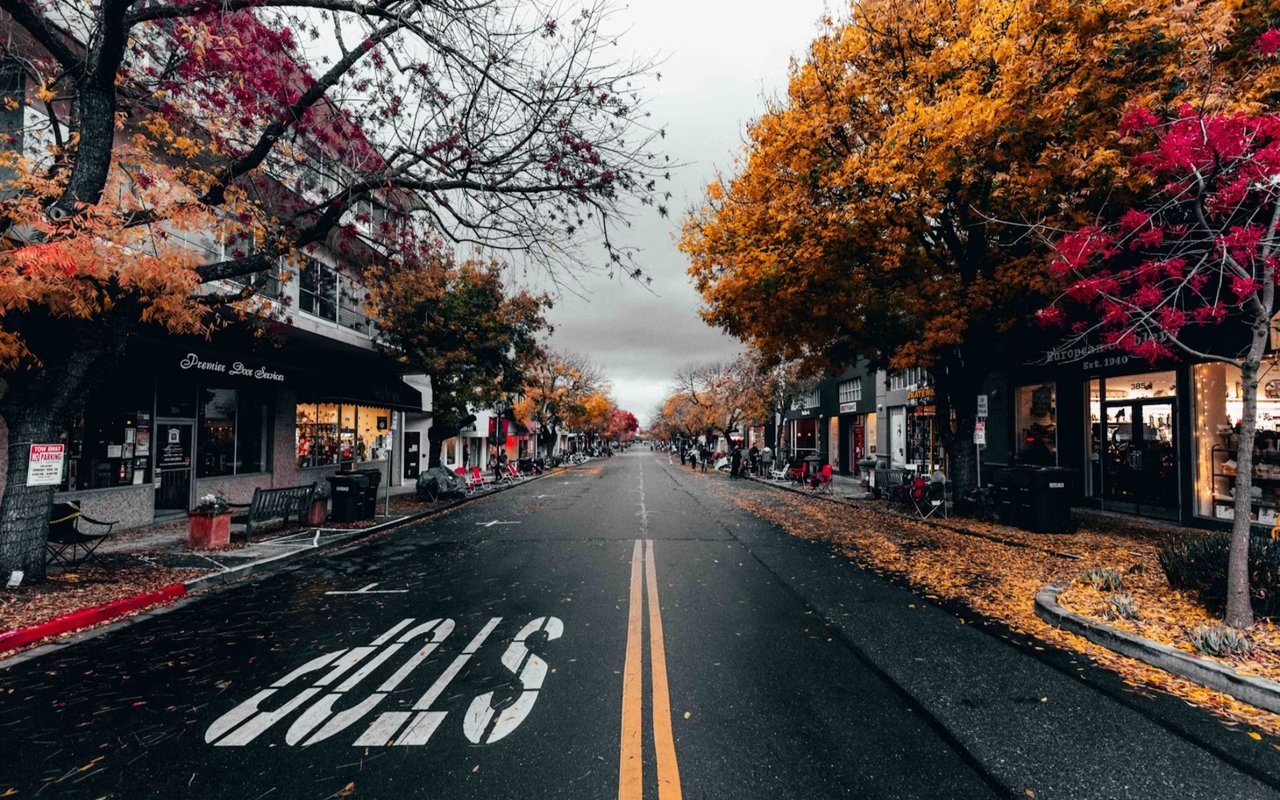
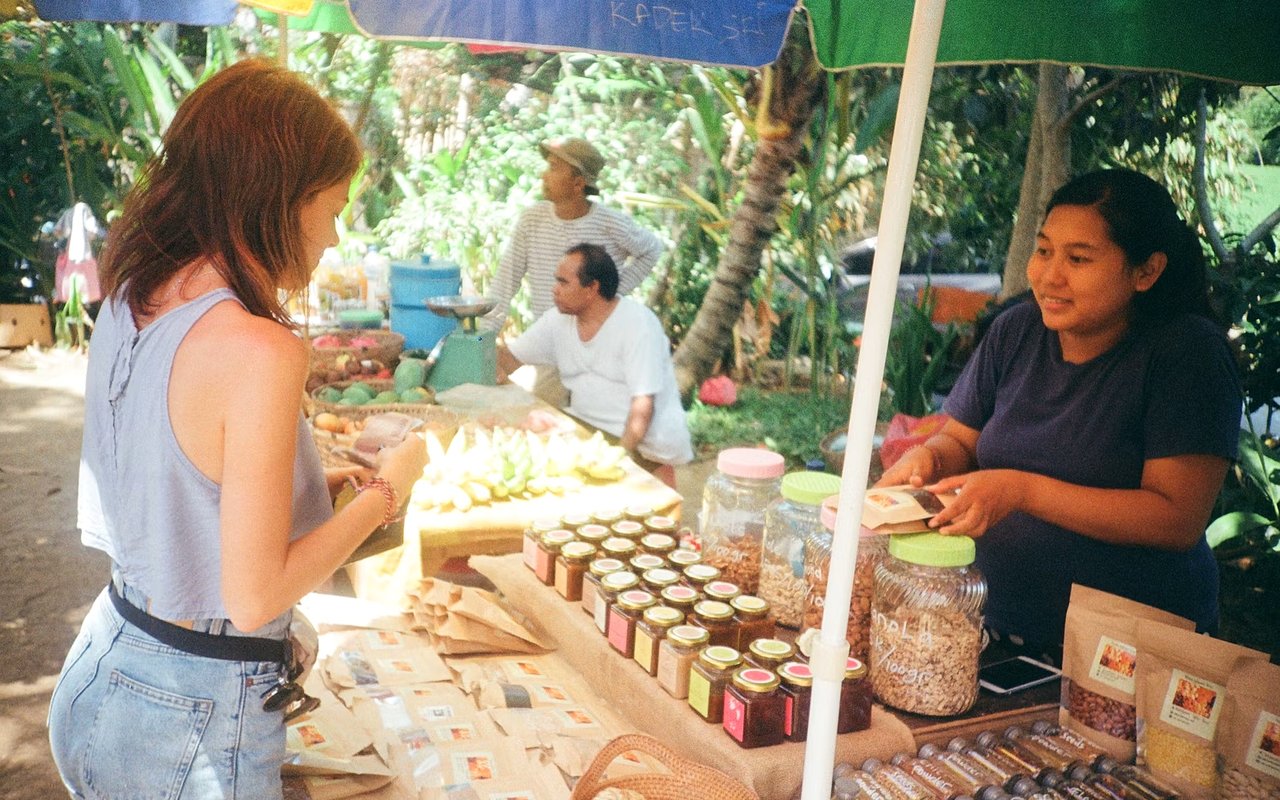
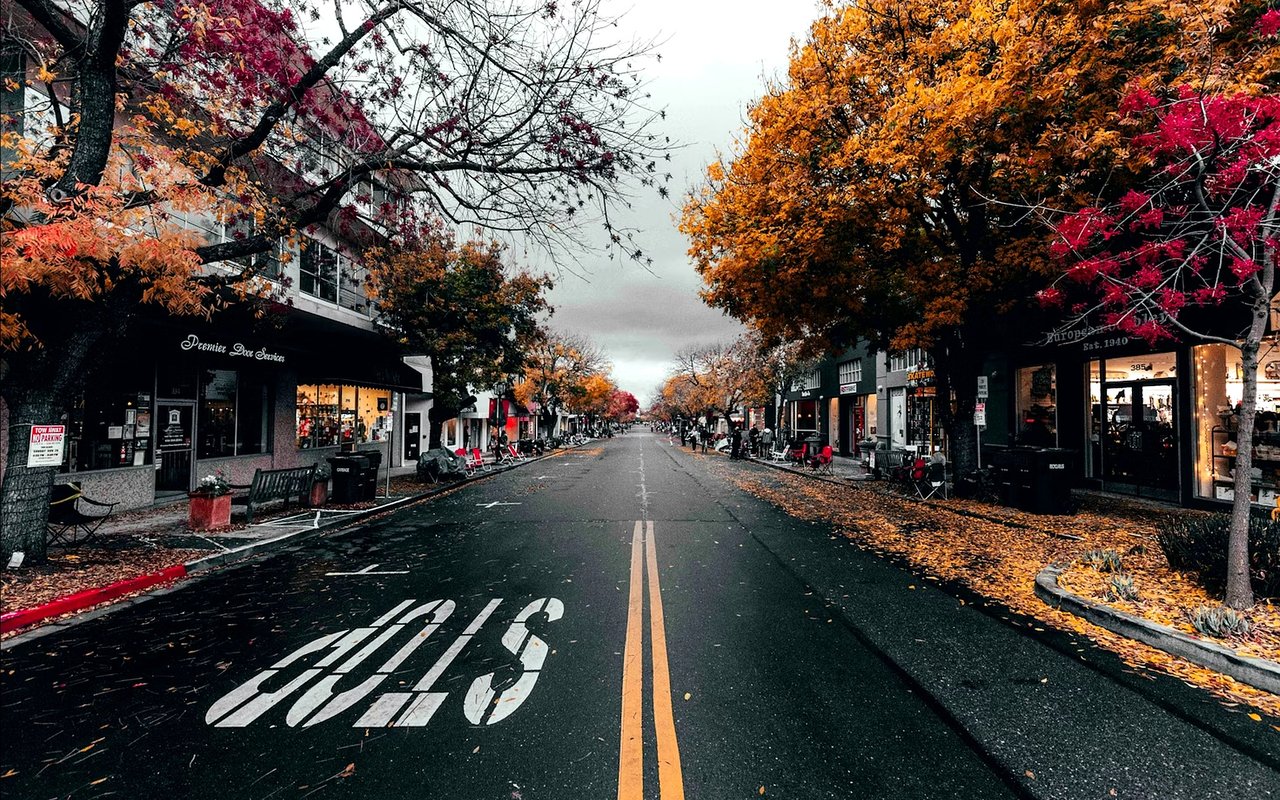
Sunnyvale offers a transit-oriented core with a fairly balanced residential feel. The city describes its historic downtown as a place with local eateries, merchants, festivals, concerts, and a year-round farmers’ market.
The downtown development area is mixed-use, and the city has Caltrain and VTA connectivity near the downtown station area. Sunnyvale has also focused on making it easier to walk and bike to the Sunnyvale Caltrain Station, which adds to its connected but still grounded feel.
Mountain View feels more urban and walkable
Mountain View has the clearest walkable, urban-feeling core of the group. The city says its Downtown Transit Center is served by Caltrain, VTA light rail, VTA bus, the community shuttle, and MVgo shuttles, with convenient access to major roads including U.S. 101, State Route 85, State Route 237, El Camino Real, and Central Expressway.
Its downtown is described as a mixed-use, walkable city center with restaurants, shopping, and performing arts near transit. If your top priority is a downtown experience with strong transit access, Mountain View often rises to the top of the list.
Santa Clara feels more suburban overall
Santa Clara offers rail access without the same downtown intensity as Mountain View or Palo Alto. The Santa Clara Transit Station is served by Caltrain, ACE, and VTA bus service, and the city also offers local mobility services such as SV Hopper.
Its downtown plan aims to create a pedestrian-oriented destination with a mix of residential, office, and civic uses. In practice, that gives Santa Clara a suburban-to-transit hybrid feel that may appeal to buyers who want access without a more urban core.
Palo Alto feels established and premium
Palo Alto describes itself as a suburban residential community with a vibrant economy, historic residential neighborhoods, parks, trails, and shopping and retail districts. Its Transit Center is a major regional hub served by five transit providers, and Caltrain has two stops in the city.
For buyers, that combination often reads as polished, established, and highly connected. It is a distinctive market, but it comes with a much higher pricing threshold.
When Sunnyvale may be the right choice
Sunnyvale is often the strongest fit when you want a central Silicon Valley address, a middle-of-the-road price position, and a mix of housing options. It can work especially well if you want to stay close to major tech corridors and rail access without moving into Palo Alto’s price tier.
It also makes sense if you want a city that feels connected but not overly urban. Compared with Mountain View, Sunnyvale can feel more balanced. Compared with Santa Clara, it may offer a slightly more central middle-ground experience. Compared with Palo Alto, it can provide meaningful pricing relief.
When another city may fit better
Sometimes the right answer is not Sunnyvale, and that is just as important to recognize early.
Choose Santa Clara if value is the priority
If your first priority is stretching your budget, Santa Clara may be the better fit. Its median sale price of about $1.6 million places it below Sunnyvale while still offering both multifamily and single-family housing options.
Choose Mountain View if walkability leads
If you want a more urban, walkable downtown and a housing landscape with a stronger concentration of multifamily and attached homes, Mountain View may align better with your goals. It tends to appeal to buyers who want daily convenience tied closely to transit and downtown activity.
Choose Palo Alto if premium single-family living is the goal
If you are specifically looking for a predominantly single-family, historic, and premium market, Palo Alto is the clearest match in this group. It offers a strong transit hub and a distinct residential identity, but buyers need to be ready for pricing at a much higher level.
A simple way to decide
If you want the short version, the comparison is fairly straightforward:
- Sunnyvale is the balanced choice
- Santa Clara is the value-and-suburban choice
- Mountain View is the walkable-core choice
- Palo Alto is the premium single-family choice
That framework can help you narrow your search faster. From there, the best move is to look at the specific housing type, budget range, and daily lifestyle that matter most to you.
Buying in Silicon Valley is rarely about finding a single “best” city. It is about finding the city that best matches the way you want to live, commute, and invest. If you are weighing Sunnyvale against nearby markets, a thoughtful side-by-side approach can save you time and help you focus on the right opportunities from the start.
If you are considering a move in Sunnyvale or nearby Silicon Valley cities, Campi Group can help you compare neighborhoods, property types, and market positioning with the thoughtful, high-touch guidance this decision deserves.
FAQs
How does Sunnyvale home pricing compare with nearby Silicon Valley cities?
- Sunnyvale sits in the middle of this group, with a March 2026 median sale price of about $1.8 million, compared with $1.6 million in Santa Clara, $2.0 million in Mountain View, and $3.5 million in Palo Alto.
What kind of housing stock does Sunnyvale offer buyers?
- Sunnyvale has a mixed housing inventory. As of 2020, multifamily housing made up 48 percent of the city’s housing stock, and the city also had a substantial mobile-home presence.
Is Sunnyvale more suburban or urban for homebuyers?
- Sunnyvale offers a balanced feel. Its downtown area is mixed-use and connected to Caltrain and VTA, while the broader city still maintains a more residential day-to-day character than a more urban core like Mountain View.
Which city is better for walkability near Sunnyvale?
- Among these cities, Mountain View has the strongest walkable, urban-feeling downtown core, with a transit center served by multiple local and regional transportation options.
Is Santa Clara cheaper than Sunnyvale for buyers?
- Yes. Based on March 2026 median sale prices in the research, Santa Clara was about $1.6 million compared with about $1.8 million in Sunnyvale.
Why do some buyers choose Palo Alto over Sunnyvale?
- Buyers may choose Palo Alto if they want a more premium market with a higher share of detached single-family homes, historic residential areas, and a major regional transit hub, and are comfortable with higher pricing.